Whiskey Distillery Tours in Scotland A Complete Guide to Unforgettable Whisky Experiences
Whisky, often called the “water of life,” is deeply rooted in Scotland’s history and culture. For centuries, Scottish distilleries have crafted some of the world’s most renowned whiskies, each with its own character, tradition, and story. Today, whiskey distillery tours in Scotland offer travelers a rare opportunity to immerse themselves in this rich heritage while enjoying unique tasting experiences. This guide explores everything you need to know about Scottish distillery tours, from cultural significance and benefits to real-world examples and use cases.
What Are Whiskey Distillery Tours in Scotland?
Whiskey distillery tours in Scotland are guided experiences that take visitors through the journey of Scotch whisky production. From malting barley and distilling spirits to aging them in oak casks, these tours provide a behind-the-scenes look into the centuries-old process of whisky making.
Visitors also get to explore the traditions behind single malts, blended whiskies, and regional specialties. More than just tastings, these tours emphasize storytelling-each distillery has a narrative tied to its origins, location, and craftsmanship. For whisky lovers and cultural travelers, distillery tours are an essential part of experiencing Scotland.
Why Whiskey Distillery Tours Are Popular in Scotland
Scotland is the birthplace of Scotch whisky, and this reputation draws enthusiasts from around the world. The appeal lies not only in tasting world-class spirits but also in connecting with Scotland’s landscapes, traditions, and people. Touring a distillery allows visitors to step into history while discovering modern innovations in whisky making.
The tours also provide an educational component, giving visitors the knowledge to better appreciate the differences between Islay’s peaty whiskies, Speyside’s smooth malts, and the Highlands’ bold expressions. This blend of culture, learning, and flavor makes distillery tours a must-do in Scotland.
Benefits of Whiskey Distillery Tours
Cultural Immersion
Whiskey distillery tours in Scotland are more than tastings; they are cultural experiences. Distilleries are often located in regions rich with history, folklore, and tradition. By visiting these places, travelers gain insight into Scotland’s identity and heritage.
From Gaelic names on bottles to centuries-old family recipes, distillery tours immerse participants in authentic Scottish culture. Many distilleries are housed in historic buildings, adding architectural and historical value to the experience.
Educational Value
A key benefit of these tours is education. Visitors learn the science and art behind whisky production, from fermentation to barrel aging. Guides often explain how climate, water sources, and wood casks influence flavor. This transforms whisky from just a drink into a deeper appreciation of craftsmanship.
By the end of the tour, participants can distinguish tasting notes like peat, smoke, honey, or oak, making them more informed consumers and enthusiasts.
Social and Recreational Experience
Whiskey distillery tours also offer a social element. Whether traveling solo, as a couple, or in groups, visitors often connect with fellow enthusiasts during tastings. The shared experience of sampling rare whiskies fosters conversation, laughter, and memories, making the tours highly enjoyable and recreational.
Real-World Examples of Whiskey Distillery Tours in Scotland
1. The Macallan Distillery, Speyside
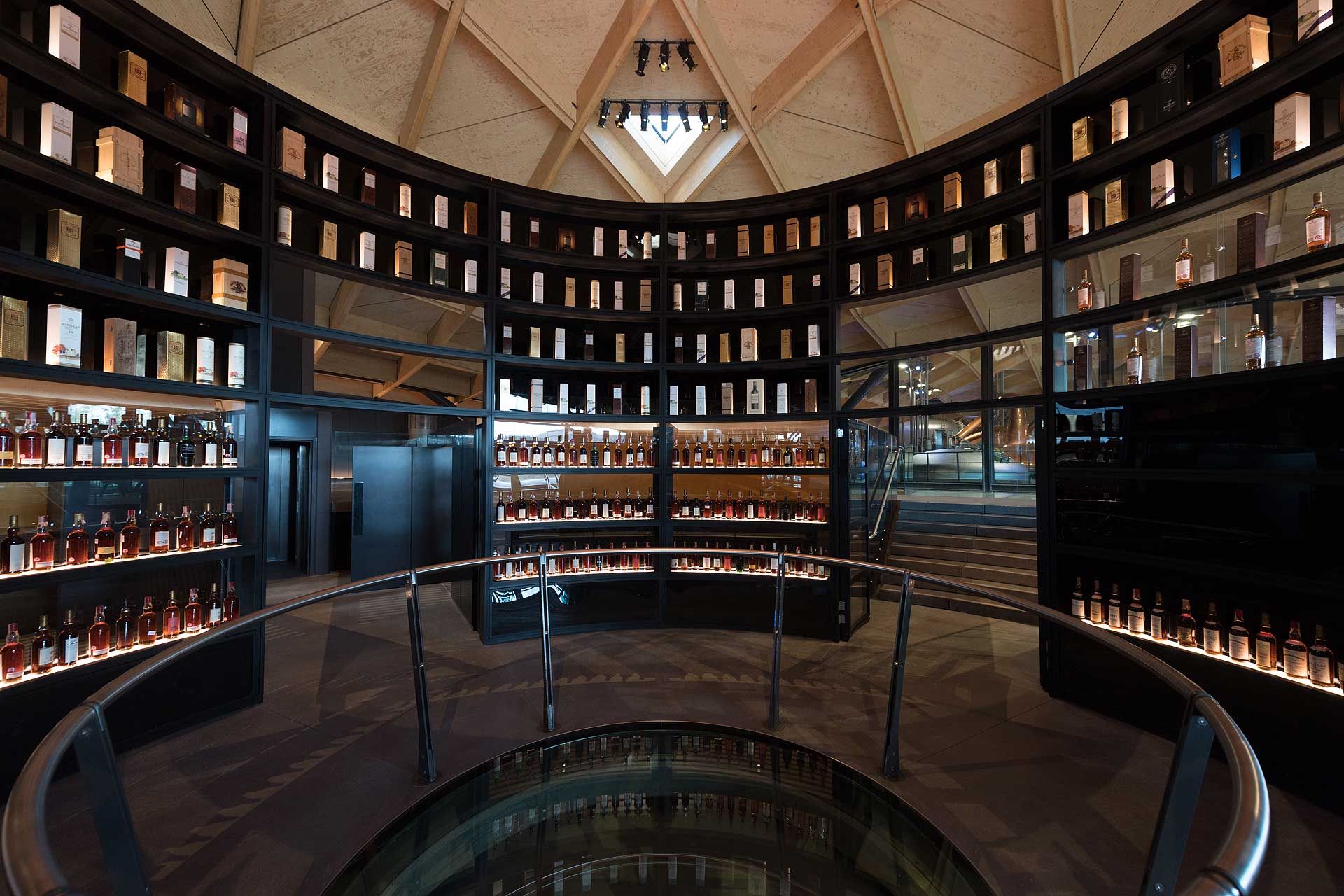
The Macallan is one of the most prestigious whisky brands in the world, and its distillery in Speyside offers a luxurious tour experience. Visitors are guided through futuristic architecture that blends with the natural landscape, showcasing the fusion of tradition and modern design.
The tour highlights The Macallan’s emphasis on cask selection, which is central to their flavor profiles. Guests also enjoy tastings of different expressions, gaining insight into how aging and wood influence whisky character.
2. Laphroaig Distillery, Islay
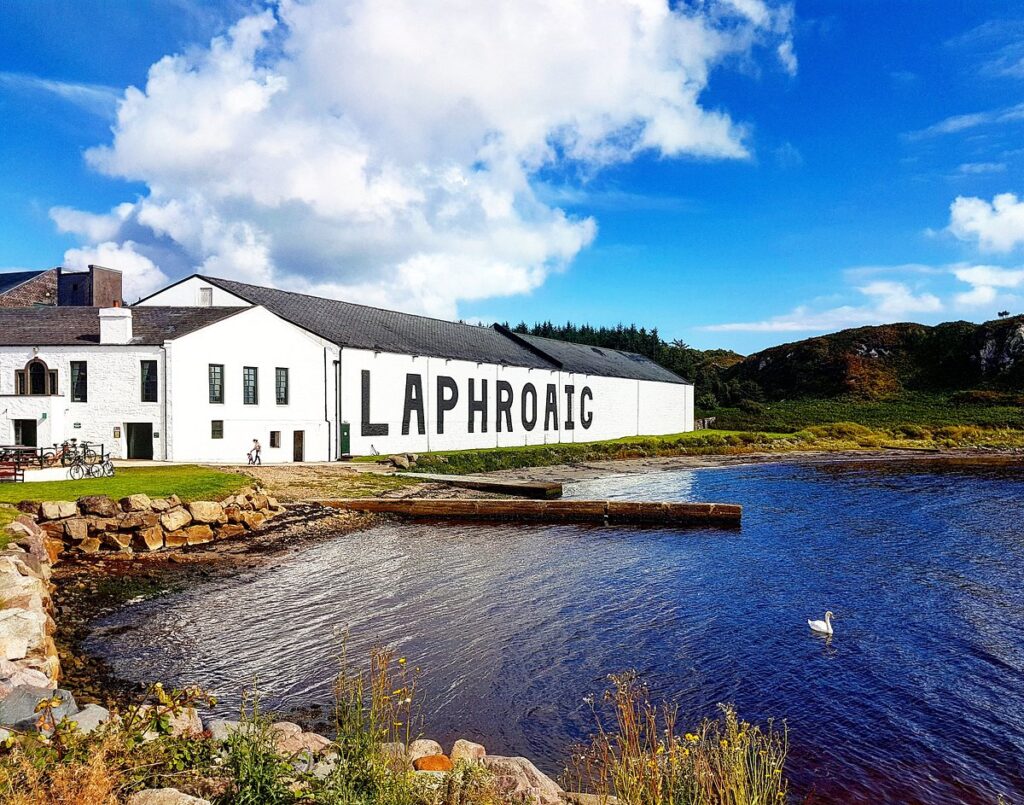
Located on the island of Islay, Laphroaig Distillery is famous for its intensely peaty whiskies. The distillery tour introduces visitors to traditional floor malting and peat-smoking methods still in use today.
What makes Laphroaig unique is its “Friends of Laphroaig” program, where visitors receive a small plot of land on Islay symbolically tied to their membership. This creates a personal bond between the brand and its loyal fans, making the tour unforgettable.
3. Glenfiddich Distillery, Dufftown
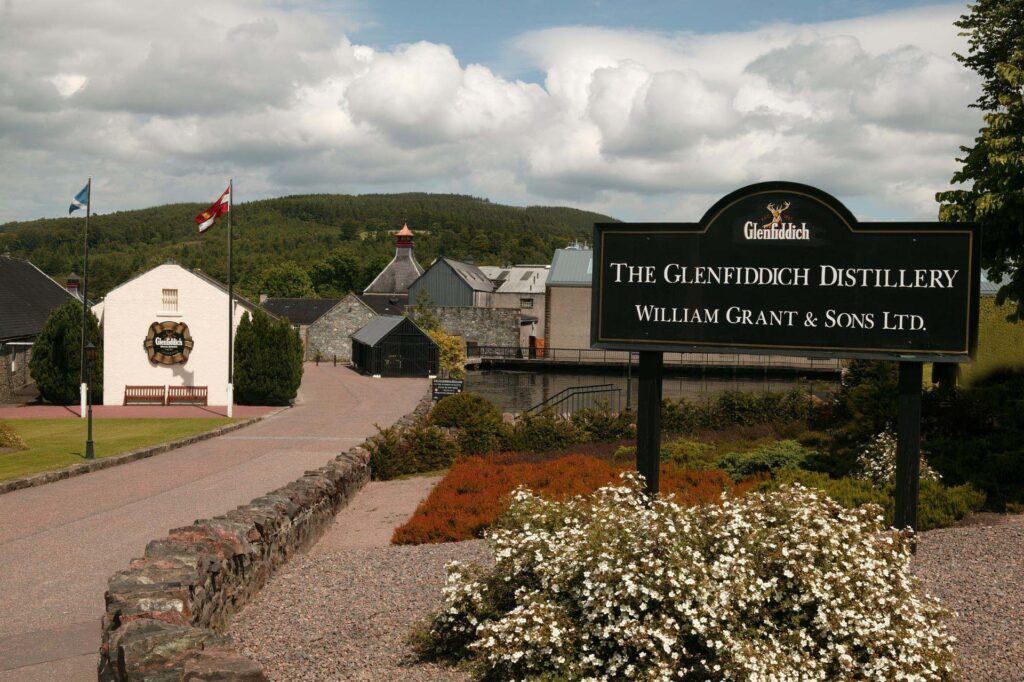
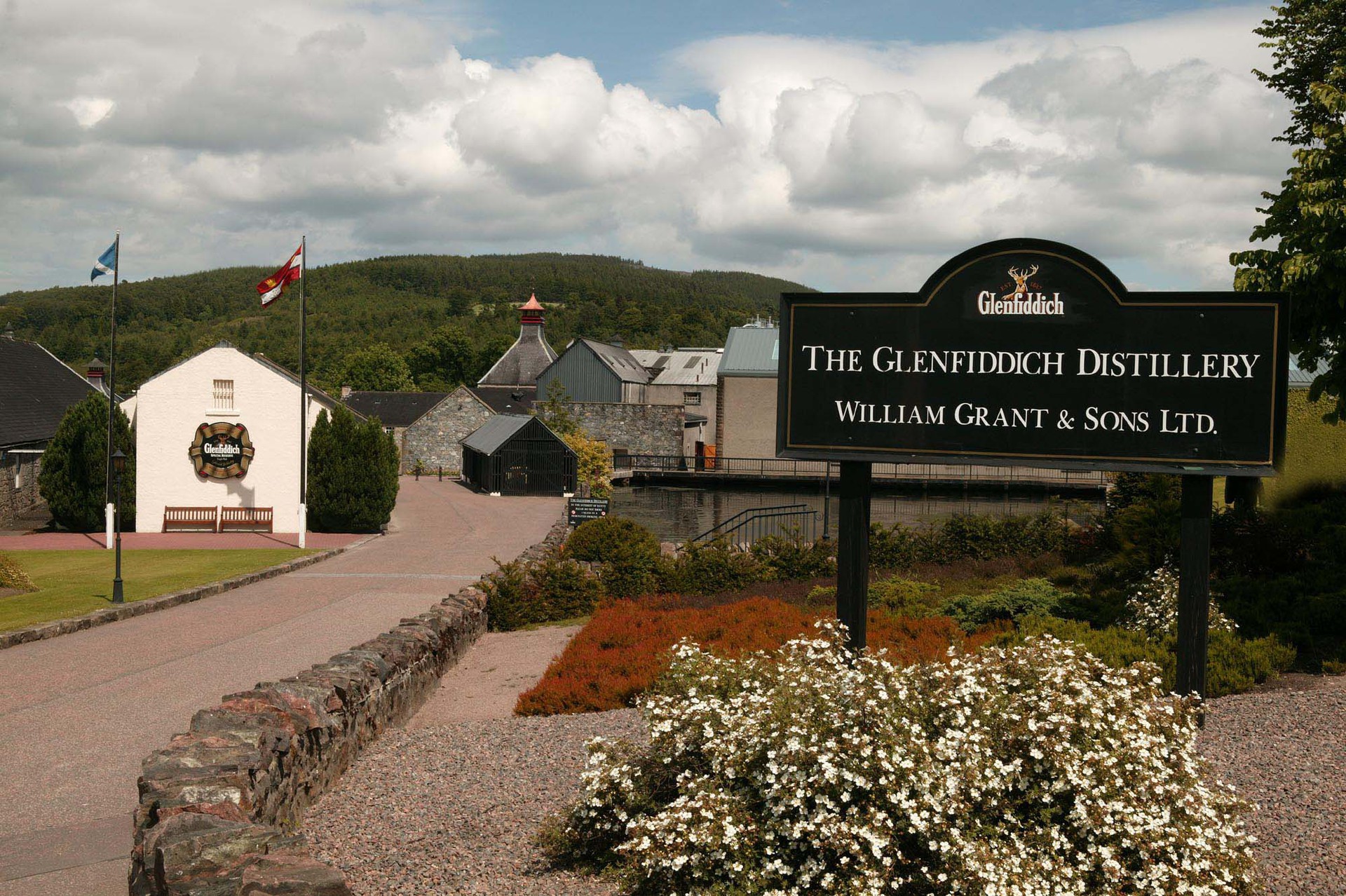
Glenfiddich, one of the world’s best-selling single malts, offers an immersive tour at its home in Dufftown. The experience covers everything from fermentation tanks to warehouses filled with aging casks.
The highlight is the tasting session, where visitors compare Glenfiddich’s younger whiskies to rare, decades-old expressions. This side-by-side tasting illustrates how time transforms whisky, creating a deeper appreciation for aged spirits.
4. Talisker Distillery, Isle of Skye
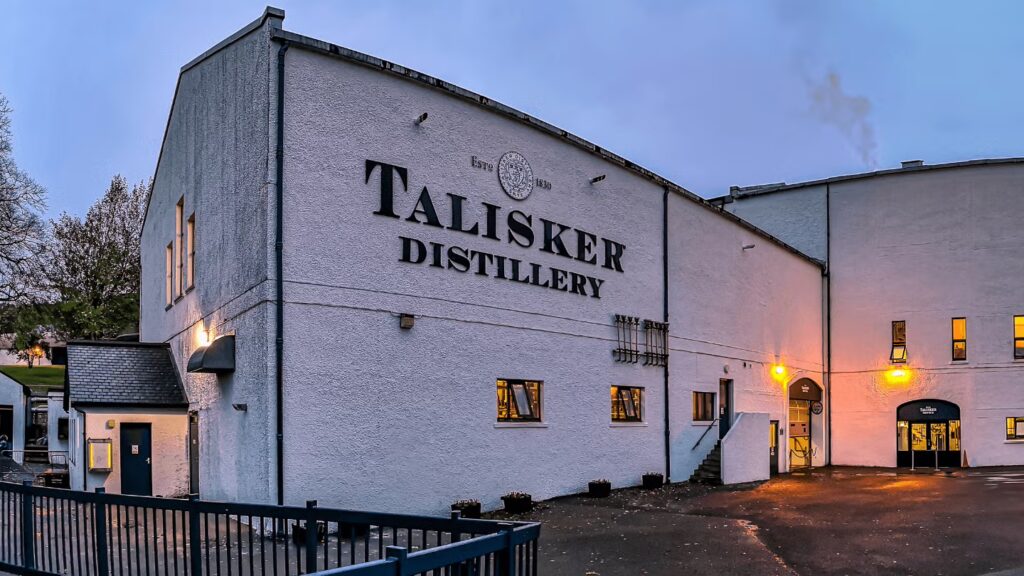
Talisker Distillery, situated on the rugged Isle of Skye, offers a unique tour that combines whisky with breathtaking natural beauty. The maritime environment strongly influences Talisker’s flavor, adding briny and smoky notes.
The distillery tour emphasizes the connection between location and taste, showing visitors how Skye’s climate and geography shape the whisky. For many, the experience of sipping Talisker while overlooking dramatic coastal views is unforgettable.
Use Cases of Whiskey Distillery Tours in Scotland
Enhancing Tourism Experiences
Whiskey distillery tours add depth to Scottish travel itineraries. Beyond sightseeing, they allow travelers to engage with local traditions and take home memories tied to authentic cultural experiences. This makes them especially popular among international visitors seeking immersive travel.
Team-Building and Corporate Retreats
Companies often book distillery tours for team-building or client entertainment. The combination of education, tasting, and cultural immersion provides a relaxed environment that fosters connection and shared experiences.
Education for Aspiring Distillers and Enthusiasts
For aspiring distillers or hobbyists, these tours provide valuable knowledge. Observing distillation equipment, cask management, and blending techniques offers hands-on learning that books or videos cannot replicate. This practical exposure helps deepen expertise and passion.
Technology in Whiskey Distillery Tours
While whisky making is rooted in tradition, technology plays an increasingly important role in distillery tours. Some distilleries use augmented reality (AR) to create interactive storytelling, allowing visitors to see historic figures or brewing steps through their devices.
Others employ digital tasting apps that guide visitors through flavor notes, helping them track preferences. In production, advanced monitoring systems ensure precision in temperature, fermentation, and cask conditions, which ultimately enhances whisky quality.
For visitors, technology makes tours more engaging and informative without compromising the authenticity of the experience.
Frequently Asked Questions
Q1. What is the best time of year to take a whiskey distillery tour in Scotland?
Spring and autumn are ideal times for distillery tours. The weather is generally pleasant, and distilleries are less crowded compared to peak summer months. However, tours are available year-round, each season offering unique scenery and atmosphere.
Q2. Do you need to be a whisky expert to enjoy these tours?
No expertise is required. Distillery tours are designed for all levels of interest. Beginners learn the basics of whisky making and tasting, while experts can deepen their knowledge of specific techniques and rare expressions.
Q3. Are whiskey distillery tours suitable for groups and families?
Yes, most tours welcome groups and are popular for special occasions or team-building. However, tastings are only available to adults of legal drinking age, so families with children may need to plan accordingly.