Top Wellness Tourism Destinations for Mind, Body, and Soul in 2025
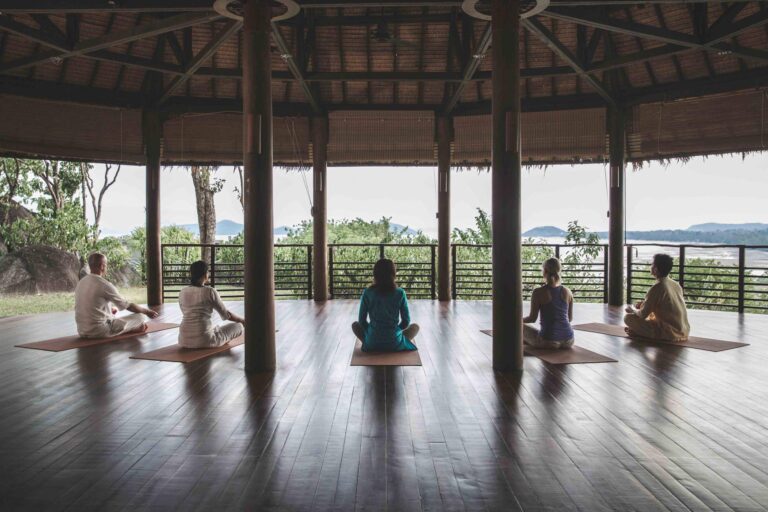
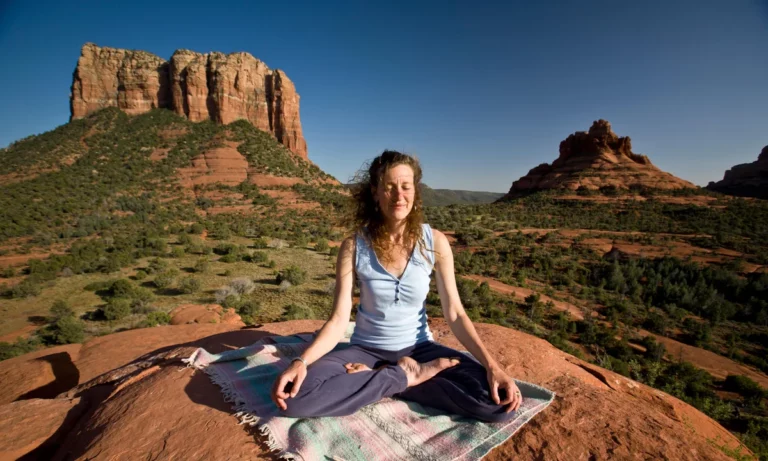
Wellness Tourism Destinations is a growing travel trend that combines leisure with health-oriented practices. Unlike traditional vacations that primarily focus on sightseeing and relaxation, wellness tourism emphasizes holistic well-being through activities such as yoga retreats, meditation programs, spa therapies, nature immersion, and cultural experiences. This type of travel caters to individuals who want to restore balance in their lives, reduce stress, and foster both physical and mental renewal.
The global demand for wellness tourism has expanded rapidly as travelers prioritize self-care. More destinations are now catering to this sector by offering tailored experiences that integrate local traditions, natural landscapes, and modern wellness practices. Whether through Ayurvedic treatments in India, thermal spa therapies in Europe, or mindfulness programs in Southeast Asia, wellness tourism provides a pathway to recharge and reconnect.
Why Wellness Tourism is Growing
One of the main drivers behind the rise of wellness tourism is the increasing awareness of lifestyle-related health issues. With higher stress levels, sedentary work habits, and the pressures of fast-paced living, many people seek vacations that allow them to recover both mentally and physically. These journeys are not just about escaping the daily grind but also about adopting healthier habits that can extend into everyday life.
Technology has also contributed to the sector’s growth. With fitness apps, meditation platforms, and health-tracking devices, people are more attuned to their wellness goals. Travelers can now track their health progress during retreats and integrate technology with destination experiences. This balance of ancient practices and modern innovations is one of the reasons wellness tourism continues to thrive.
Real-World Examples of Wellness Tourism Destinations
1. Bali, Indonesia
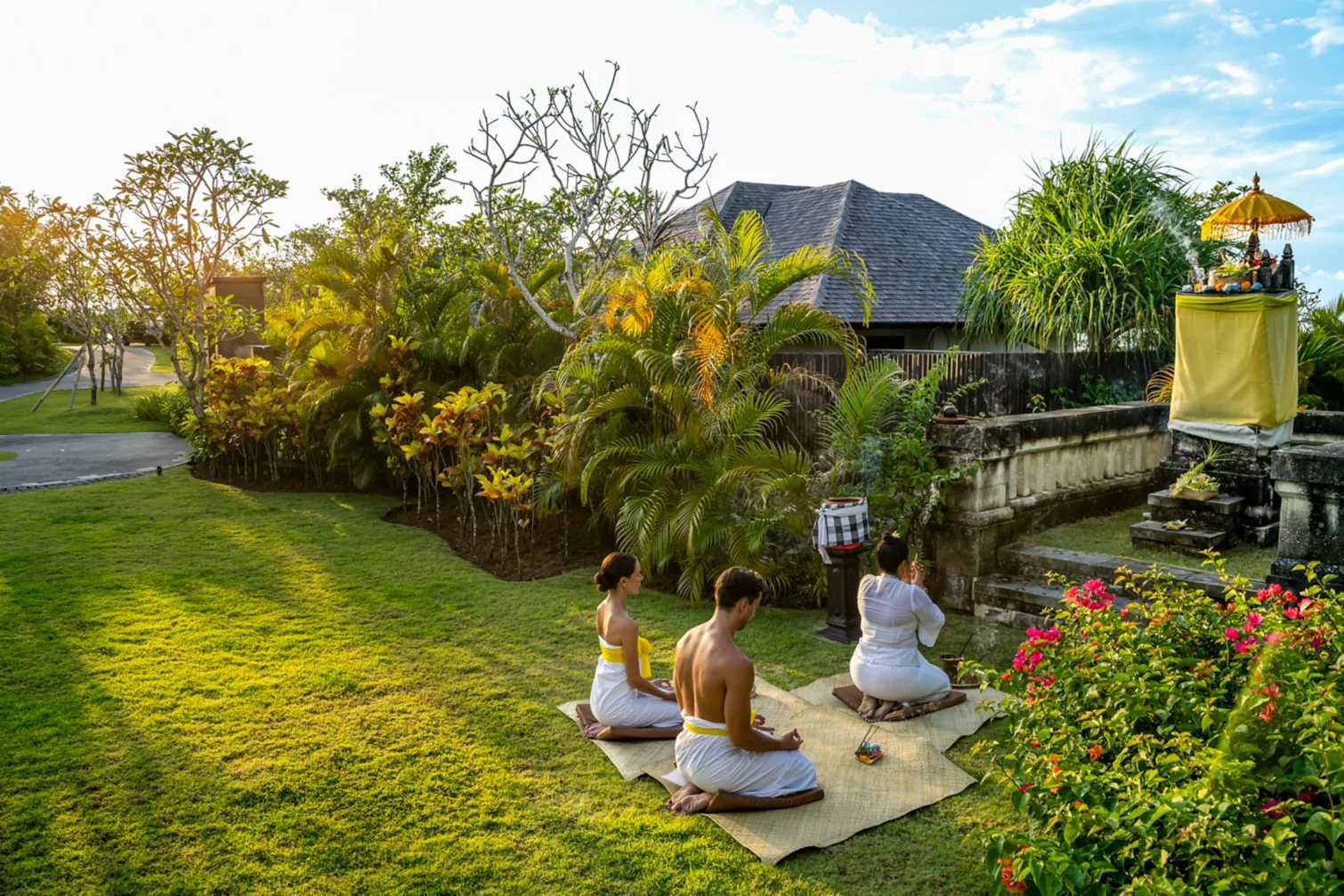
Bali has become one of the world’s most recognized wellness tourism destinations. Known for its serene landscapes, yoga retreats, and traditional Balinese healing therapies, Bali offers travelers an immersive environment to nurture body and mind. Ubud, often considered the wellness hub of Bali, features organic dining options, meditation centers, and eco-resorts that emphasize sustainability.
What makes Bali unique is the integration of spirituality into daily life. Visitors often engage in mindfulness practices, temple visits, and nature-based wellness experiences. This creates an environment where wellness is not just an activity but a lifestyle.
2. Kerala, India

Kerala is widely regarded as the birthplace of Ayurveda, a traditional Indian system of medicine and healing. Wellness seekers visit Kerala to undergo Ayurvedic treatments, detox programs, and therapeutic massages guided by centuries-old knowledge. The state’s lush backwaters and tropical surroundings enhance the healing experience, providing both mental peace and physical recovery.
Kerala’s holistic approach extends beyond physical therapies, with retreats often combining yoga, meditation, and Ayurvedic diets to encourage lifestyle transformation. This makes it an ideal destination for those looking for deep-rooted wellness traditions.
3. Costa Rica
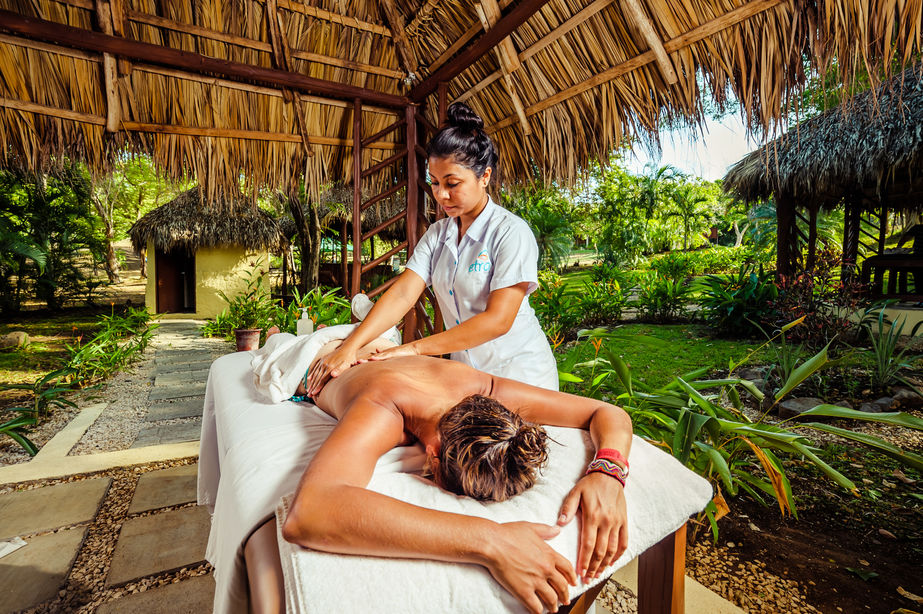
Costa Rica has built a reputation as a wellness destination thanks to its biodiversity, eco-friendly ethos, and focus on sustainability. Wellness retreats here are often centered around yoga, meditation, and nature immersion, allowing travelers to connect with the environment. Activities such as forest bathing, thermal hot springs, and organic farm-to-table dining are commonly part of the experience.
Costa Rica’s emphasis on “Pura Vida” (pure life) encapsulates its wellness philosophy. Visitors often leave not only feeling physically renewed but also carrying a sense of mindfulness and gratitude into their daily lives.
4. Iceland
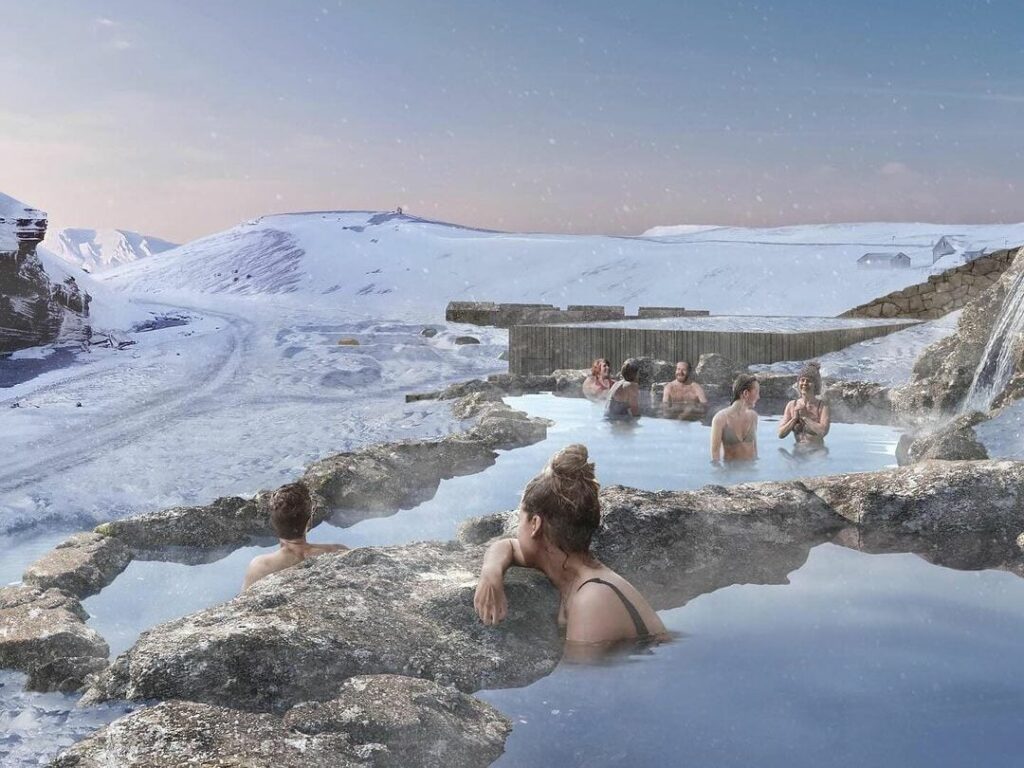
Iceland is another notable wellness tourism destination, offering natural hot springs, geothermal spas, and pristine landscapes. The Blue Lagoon near Reykjavik is one of the most famous geothermal spas in the world, attracting travelers seeking skin therapies and relaxation in mineral-rich waters.
Beyond spa treatments, Iceland offers adventure-based wellness, combining hiking, glacier tours, and immersion in untouched nature. This blend of wellness and adventure appeals to travelers looking for both physical activity and restorative relaxation.
Benefits of Wellness Tourism Destinations Using Technology
Technology has played a transformative role in enhancing wellness tourism. Health tracking devices like smartwatches allow travelers to monitor their sleep, physical activity, and heart rate during retreats. Meditation apps and online wellness platforms provide continuity, helping travelers sustain the practices they learned at destinations.
Virtual wellness consultations are another advantage. Travelers can connect with nutritionists, therapists, or yoga instructors even after leaving the destination, ensuring long-term results. The integration of digital tools with natural therapies ensures a balanced approach where ancient traditions meet modern wellness innovation.
Practical Use Cases of Wellness Tourism
Wellness tourism is more than a luxury getaway-it provides tangible solutions to common lifestyle challenges. For example, professionals facing burnout often turn to retreats in Bali or Costa Rica to restore balance and reduce stress. These experiences are structured to encourage deep relaxation and mental clarity.
For individuals managing chronic stress or sleep disorders, destinations like Kerala provide programs that blend Ayurveda, yoga, and diet management. These tailored treatments help participants improve their long-term health. Similarly, wellness tourism can support those seeking weight management, detoxification, or mindfulness practices that they can integrate into their lives after returning home.
Another significant use case is the increasing demand for wellness-focused group travel. Families, corporate teams, or friends often choose wellness tourism to bond while improving their collective well-being. This trend highlights how wellness travel has evolved into a lifestyle choice rather than a temporary escape.
Frequently Asked Questions
Q1. What makes wellness tourism different from a regular vacation?
Wellness tourism is designed specifically to enhance physical, mental, and emotional well-being. Unlike regular vacations that may prioritize sightseeing or entertainment, wellness travel focuses on activities like meditation, spa therapies, yoga, and cultural immersion aimed at restoring balance.
Q2. Are wellness tourism destinations only for people with health problems?
No. While many travelers seek wellness destinations to address stress, fatigue, or lifestyle issues, these locations also attract people who are already health-conscious. Wellness tourism appeals to anyone who values relaxation, rejuvenation, and personal growth.
Q3. How does technology improve the wellness tourism experience?
Technology enhances wellness tourism by allowing travelers to track progress with health apps, access meditation platforms, and connect with wellness experts online. This integration ensures that the practices learned during the trip can be continued at home, creating long-term benefits.