Traditional Food Tours Discover Authentic Culinary Journeys Around the World
Traditional food tours have become one of the most sought-after experiences in global travel, offering visitors an immersive way to explore cultures through their kitchens. Unlike typical sightseeing, these tours go beyond tasting dishes-they bring travelers closer to the heart of a community by showcasing recipes, techniques, and stories that have been preserved for generations. From bustling markets in Asia to rustic kitchens in Europe, traditional food tours provide a gateway into authentic living traditions.
These tours not only satisfy the palate but also allow deeper cultural understanding. Travelers can learn how ingredients are sourced, how meals are prepared, and the significance behind each dish. For many, it is not simply about eating food, but experiencing a country’s heritage in its purest form.
What Are Traditional Food Tours?
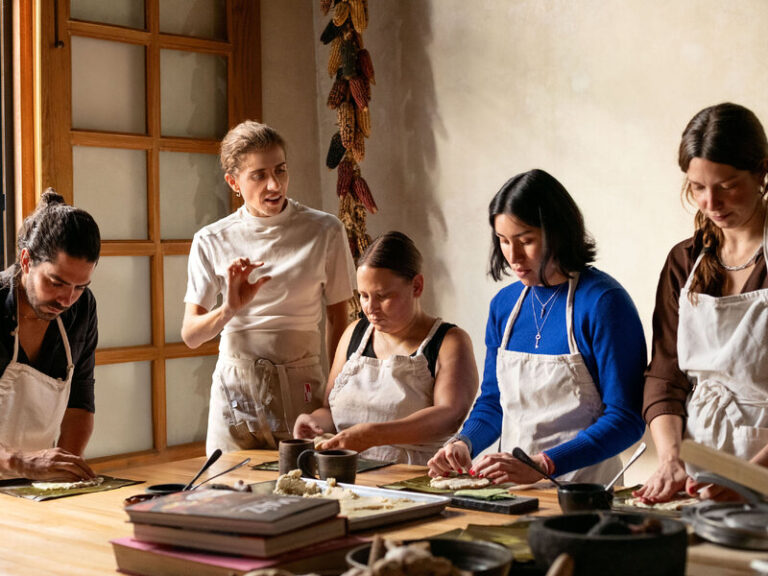
Traditional food tours are guided culinary experiences designed to highlight authentic local dishes, regional ingredients, and cooking methods that reflect a community’s heritage. Unlike general food tastings, they focus on the preservation of traditions and offer travelers opportunities to engage with locals, participate in cooking, and learn the history behind signature recipes.
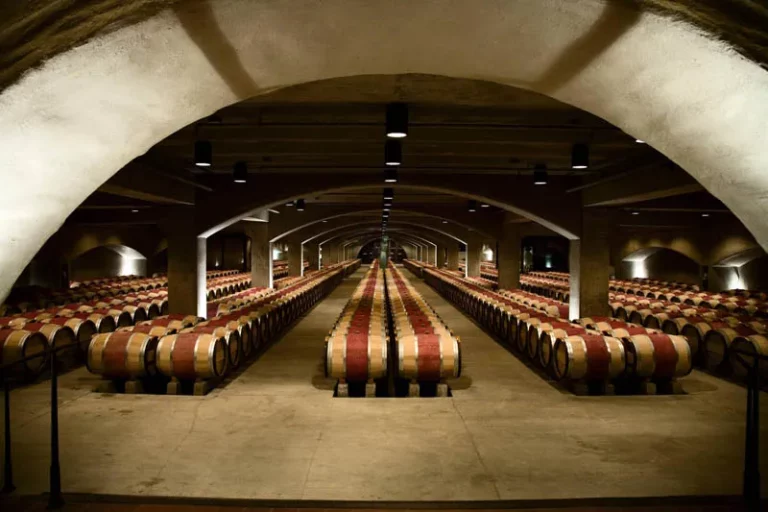
For example, a traditional food tour in Italy may involve tasting handmade pasta from family-owned trattorias, exploring vineyards that have been producing wine for centuries, and learning how olive oil is pressed using methods passed down through generations. Similarly, in Asia, travelers may discover the art of street food preparation, observing firsthand the centuries-old techniques behind noodle making or spice blending.
The Cultural Value of Traditional Food Tours
Traditional food tours are not just about culinary indulgence. They play a significant role in cultural preservation and education. By connecting travelers with local artisans, farmers, and chefs, these tours ensure that age-old food traditions are passed down to future generations.
Moreover, they contribute to sustainable tourism by directing attention toward local economies. Instead of spending money at large international chains, travelers invest directly into small family-run businesses, markets, and community workshops. This allows communities to thrive while safeguarding their cultural identity.
Benefits of Traditional Food Tours
Immersive Cultural Learning
Travelers gain deeper insights into the history and culture of a destination. For example, tasting Moroccan tagine is not only about savoring flavors but also about learning how communal meals symbolize family and hospitality.
Supporting Local Economies
Traditional food tours prioritize local businesses, ensuring that income stays within the community. This creates a positive impact on farmers, artisans, and small eateries who rely on culinary tourism for survival.
Enhanced Travel Experiences
Unlike typical sightseeing, food tours allow travelers to participate actively. This may include joining hands-on cooking classes, harvesting local produce, or visiting hidden eateries that tourists rarely find on their own.
Real-World Examples of Traditional Food Tours
1. Tuscan Culinary Heritage Tours (Italy)
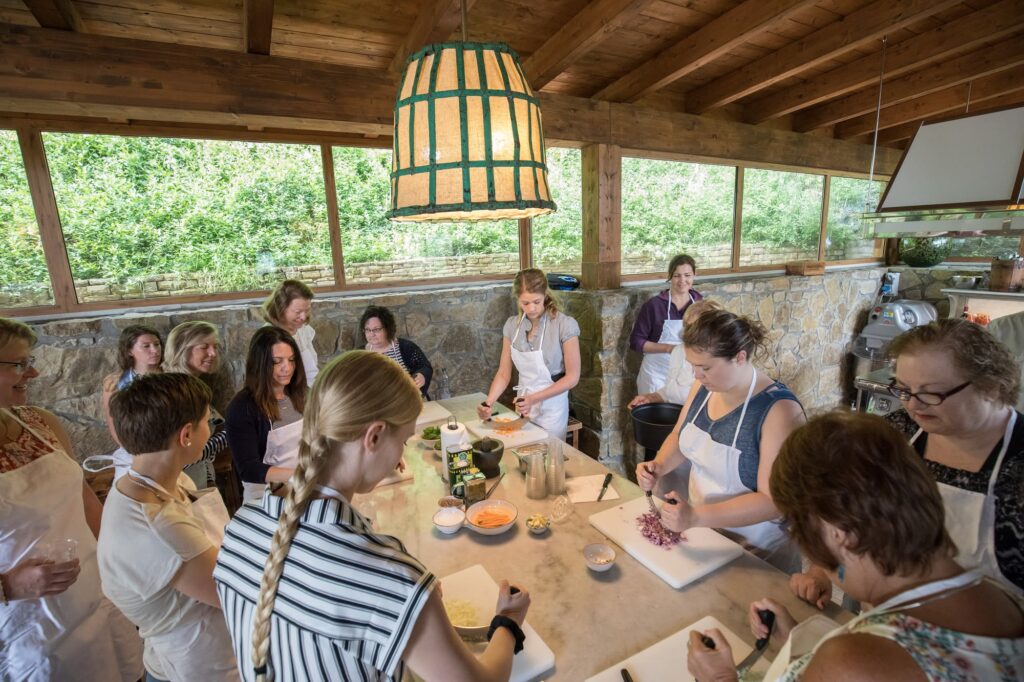
Tuscany is famous for its rustic yet refined cuisine, emphasizing fresh local ingredients and traditional cooking. A Tuscan food tour often includes truffle hunting, olive oil tastings, and pasta-making workshops guided by local chefs. Travelers not only taste iconic dishes but also learn about centuries-old agricultural practices that shape the region’s cuisine. The experience connects visitors with the land, where vineyards and olive groves are as much part of the culture as the food itself.
2. Bangkok Street Food Experience (Thailand)
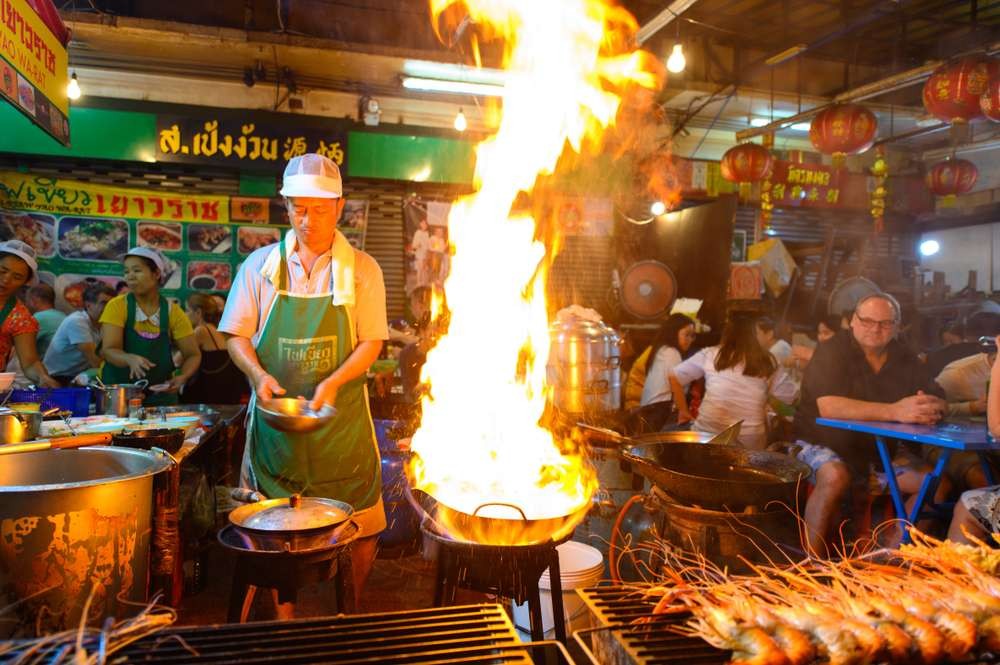
Thailand’s capital is known as the street food capital of the world, and traditional food tours here focus on authentic recipes prepared right on the roadside. Guests may try boat noodles, green curry, or mango sticky rice, all while learning about the cultural meaning behind these dishes. The tour is often led by locals who share personal stories about food traditions passed down through their families, turning each bite into a narrative of heritage.
3. Marrakech Market and Cooking Tour (Morocco)
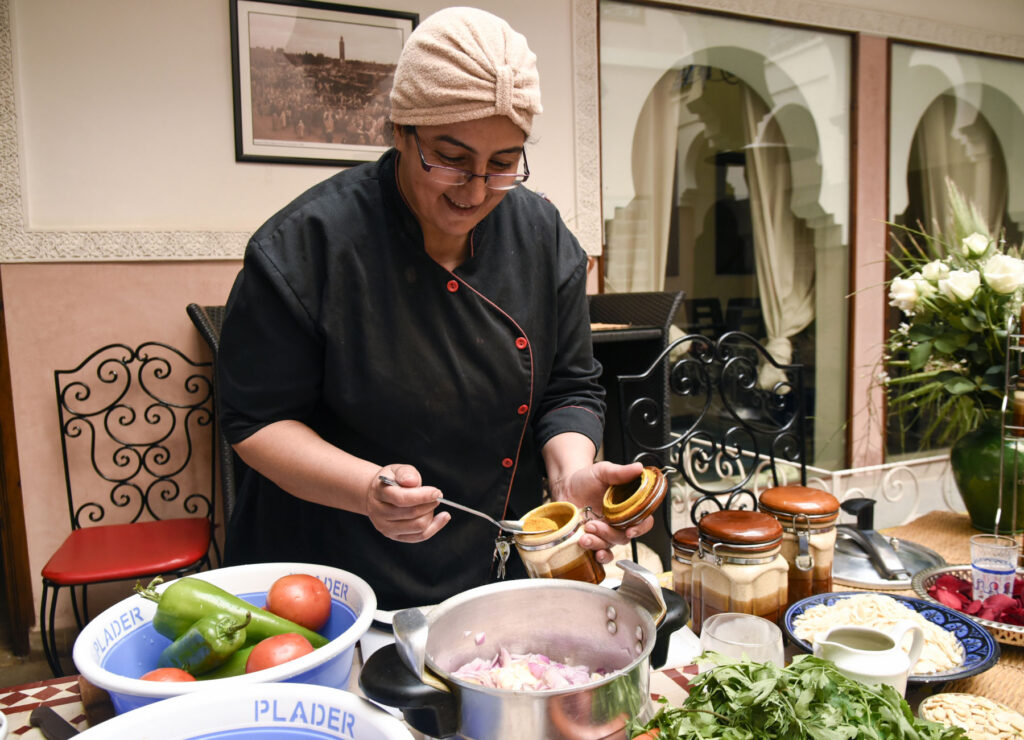
In Morocco, traditional food tours often start at the souks-colorful markets brimming with spices, herbs, and fresh produce. Visitors are guided through the process of selecting ingredients before joining local cooks to prepare a tagine, a dish that represents Moroccan culinary artistry. The immersive experience highlights the communal nature of Moroccan dining and the balance of spices that define its flavors.
4. Kyoto Culinary Journey (Japan)
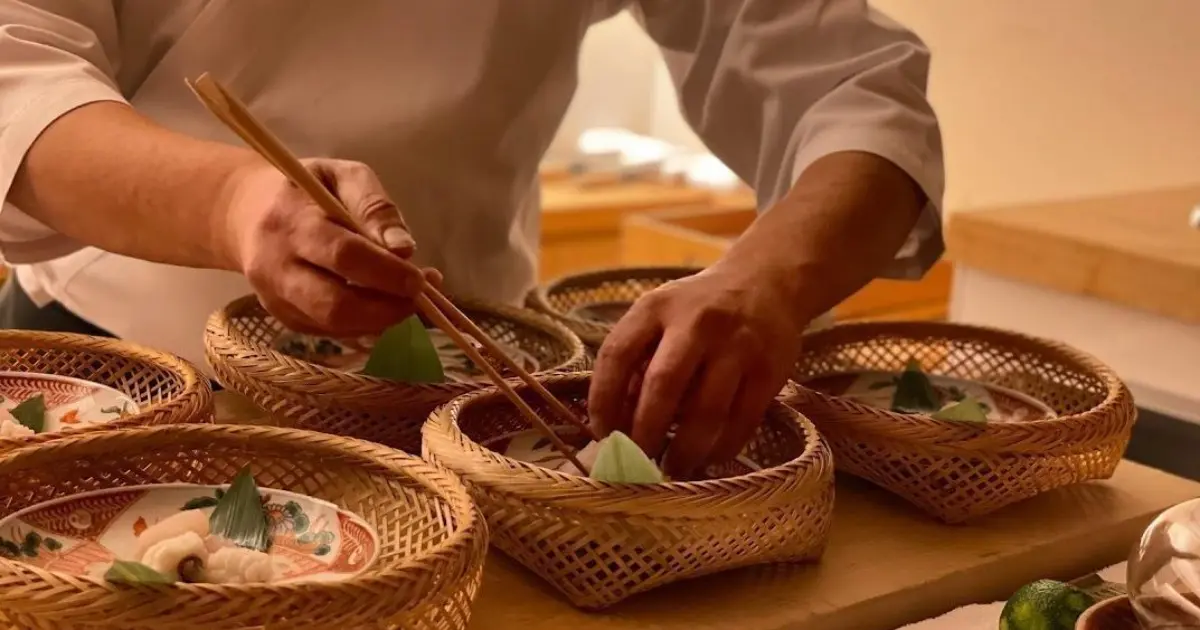
Japan’s traditional food tours are centered around respect for ingredients and precise cooking methods. In Kyoto, visitors can explore tea ceremonies, sample kaiseki (a multi-course traditional meal), and learn about the artistry behind sushi preparation. These tours go beyond tasting by focusing on the philosophy of Japanese cuisine, which emphasizes balance, seasonality, and presentation.
Use Cases of Traditional Food Tours
Solving the Problem of Surface-Level Tourism
Many travelers feel unsatisfied with superficial sightseeing that doesn’t connect them with local culture. Traditional food tours address this by providing authentic, hands-on experiences that deepen cultural appreciation.
Preserving Culinary Heritage
In some regions, modernization threatens traditional recipes and cooking methods. Food tours help sustain these traditions by creating economic incentives for locals to preserve and share their culinary knowledge.
Building Cross-Cultural Understanding
Food has always been a universal language. By engaging in traditional food tours, travelers from different backgrounds build mutual respect and understanding through shared culinary experiences, breaking down cultural barriers.
The Role of Technology in Enhancing Traditional Food Tours
While food tours celebrate heritage, technology has helped make them more accessible and enriching. Online booking platforms, mobile translation apps, and digital storytelling have allowed travelers to connect more easily with local guides.
For instance, augmented reality can enhance market visits by displaying ingredient details, history, or recipes instantly through smartphones. Social media also plays a role by spreading awareness, encouraging more travelers to choose authentic food tours over commercial alternatives. However, the essence of these tours remains rooted in face-to-face connections and hands-on experiences.
Frequently Asked Questions
Q1. What makes traditional food tours different from regular food tours?
Focus on authentic, heritage-based culinary experiences. They highlight recipes, techniques, and cultural practices that have been preserved for generations, while regular food tours may emphasize trendy or modern dining.
Q2. Are traditional food tours suitable for families?
Yes. These tours often include activities such as cooking classes and market visits, making them engaging for families. Children can learn about local ingredients and enjoy hands-on experiences like baking bread or preparing simple dishes.
Q3. How do traditional food tours support sustainable tourism?
They channel revenue directly into local communities, support small businesses, and promote the preservation of culinary heritage. This creates sustainable economic opportunities while protecting cultural traditions from being lost.