Top Zoos in the World to Visit in 2025
Zoos have evolved far beyond being just recreational spaces; they are now hubs of conservation, education, and research. The top zoos in the world offer not only a chance to observe exotic wildlife but also to understand ecosystems, endangered species, and sustainability efforts. For families, solo travelers, and animal enthusiasts, visiting a world-class zoo provides an unforgettable experience.
In this guide, we will explore the most renowned zoos across the globe, highlight their conservation contributions, explain how technology enhances visitor experiences, and provide detailed insights into why these destinations are essential for global wildlife education.
Why Zoos Matter in Today’s World
Modern zoos are crucial for bridging the gap between humans and wildlife. They educate people about the importance of biodiversity, create awareness about endangered species, and actively participate in global breeding programs. By visiting these top zoos, travelers not only enjoy the experience of seeing animals up close but also contribute to conservation projects that protect species for future generations.
Another key factor is how zoos promote cultural exchange. Each zoo reflects not only the animals it houses but also the culture and environmental values of the country it belongs to. This makes every visit unique and enriching.
Famous Examples of Top Zoos in the World
San Diego Zoo, USA
Located in California, the San Diego Zoo is often ranked as one of the best zoos in the world. With over 12,000 animals representing more than 650 species, it is known for its open-air, cage-less exhibits that replicate natural habitats. Visitors can witness giant pandas, polar bears, and exotic birds, making it a top destination for animal lovers.
What sets the San Diego Zoo apart is its commitment to research and conservation. The zoo has been instrumental in saving species such as the California condor and participates in international breeding programs. This blend of education and entertainment makes it one of the most inspiring zoological institutions globally.
Singapore Zoo, Singapore

The Singapore Zoo is globally recognized for its immersive rainforest environment. Instead of traditional enclosures, it features open habitats separated by natural barriers like rivers and rocks. This design allows visitors to feel as though they are walking directly into the animals’ world.
Highlights include the famous “Breakfast with Orangutans” program and a dedicated wildlife healthcare and research center. Singapore Zoo has received awards for its innovation and conservation practices, showcasing how a modern zoo can blend tourism with environmental responsibility.
Berlin Zoological Garden, Germany
As one of the oldest and most visited zoos in Europe, the Berlin Zoological Garden is home to over 20,000 animals. Its historic setting and vast collection make it a must-visit for anyone exploring Germany’s capital. The zoo is particularly famous for housing the late polar bear Knut, who became a global symbol of wildlife awareness.
The Berlin Zoo also plays a strong role in conservation education. With a mix of classic architecture and modern facilities, it offers both cultural and ecological experiences. It represents the fusion of tradition and innovation in the world of zoological gardens.
Taronga Zoo, Australia
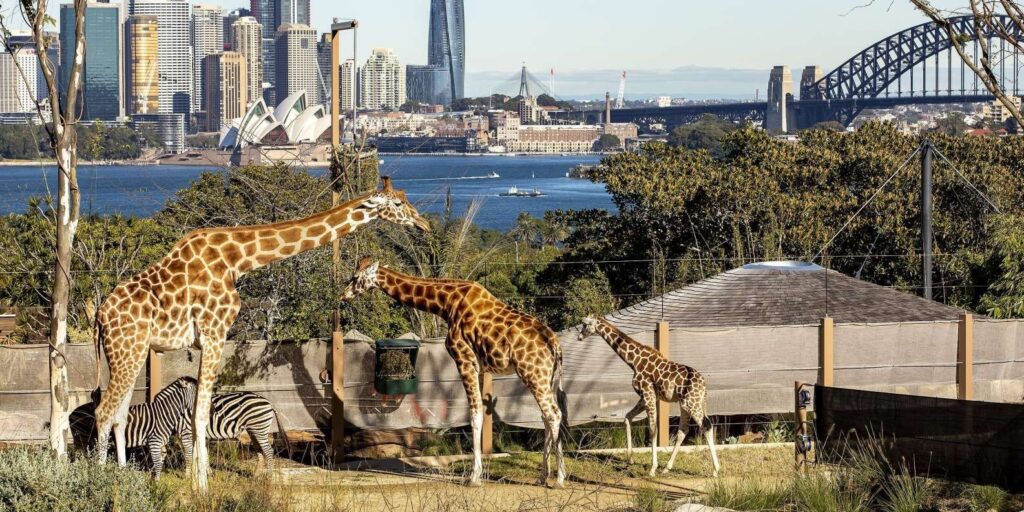
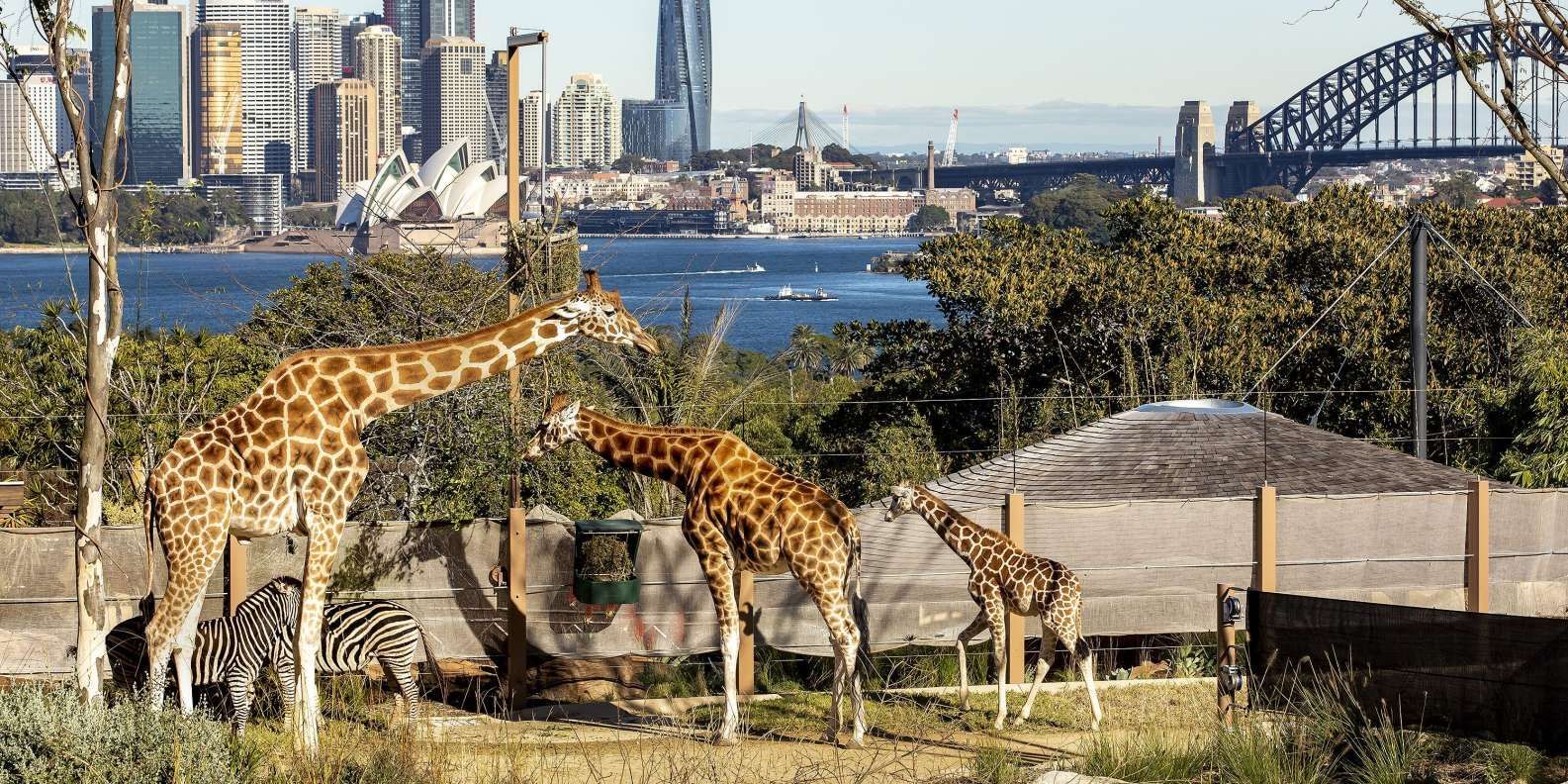
Overlooking the stunning Sydney Harbour, Taronga Zoo is as famous for its views as for its animals. It is home to more than 4,000 animals, including kangaroos, koalas, and a wide range of exotic species from around the world.
Taronga Zoo stands out for its sustainability initiatives, such as solar power usage and plastic reduction campaigns. Visitors can participate in educational talks, animal encounters, and even overnight stays through its “Roar and Snore” program, which provides a unique way to connect with wildlife.
London Zoo, United Kingdom
Founded in 1828, the London Zoo is the world’s oldest scientific zoo. Today, it continues to lead in both animal research and public engagement. With more than 20,000 animals, it offers themed sections such as “Land of the Lions” and “Penguin Beach.”
London Zoo also focuses heavily on conservation projects worldwide, working with organizations to protect endangered species in their native habitats. Its innovative approach combines history, science, and visitor experience, making it one of the top zoos in the world.
The Role of Technology in Modern Zoos
Technology has transformed the way visitors experience zoos. Augmented reality (AR) and virtual reality (VR) tools allow guests to see extinct animals or witness migration patterns that are otherwise impossible in real life. Mobile apps guide visitors with interactive maps, animal facts, and feeding schedules, making the experience more personalized.
For conservation, technology plays an even bigger role. Artificial intelligence is used for monitoring animal health, tracking movements, and analyzing behavior. This allows zoos to ensure animals receive the best care while also contributing data to global scientific research. The integration of technology ensures that zoos are not only entertaining but also educational and scientifically valuable.
Benefits of Visiting the Top Zoos in the World
One of the primary benefits of visiting these zoos is education. Families can learn about endangered species, ecosystems, and conservation in a way that textbooks cannot provide. Seeing animals up close helps foster empathy and awareness in both children and adults.
Another advantage is the support of conservation efforts. Entry fees and donations often go directly into global programs that save species and habitats. By visiting, travelers play a role in protecting biodiversity. Additionally, zoos provide recreational benefits: they offer outdoor activities, cultural events, and safe spaces for family bonding, making them versatile destinations for different types of travelers.
Real-World Use Cases of Top Zoos

Wildlife Education for Children
Many families visit zoos to introduce children to wildlife in an interactive way. For example, the San Diego Zoo’s education programs allow kids to join guided tours and interactive workshops. These experiences encourage curiosity and teach responsibility toward nature from a young age.
Tourism and Local Economy Support
Zoos like the Singapore Zoo and Taronga Zoo boost local economies by attracting millions of international visitors annually. These attractions support hotels, restaurants, and transportation industries, showing how wildlife-based tourism benefits entire communities.
Conservation Awareness and Volunteer Programs
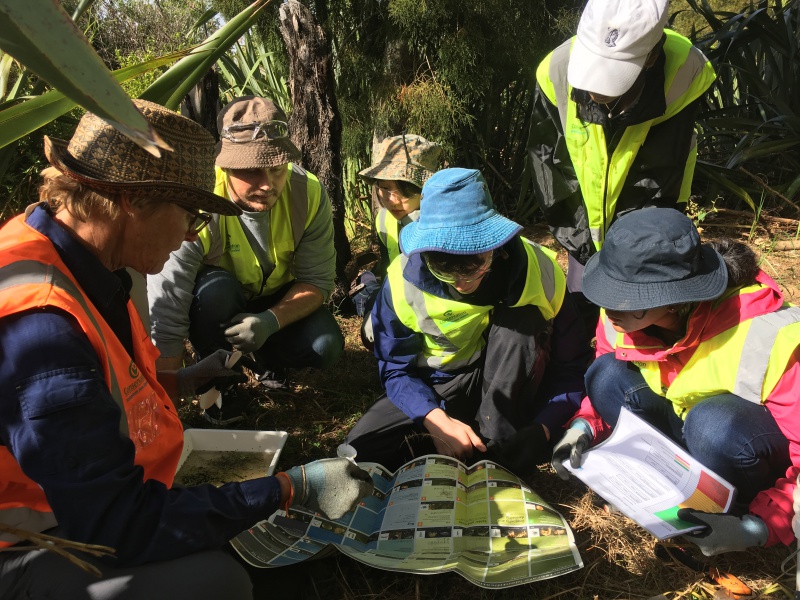
Zoos such as the London Zoo run volunteer opportunities where people can directly participate in animal care and conservation campaigns. This offers practical experience while spreading awareness of pressing environmental issues.
Real-Life Problems Zoos Help Solve
Zoos play a vital role in addressing some of the world’s pressing issues. They help mitigate the loss of biodiversity by protecting endangered species through breeding programs. For example, pandas and condors have seen population recoveries thanks to zoo initiatives.
Zoos also provide a platform for public awareness. In an age where climate change and deforestation threaten ecosystems, zoos remind society of the importance of protecting wildlife. They serve as ambassadors for animals that may never be seen in the wild again, ensuring that future generations remain connected to nature.
Frequently Asked Questions
Q1. What makes a zoo one of the top zoos in the world?
A zoo earns this status by combining exceptional animal care, immersive visitor experiences, innovative use of technology, and active participation in global conservation projects.
Q2. Are modern zoos ethical?
Many top zoos now follow strict ethical guidelines, ensuring animals live in habitats that closely resemble their natural environments while focusing on conservation and research.
Q3. How do zoos contribute to wildlife conservation?
Zoos contribute through breeding programs, habitat restoration initiatives, public education, and by funding international projects aimed at protecting endangered species in the wild.