Thermal Hot Springs Complete Guide to Natural Wellness and Relaxation
Thermal hot springs are natural wonders formed when groundwater is heated by geothermal activity beneath the Earth’s surface. These springs have been valued for centuries across cultures, not only as places of relaxation but also for their perceived therapeutic benefits. From the Roman Empire’s elaborate bathhouses to Japan’s traditional onsens, hot springs hold a timeless appeal that blends health, leisure, and connection with nature.
Today, thermal hot springs are sought-after destinations for travelers, wellness seekers, and families. They provide more than just a soothing soak; they offer a chance to immerse in mineral-rich waters believed to ease stress, improve circulation, and promote healing. Understanding their origins, benefits, and real-world examples can help you appreciate why these natural geothermal pools are treasured across the globe.
The Science Behind Thermal Hot Springs
Thermal hot springs occur when groundwater percolates deep into the Earth’s crust, where geothermal heat warms it before resurfacing. Depending on the geological makeup of the region, the water often becomes infused with minerals such as calcium, magnesium, potassium, sulfur, and silica. These minerals contribute to both the health claims and the unique textures of the waters.
The temperature of thermal hot springs can range widely-from comfortably warm pools perfect for soaking to near-boiling geysers. The mineral composition and heat levels are determined by local geology, making each spring unique. This natural variability explains why travelers often compare different destinations for their distinctive characteristics, from sulfuric waters with a strong aroma to silky smooth baths rich in silica.
Health Benefits of Thermal Hot Springs
Stress Relief and Relaxation
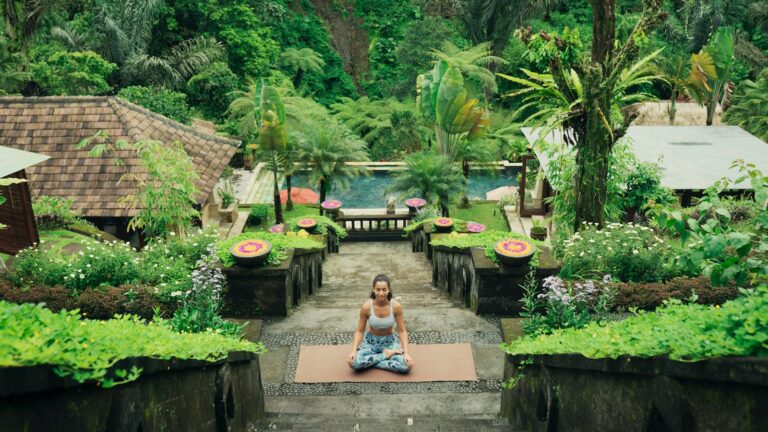
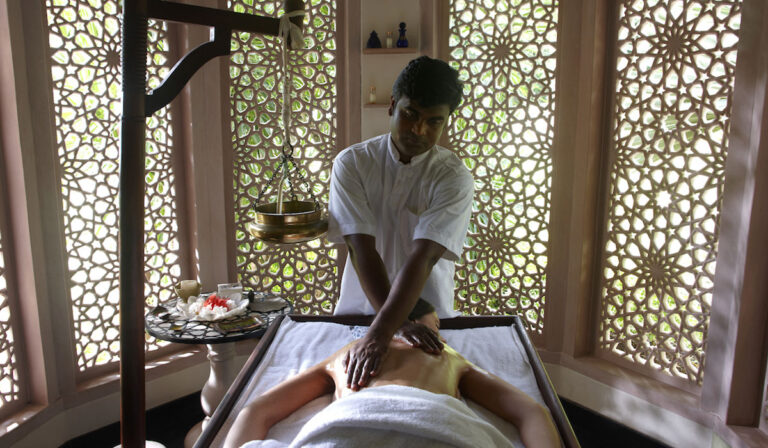
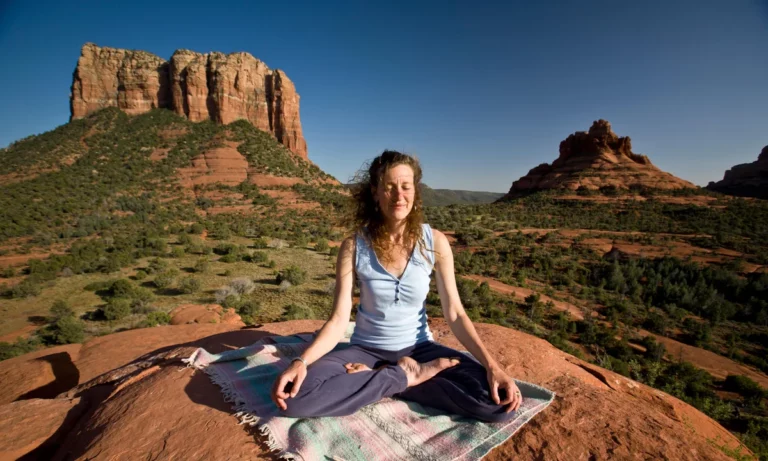
One of the primary reasons people visit thermal hot springs is the deep sense of relaxation they provide. Warm water immersion helps muscles release tension, reduces cortisol levels, and creates a calming environment. Many resorts have incorporated meditation, yoga, and spa treatments alongside their hot spring offerings to amplify this effect.
Beyond physical relaxation, hot springs offer mental benefits. Disconnecting from daily routines and soaking in nature promotes mindfulness, making them powerful stress-management tools.
Skin Health and Mineral Absorption
Minerals present in thermal waters are often linked to skin health. Silica-rich springs, for instance, leave the skin feeling smooth and nourished. Sulfur, while aromatic, has been associated with treating skin conditions like eczema and psoriasis. The direct absorption of these minerals through the skin is believed to support rejuvenation and healing.
Frequent bathers often report improved skin hydration and clarity, making thermal springs an attractive natural beauty treatment.
Improved Circulation and Pain Relief
Warm geothermal waters encourage vasodilation, which enhances blood circulation. This effect supports oxygen delivery throughout the body, helping with joint mobility and muscle recovery. For individuals suffering from arthritis, chronic back pain, or fatigue, hot springs can provide natural relief.
Moreover, alternating between hot and cooler pools-common in traditional practices-can improve cardiovascular resilience, similar to hydrotherapy techniques.
Famous Thermal Hot Spring Destinations
1. Blue Lagoon, Iceland
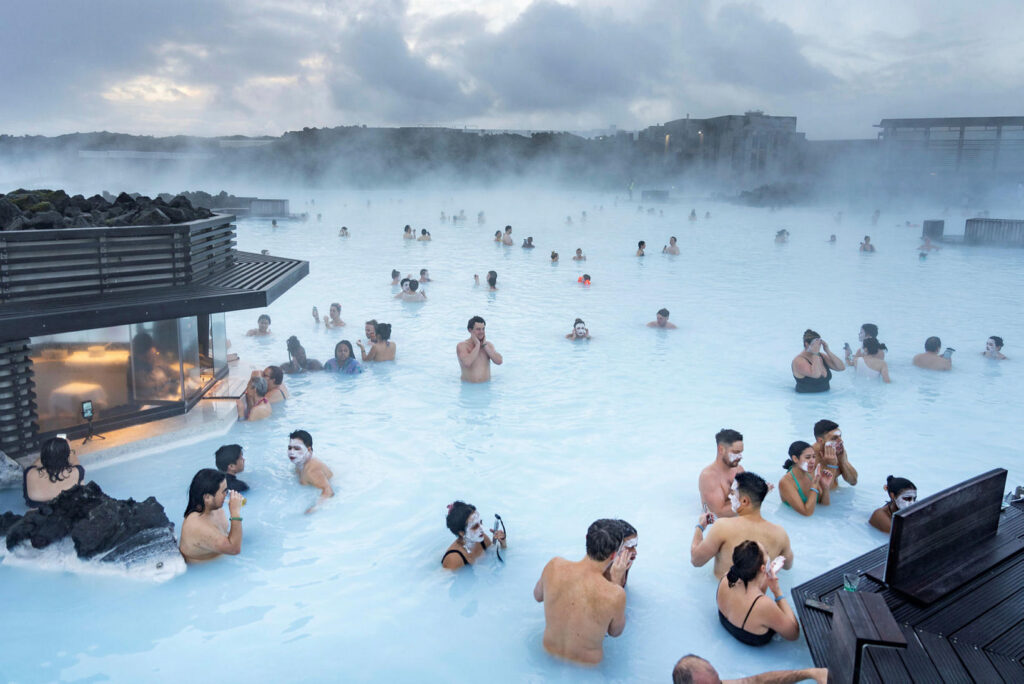
The Blue Lagoon is one of the world’s most iconic geothermal spas. Located in a lava field near Reykjavik, it is fed by waters rich in silica and minerals. Its milky-blue appearance is both visually striking and beneficial for the skin. The Blue Lagoon has become a hub for wellness tourism, offering luxury spa treatments and research-backed skincare programs.
This destination exemplifies how thermal hot springs can evolve into internationally renowned health resorts, blending natural wonders with modern wellness experiences.
2. Hakone Onsen, Japan
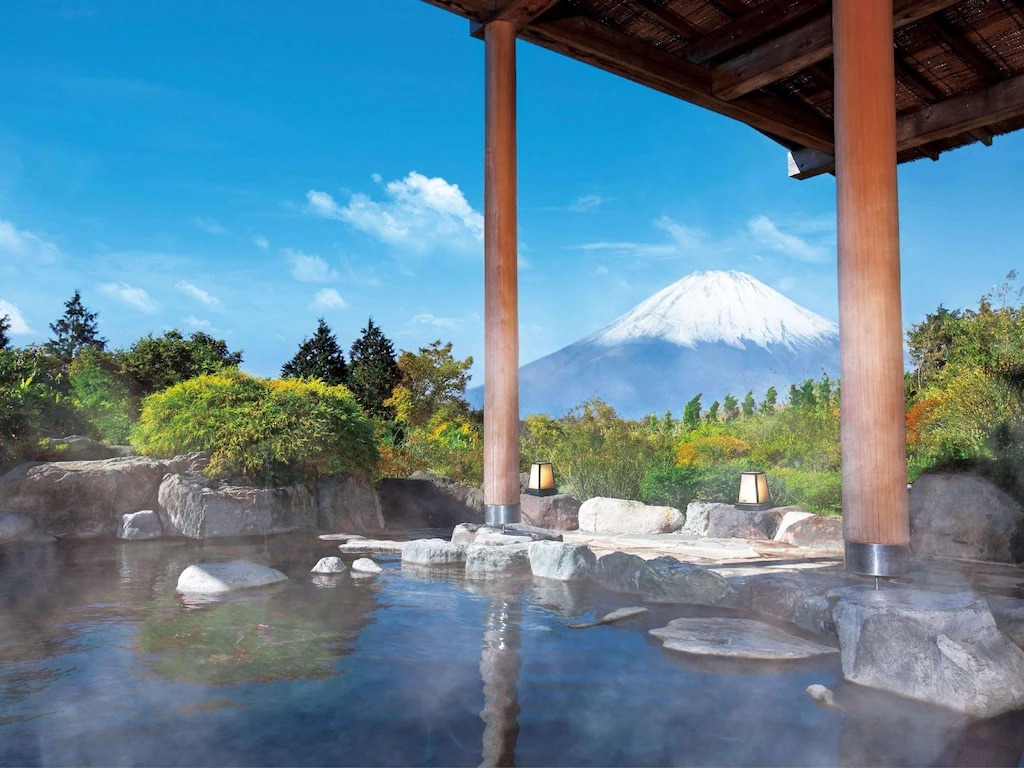
Japan is home to thousands of onsens, with Hakone being among the most famous. Nestled near Mount Fuji, Hakone Onsen features mineral-rich waters set against picturesque landscapes. Traditional Japanese inns, or ryokans, often provide private baths where families and couples can enjoy the springs in intimate settings.
The Japanese culture of bathing highlights the spiritual and social aspects of hot springs, making Hakone not just a wellness stop but also a cultural immersion experience.
3. Banff Upper Hot Springs, Canada
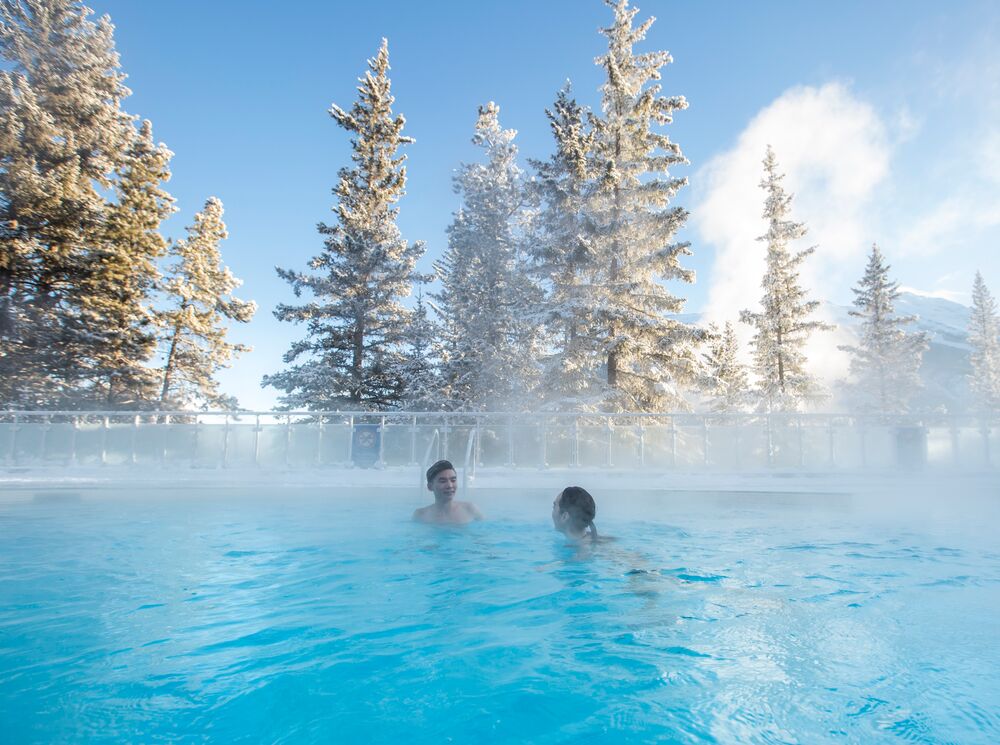
Set in the Canadian Rockies, Banff Upper Hot Springs combine natural geothermal waters with breathtaking mountain views. The mineral content and comfortable temperatures make them popular among hikers and skiers seeking recovery after outdoor adventures.
Banff demonstrates how thermal hot springs serve both recreational and therapeutic purposes. They are destinations where nature, wellness, and adventure come together seamlessly.
4. Széchenyi Thermal Bath, Hungary
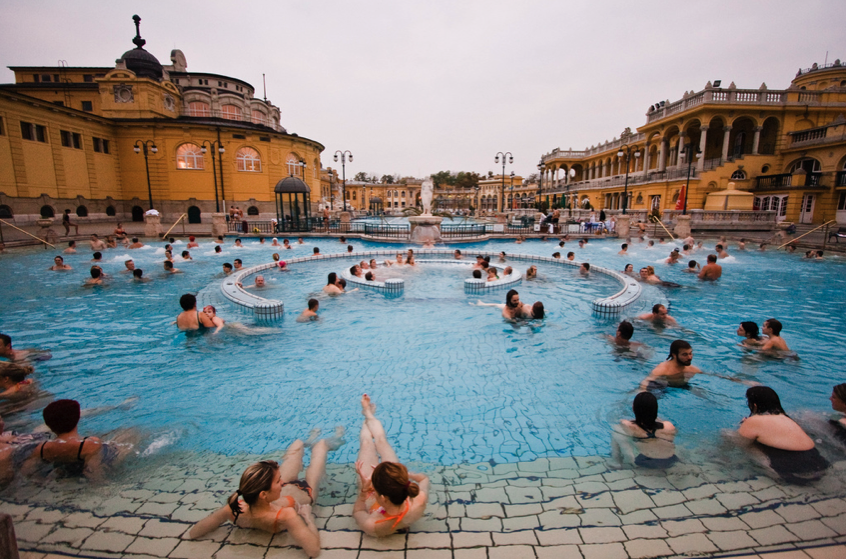
Budapest is often called the “City of Spas,” and Széchenyi is its crown jewel. This sprawling complex features indoor and outdoor pools filled with mineral-rich waters. Locals and tourists alike gather to soak, socialize, and even play chess in the warm waters during the winter months.
Széchenyi is an example of how hot springs integrate into everyday life, providing not just physical health benefits but also a communal gathering place.
The Role of Technology in Enhancing Hot Spring Experiences
Modern technology has revolutionized the way hot springs are managed and experienced. Geothermal monitoring ensures safe water temperatures, while advanced filtration systems maintain cleanliness without removing beneficial minerals. This balance allows resorts to provide consistent and safe environments for guests.
Additionally, virtual reality and mobile applications are enhancing visitor experiences. Some destinations use VR to educate visitors about geothermal science, while mobile apps allow booking private pools, tracking wellness programs, or customizing spa treatments. Technology also supports eco-friendly water management, ensuring the sustainability of these natural resources for future generations.
Practical Use Cases of Thermal Hot Springs
Wellness Tourism
Thermal hot springs are central to the booming wellness tourism industry. Travelers increasingly seek experiences that combine relaxation with health benefits. Families, couples, and solo adventurers choose destinations based on the promise of rejuvenation.
Post-Exercise Recovery
Athletes and outdoor enthusiasts often use thermal hot springs to aid recovery after intense physical activity. The combination of heat and minerals accelerates muscle relaxation and supports faster healing.
Natural Stress Therapy
For individuals experiencing high stress or burnout, hot springs offer a retreat from everyday life. The immersive natural setting enhances their therapeutic effects, turning them into havens for mental health.
Cultural Experiences
Visiting hot springs is often intertwined with local traditions, whether it’s Japanese onsens, Roman baths, or European spa towns. These experiences enrich travel by combining health, history, and culture.
Frequently Asked Questions
Q1. Are thermal hot springs safe for everyone?
Most healthy adults can enjoy hot springs safely. However, individuals with certain heart conditions, pregnant women, or those with open wounds should consult a doctor before visiting. Always follow posted guidelines for safe soaking durations.
Q2. Do thermal hot springs really improve health?
Scientific evidence supports some benefits, such as improved circulation, relaxation, and temporary pain relief. While not a substitute for medical treatment, they can complement wellness routines and offer psychological benefits.
Q3. How do thermal hot springs differ around the world?
The main differences lie in mineral composition, temperature, and cultural traditions. For instance, Icelandic springs often feature silica-rich waters, Japanese onsens are tied to cultural rituals, and European baths emphasize social gathering and hydrotherapy.