Michelin-Star Dining A Complete Guide to World-Class Culinary Experiences
Michelin-star dining represents the pinnacle of culinary excellence. For over a century, Michelin has set the gold standard in gastronomy, recognizing restaurants that showcase extraordinary creativity, consistency, and quality. A Michelin star is not just a badge of honor for chefs but also a promise of an unforgettable dining experience for guests.
Whether it’s a quaint countryside inn with hearty flavors or an avant-garde restaurant pushing culinary boundaries, Michelin-star dining captures the essence of culture, innovation, and passion. For travelers and food lovers alike, understanding what makes these restaurants exceptional helps appreciate why they are sought after across the globe.
The Origins of Michelin-Star Dining
The Michelin Guide was first published in 1900 by the Michelin tire company in France, originally intended to encourage road travel. Over time, the guide evolved from being a simple travel companion into one of the most influential authorities in gastronomy. In 1926, it began awarding stars, and by 1931, the now-familiar one, two, and three-star rating system was established.
A single Michelin star signifies high-quality cuisine worth a stop, two stars highlight excellent cooking worth a detour, and three stars represent extraordinary dining worth a special journey. This star system has shaped the culinary world, influencing the careers of chefs and redefining the standards of fine dining.
What Defines a Michelin-Star Restaurant?
Earning a Michelin star is not based on luxury or prestige alone. Inspectors focus on five main criteria: the quality of ingredients, mastery of techniques, the personality of the chef reflected in the cuisine, value for money, and consistency over time. This means a humble bistro serving exceptional food can earn recognition alongside lavish dining establishments.
These standards ensure that the Michelin Guide remains fair and reliable. What sets Michelin-star dining apart is not just the food but the entire experience, from service and presentation to the balance of tradition and innovation.
The Role of Technology in Michelin-Star Dining
Technology has quietly become a powerful tool in Michelin-starred kitchens. Precision cooking equipment, advanced reservation systems, and digital culinary tools help chefs deliver consistently outstanding dishes. For example, sous-vide machines allow precise temperature control, ensuring perfection in texture and flavor.
Modern kitchen technology also aids in sustainability. Smart inventory systems reduce food waste, while digital tracking helps chefs source responsibly. Beyond the kitchen, reservation apps and AI-driven personalization tools ensure diners enjoy seamless booking and tailored dining experiences. This combination of artistry and technology ensures that Michelin-star dining remains both innovative and accessible.
Real-World Examples of Michelin-Star Dining Experiences
1. Osteria Francescana, Modena, Italy
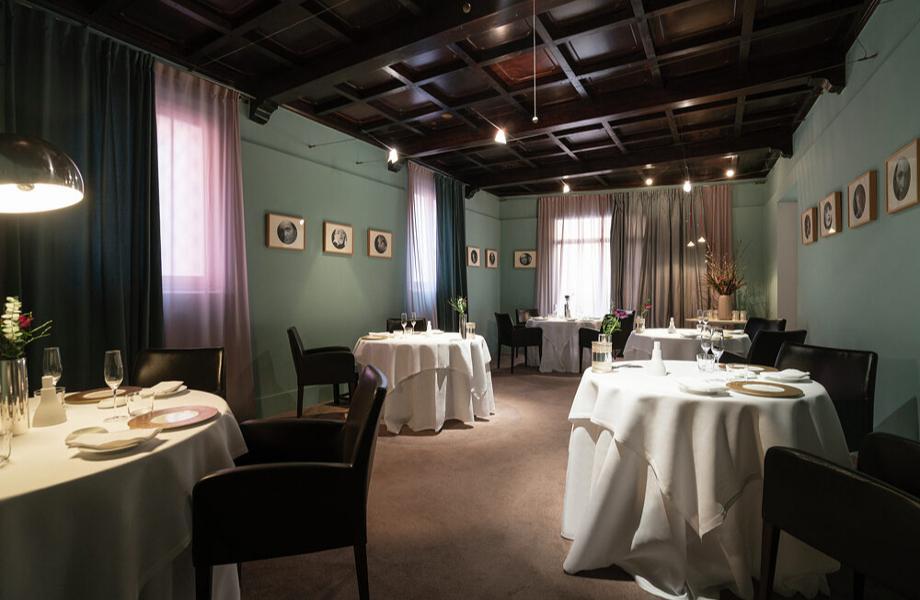
Led by Chef Massimo Bottura, Osteria Francescana has been named one of the best restaurants in the world. Known for blending Italian tradition with avant-garde creativity, dishes like “Five Ages of Parmigiano Reggiano” showcase Bottura’s playful innovation. This Michelin three-star restaurant demonstrates how cultural heritage and artistic imagination can coexist on the same plate.
2. Eleven Madison Park, New York, USA
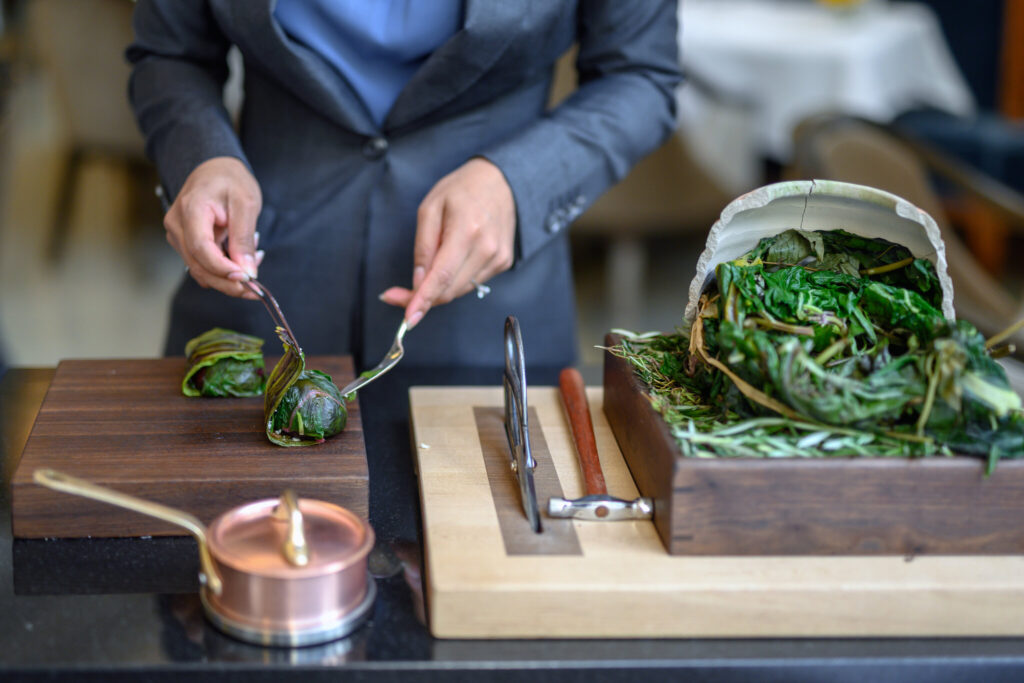
Under Chef Daniel Humm, Eleven Madison Park reinvented itself by offering a fully plant-based menu, earning global acclaim while retaining its Michelin recognition. The restaurant’s bold transition demonstrates how Michelin-starred dining can evolve with modern values such as sustainability and ethical sourcing.
3. Sukiyabashi Jiro, Tokyo, Japan
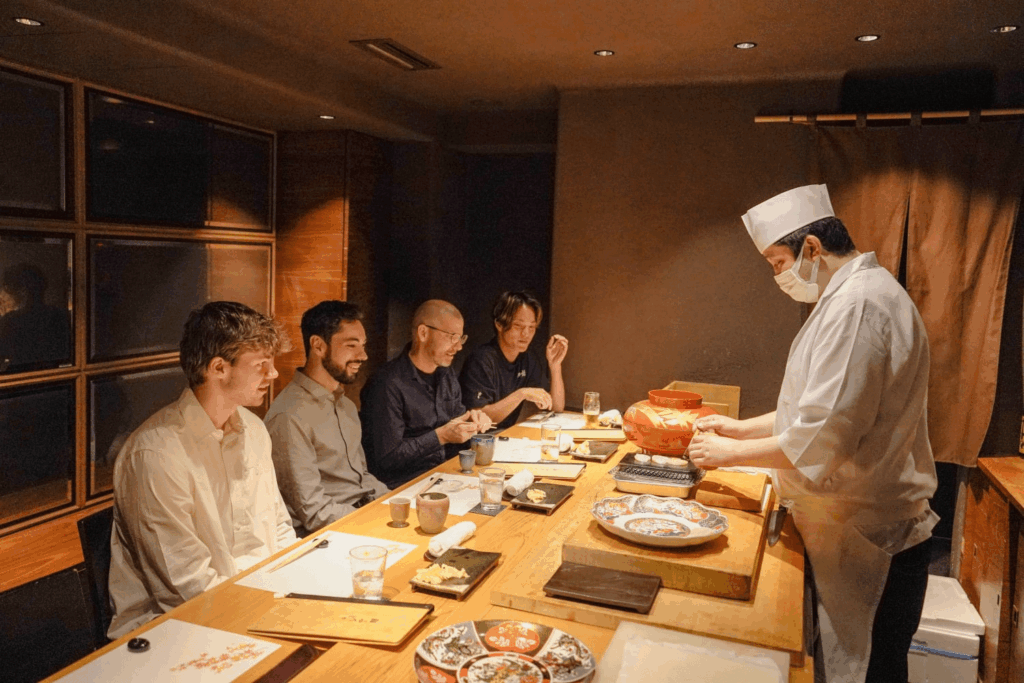
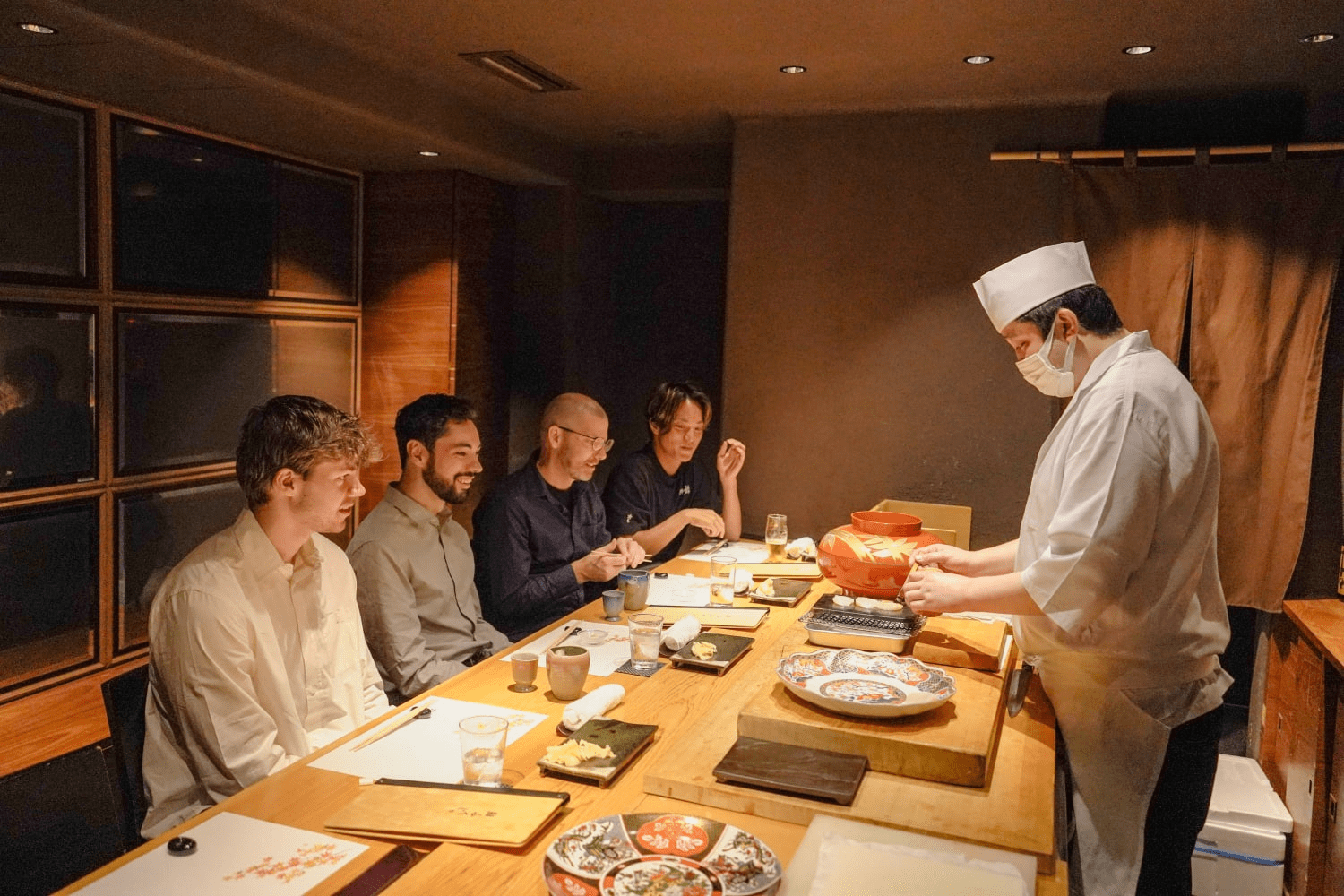
Famed for its legendary sushi, Sukiyabashi Jiro has long been a symbol of perfection in simplicity. Every piece of sushi reflects decades of skill and discipline. This example highlights how Michelin-star dining is not about extravagance but about mastery of craft and attention to detail.
4. Mirazur, Menton, France
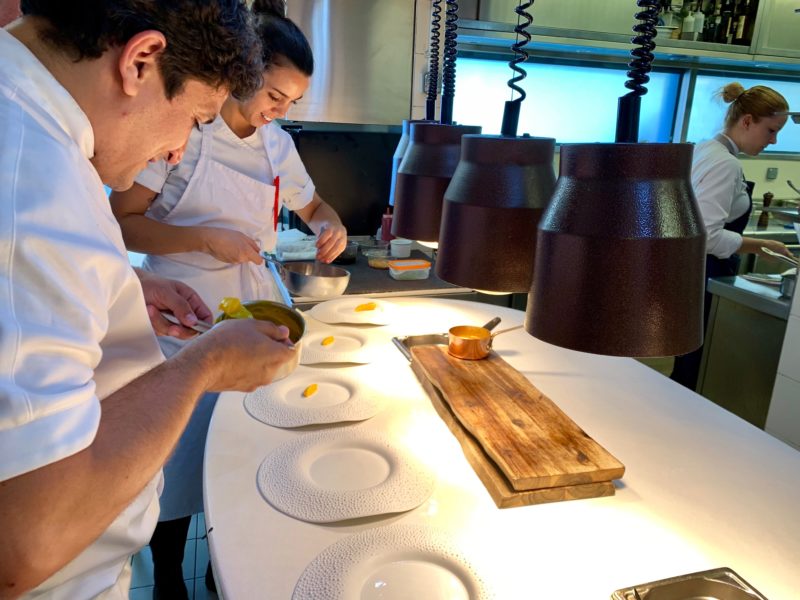
Chef Mauro Colagreco’s Mirazur embraces nature, with menus inspired by the sea, the gardens, and the mountains. Awarded three Michelin stars, Mirazur’s approach demonstrates how place and environment can deeply influence a restaurant’s culinary philosophy, offering diners a sense of connection to the land and culture.
Benefits of Michelin-Star Dining
Michelin-star dining offers more than just exquisite food; it delivers a complete sensory journey. Guests enjoy impeccable service, beautifully designed spaces, and dishes that tell stories. For travelers, dining at Michelin-starred restaurants creates lasting memories tied to specific places and cultures.
On a broader scale, Michelin recognition benefits local economies by attracting global visitors, boosting tourism, and fostering pride within communities. Chefs and culinary teams also benefit, as stars often serve as milestones that validate years of dedication, creativity, and discipline.
Use Cases of Michelin-Star Dining in Real Life
Celebrating Life’s Milestones
Many people choose Michelin-star dining for special occasions such as anniversaries, birthdays, or proposals. The refined atmosphere, flawless service, and extraordinary cuisine make such moments unforgettable.
Cultural Exploration Through Food
For travelers, Michelin-star dining offers a gateway into a region’s culinary traditions. Whether it’s exploring sushi in Tokyo or French haute cuisine in Paris, dining experiences become cultural lessons as much as meals.
Professional Inspiration for Culinary Students
Aspiring chefs often study Michelin-starred restaurants to understand innovation, precision, and discipline. Observing these kitchens provides insights into professional excellence and inspires future generations of culinary artists.
Frequently Asked Questions
Q1. What does it mean if a restaurant has Michelin stars?
It means the restaurant has been recognized for outstanding quality, creativity, and consistency. One star indicates a very good restaurant, two stars mean excellent cooking worth a detour, and three stars signify extraordinary dining worth a special journey.
Q2. Are Michelin-starred restaurants always expensive?
Not necessarily. While many are fine-dining establishments, some affordable bistros and small eateries also earn stars. The focus is on quality and consistency rather than luxury alone.
Q3. How do Michelin inspectors evaluate restaurants?
Inspectors dine anonymously and judge restaurants on criteria including ingredient quality, technique, creativity, value for money, and consistency over time. The atmosphere and service play a role but are secondary to the food itself.