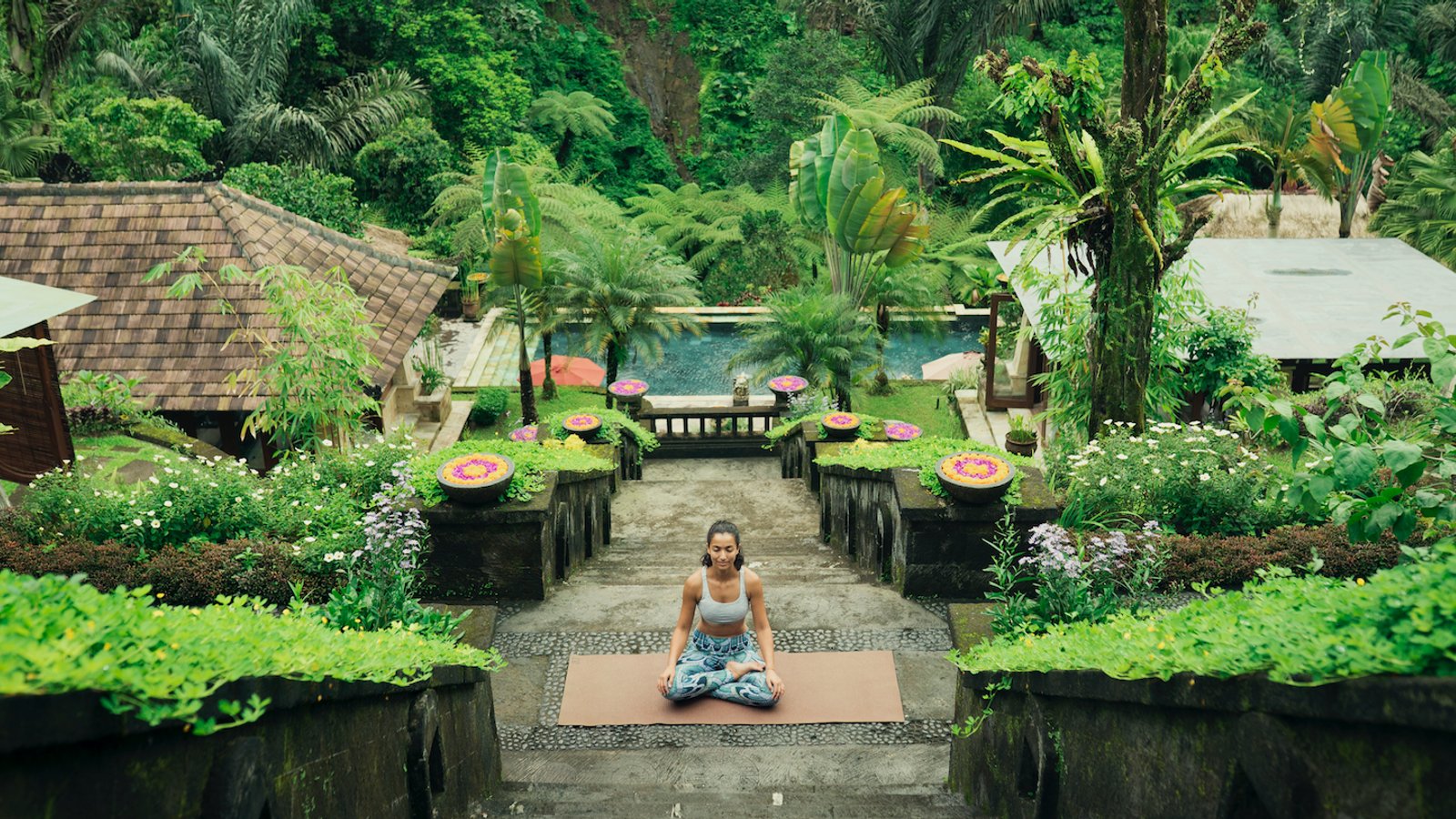
Meditation Retreats A Complete Guide to Transformative Experiences for Mind and Body
Meditation retreats have grown in popularity worldwide as people seek meaningful escapes from the stress of daily life. A meditation retreat is more than just a getaway; it is a dedicated period spent in a calm environment designed to deepen one’s mindfulness and inner clarity. Unlike ordinary vacations, these retreats are structured around practices that promote emotional balance, physical relaxation, and mental focus.
The essence of a meditation retreat lies in creating a space where distractions are minimized, allowing participants to reset, reflect, and realign with themselves. Retreats often combine guided meditation sessions, breathing practices, yoga, and nature immersion to support holistic well-being. Whether lasting a weekend or several weeks, they are designed to facilitate profound self-discovery and spiritual growth.
Types of Meditation Retreats Around the World
Meditation retreats vary widely depending on their location, style, and tradition. Silent retreats, for example, focus on complete quietude where participants refrain from speaking to deepen their introspection. Mindfulness-based retreats, on the other hand, emphasize present-moment awareness and practical techniques to manage stress.
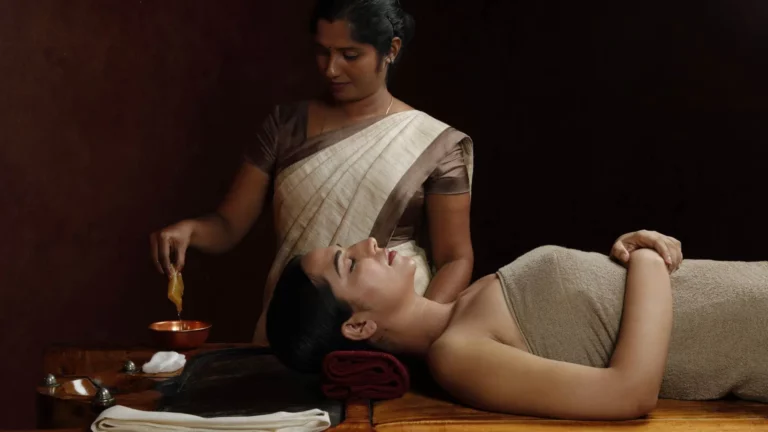
There are also spiritual retreats rooted in Buddhist, Hindu, or Christian traditions, offering teachings aligned with their philosophies. In addition, luxury wellness retreats integrate meditation with spa treatments, healthy cuisine, and fitness programs for a balanced experience. Each type serves unique goals-some encourage discipline and self-mastery, while others foster relaxation and personal rejuvenation.
Benefits of Meditation Retreats in Modern Life
In today’s fast-paced digital world, meditation retreats offer a rare chance to disconnect from technology and reconnect with oneself. Participants often report reduced stress, improved focus, and enhanced emotional regulation. By removing the constant noise of daily obligations, retreats help people develop mindfulness skills that carry over into work, relationships, and overall health.
On a deeper level, meditation retreats can improve sleep quality, lower anxiety levels, and even support physical healing by reducing the body’s stress response. Many also find that stepping away from routine environments provides a fresh perspective, allowing them to approach life with renewed clarity and purpose.
Real-World Examples of Meditation Retreats
1. Vipassana Meditation Retreats
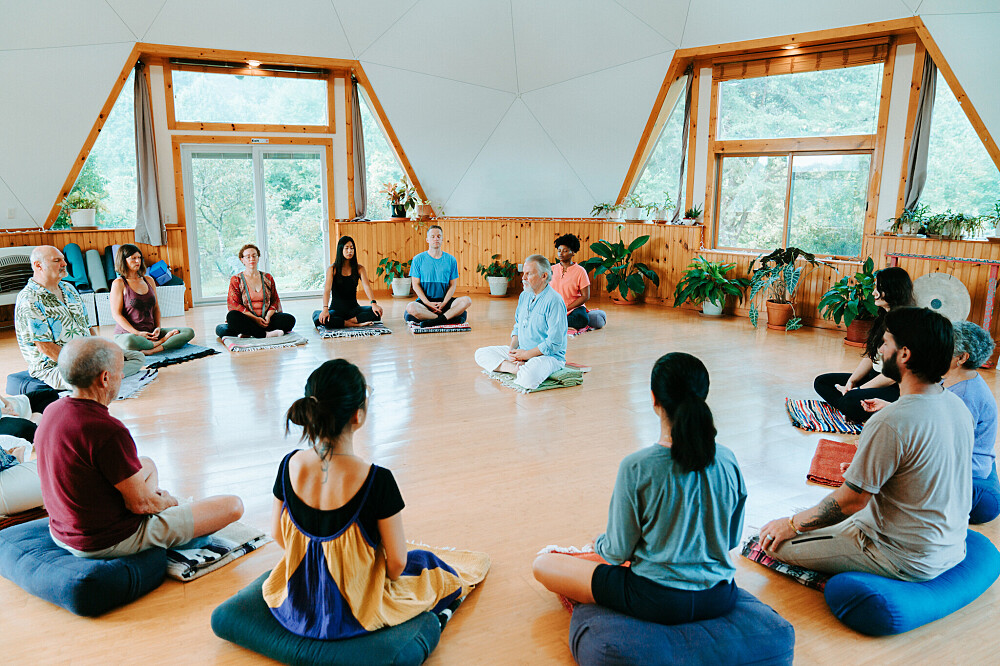
Vipassana is one of the most widely practiced forms of meditation retreat. Rooted in ancient Buddhist teachings, Vipassana retreats are typically silent and structured around a strict schedule of meditation sessions from early morning until evening. Participants commit to observing their thoughts, feelings, and bodily sensations without judgment.
These retreats can be challenging, as silence and extended meditation require discipline. However, the transformative benefits are profound, with many reporting deep emotional release, heightened mindfulness, and improved mental resilience. Vipassana retreats are particularly suited for individuals seeking intensive spiritual growth.
2. Mindfulness Retreats in Nature
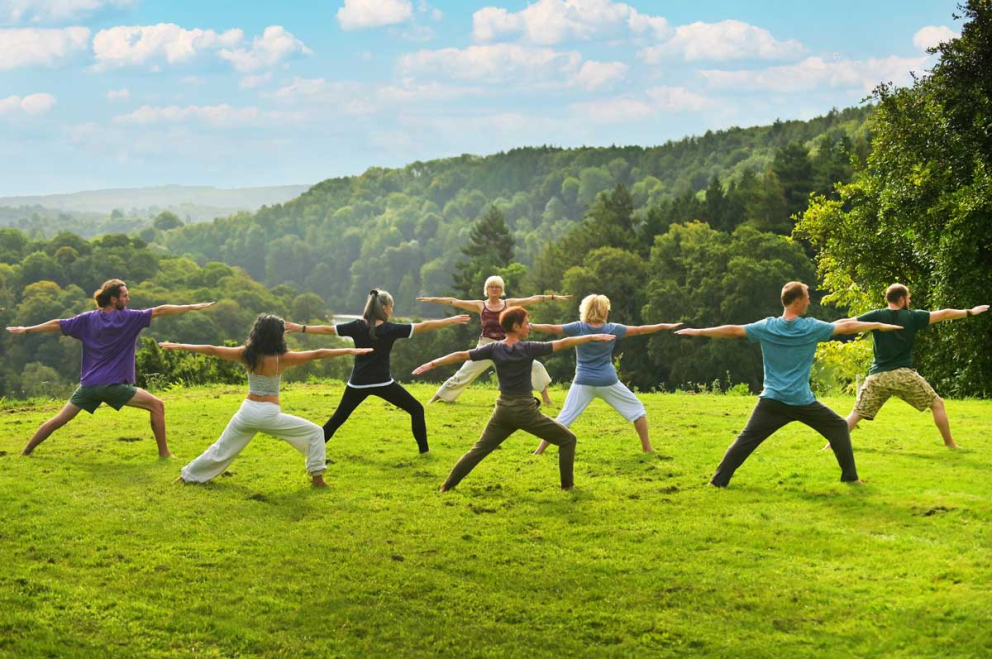
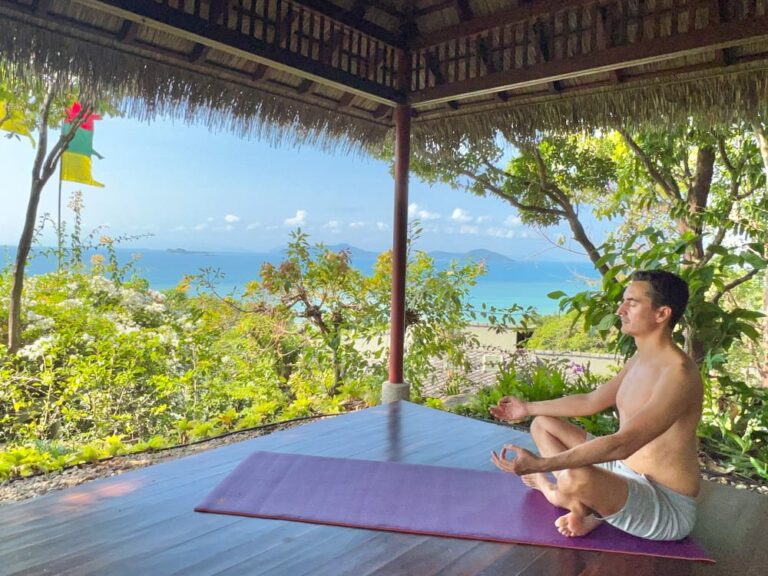
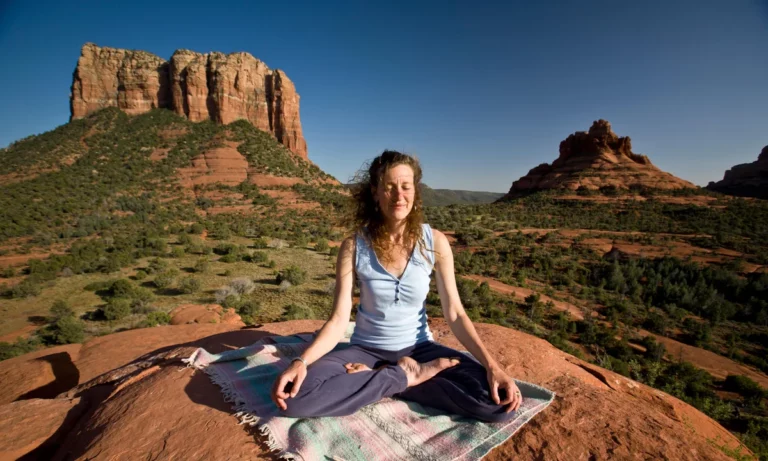
Mindfulness retreats are often held in serene natural settings such as forests, mountains, or by the ocean. These retreats emphasize present-moment awareness through meditation, mindful walking, and breathing practices. Instructors guide participants in integrating mindfulness into everyday activities like eating or observing nature.
The connection with nature amplifies the healing experience, helping participants reset their mental state while reducing the physiological effects of stress. Such retreats are ideal for those seeking a balance between meditation practice and outdoor rejuvenation.
3. Yoga and Meditation Retreats
Yoga and meditation retreats combine physical movement with mindfulness techniques. These retreats often include daily yoga classes, guided meditation, and workshops on wellness. The physical postures help release bodily tension, while meditation enhances mental calmness and emotional clarity.
They are popular among individuals seeking both physical fitness and spiritual growth. By integrating movement and stillness, these retreats cultivate harmony between the body and mind, creating lasting positive effects even after the retreat ends.
4. Spiritual Ashram Retreats
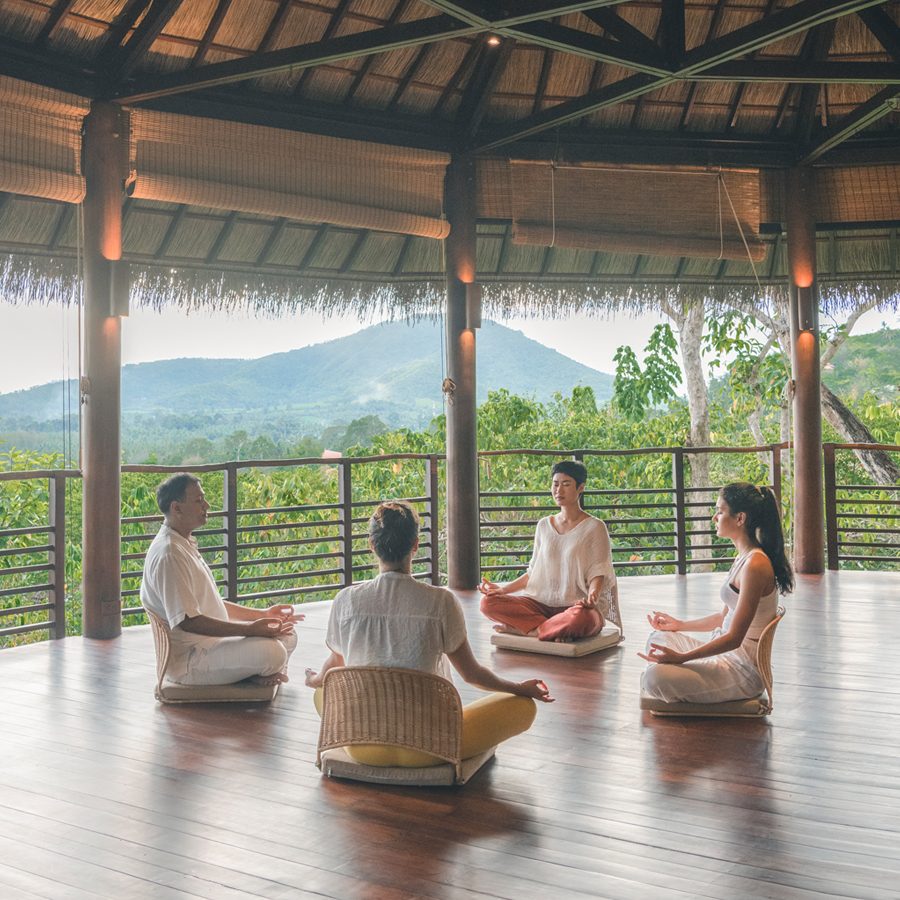
Ashram retreats, often held in India and other spiritual centers, are rooted in ancient practices of yoga, meditation, and community living. Participants immerse themselves in a disciplined lifestyle of early rising, prayer, meditation, and service. These retreats provide a structured environment for spiritual seekers to deepen their practice.
Unlike casual retreats, ashrams emphasize simplicity and devotion. They are ideal for those who wish to explore meditation in its traditional and spiritual context while experiencing authentic cultural practices.
Practical Use and Advantages of Meditation Retreats
One of the most practical advantages of it is the structured time away from distractions. Unlike self-practice at home, retreats create an immersive environment that strengthens consistency and focus. The supportive atmosphere, surrounded by like-minded participants, fosters motivation and shared growth.
Retreats also offer access to experienced teachers who guide participants through advanced techniques. This mentorship helps individuals overcome challenges in their practice while gaining deeper insight into mindfulness and self-awareness. The skills developed on retreat-such as patience, resilience, and compassion-become invaluable tools in daily life.
Real-Life Use Cases of Meditation Retreats
Serve practical purposes in solving common modern-day problems. For instance, individuals struggling with burnout from demanding careers can find relief through a retreat, regaining mental clarity and renewed energy.
Couples experiencing relationship strain often attend mindfulness retreats to reconnect through shared silence and awareness practices. Meanwhile, those dealing with anxiety or depression benefit from structured meditation routines, which help stabilize emotions and foster inner peace.
Athletes and professionals also use retreats to sharpen their mental focus. By practicing mindfulness and visualization, they improve performance while maintaining emotional balance under pressure. These examples highlight how they are more than spiritual escapes-they are real solutions to everyday challenges.
Frequently Asked Questions
Q1. What should I expect from my first meditation retreat?
Expect structured days filled with meditation sessions, guidance from instructors, and time for reflection. Many retreats involve silence, while others combine activities like yoga or mindfulness walks. Be prepared for both challenges and transformative experiences.
Q2. Are meditation retreats suitable for beginners?
Yes, many retreats welcome beginners and provide step-by-step guidance. It is important to choose a retreat that matches your comfort level-such as mindfulness or yoga-based retreats-before moving on to more intensive silent practices.
Q3. How long do meditation retreats usually last?
Retreats vary in length, from weekend getaways to multi-week programs. Short retreats are great for beginners, while longer ones allow for deeper immersion and more profound benefits.