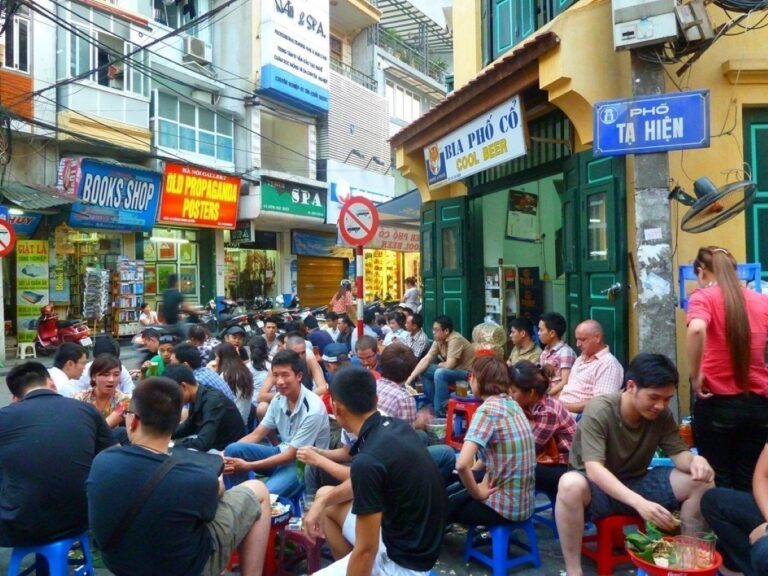
Exploring Local Food Markets Culture, Community, and Fresh Produce
Local food markets have been part of human history for centuries, serving as vibrant spaces where people gather to exchange goods, flavors, and traditions. Unlike commercial supermarkets, these markets highlight the authenticity of locally grown produce, artisanal products, and cultural experiences. They are not only food destinations but also social hubs that preserve traditions while adapting to modern needs.
For travelers, food enthusiasts, and health-conscious buyers, local food markets offer a unique insight into the lifestyle of a community. The experience goes far beyond shopping-it connects people with farmers, artisans, and small-scale producers who dedicate themselves to sustainable practices.
The Cultural Significance of Local Food Markets
Local food markets are much more than places to buy fruits and vegetables. They represent the cultural heartbeat of a community, reflecting its traditions, agricultural history, and culinary creativity.
These markets often feature regional specialties that cannot be found elsewhere, from traditional cheeses in rural villages to exotic spices in bustling city markets. By preserving these cultural treasures, local food markets become an essential part of maintaining heritage and culinary identity. They also provide travelers with authentic experiences, giving them a chance to taste foods that define a region.
Why Local Food Markets Matter in Modern Society
In today’s fast-paced world dominated by supermarkets and online grocery platforms, local food markets stand as a reminder of authenticity and sustainability. They provide communities with fresh, seasonal produce that has traveled fewer miles, ensuring both freshness and reduced environmental impact.
Local food markets also empower small farmers and producers. By purchasing directly from them, consumers help support local economies and ensure that traditions of craftsmanship and farming techniques are passed down to future generations. This direct connection between producer and consumer builds trust, transparency, and stronger community bonds.
Real-World Examples of Local Food Markets
1. Borough Market, London, United Kingdom
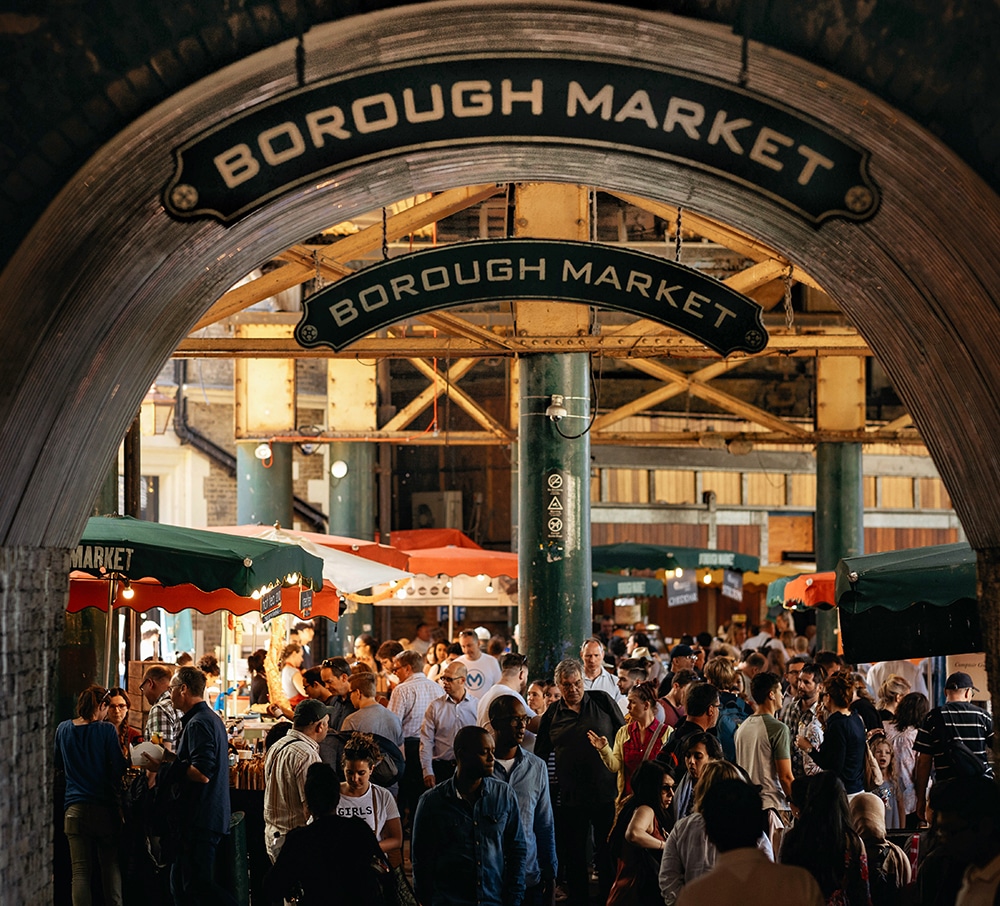
Borough Market is one of the oldest and most famous local food markets in the world, with roots tracing back to the 12th century. Located in central London, it offers a mix of traditional British produce and international delicacies. From artisan cheeses and fresh seafood to rare spices and organic vegetables, the market is a cultural melting pot. What makes Borough Market unique is its dedication to sustainable farming practices and its role as a hub for food education and innovation.
Visitors come not only for the fresh produce but also for the atmosphere. Street performers, chefs giving live demonstrations, and food historians discussing culinary traditions make it an immersive cultural experience. This market exemplifies how local food markets can adapt to global influences while preserving authenticity.
2. La Boqueria, Barcelona, Spain

La Boqueria is a historic market located on La Rambla, one of Barcelona’s most famous streets. Known for its colorful displays and Mediterranean produce, La Boqueria is a feast for the senses. Shoppers can find everything from Iberian ham and seafood to tropical fruits and Catalan sweets.
Beyond food, La Boqueria represents Catalonia’s culinary identity. For locals, it’s a daily shopping stop; for tourists, it’s a cultural attraction. Its vibrant stalls showcase how food markets can serve both practical and cultural functions, blending tradition with modern tourism. The atmosphere demonstrates how food connects people across backgrounds, languages, and lifestyles.
3. Union Square Greenmarket, New York City, USA
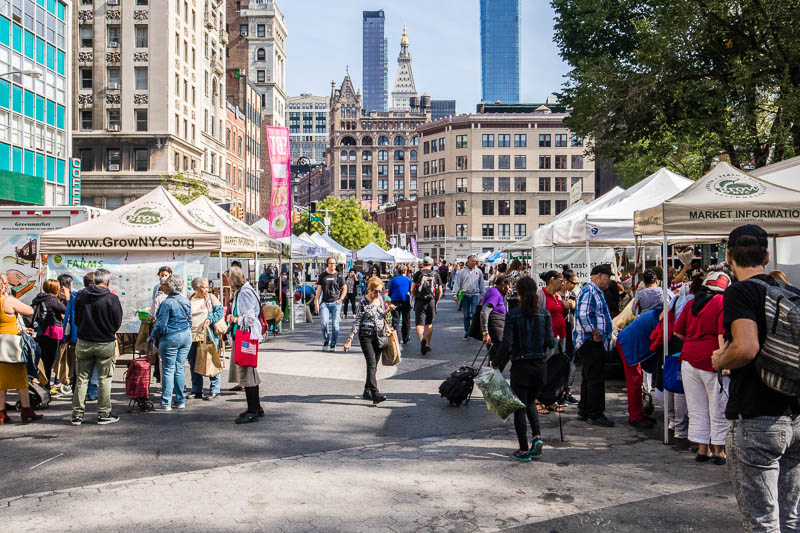
Union Square Greenmarket brings the farm-to-table movement to the heart of Manhattan. Established in the 1970s, it has grown into one of the most influential urban farmers’ markets in the United States. Farmers from across the region bring in seasonal fruits, vegetables, dairy, and meats.
What sets Union Square Greenmarket apart is its role in promoting sustainability and healthy eating. Many top chefs in New York rely on this market for sourcing ingredients, and locals value the opportunity to interact directly with farmers. It’s a perfect example of how local food markets thrive in urban environments, proving that city living and fresh, sustainable produce can coexist.
4. Or Tor Kor Market, Bangkok, Thailand
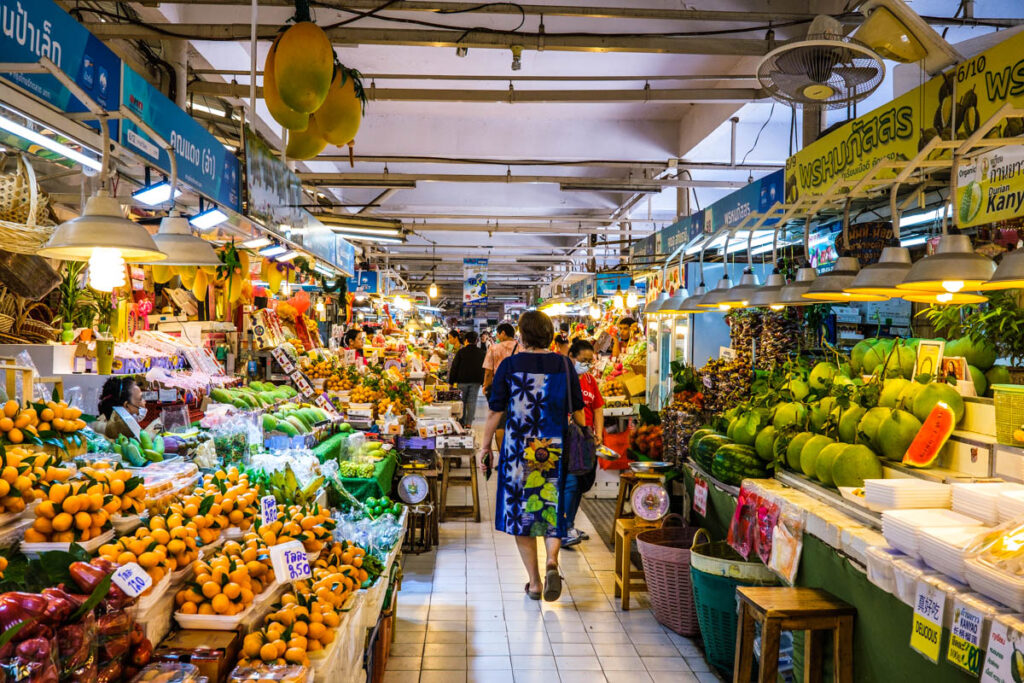
Ranked among the world’s best fresh markets, Or Tor Kor Market is known for its impeccable cleanliness and high-quality produce. Located near Bangkok’s Chatuchak area, it offers exotic fruits like durian and mangosteen, fresh seafood, Thai desserts, and aromatic spices.
Unlike traditional wet markets, Or Tor Kor blends modern organization with authentic Thai culture. It represents the role of food markets in preserving regional flavors while catering to international visitors. For travelers, it’s not just a market but also a gateway to understanding Thai cuisine and agricultural practices.
Benefits of Local Food Markets
Fresher and Healthier Produce
One of the biggest advantages of shopping at local food markets is the freshness of the produce. Fruits and vegetables are often harvested only hours before being sold, retaining maximum nutrients and flavor. Unlike supermarket goods that travel thousands of miles, local market produce maintains a higher quality and taste.
Supporting Local Farmers and Artisans
Local food markets provide fair opportunities for small-scale farmers and artisans who often struggle to compete with large corporations. Every purchase supports local livelihoods and ensures that traditional farming practices survive. This creates stronger and more resilient local economies.
Reducing Environmental Impact
Because the food travels shorter distances, local markets help reduce carbon emissions linked to transportation. Seasonal availability also encourages consumers to eat in harmony with nature, promoting a more sustainable lifestyle.
Cultural and Social Benefits
Act as community spaces where people gather, share stories, and exchange culinary traditions. They preserve local identity while opening doors to cultural diversity.
Use Cases of Local Food Markets in Real Life
For Travelers Seeking Authentic Experiences
Tourists visiting new destinations often search for authentic cultural encounters. provide exactly that. They offer opportunities to taste regional specialties, interact with locals, and learn about a place’s heritage.
For Health-Conscious Families
Families looking for organic, chemical-free produce turn to local markets for fresh fruits, vegetables, and dairy. It ensures better nutrition and fosters trust in the source of food.
For Chefs and Culinary Enthusiasts
Professional chefs and home cooks alike benefit from local markets. They can source unique, seasonal ingredients to create authentic dishes. It’s also an educational experience, allowing culinary enthusiasts to discover new flavors and techniques.
For Urban Communities
In large cities where processed food dominates, reconnect people with natural produce. They serve as urban green zones where communities rediscover the importance of sustainable and healthy food.
Frequently Asked Questions
Q1. What makes local food markets different from supermarkets?
Offer fresher, seasonal produce sourced directly from farmers and artisans, unlike supermarkets that rely on mass production and long supply chains. They also provide a cultural and community experience.
Q2. Are local food markets sustainable?
Yes. By reducing transportation distances, supporting small-scale farming, and promoting seasonal eating, contribute significantly to sustainability and reduced carbon footprints.
Q3. Can tourists visit local food markets easily?
Absolutely. Many around the world are open to tourists and are often highlights of travel itineraries. They provide authentic experiences and insights into regional culture and cuisine.