Gourmet Travel Experiences A Complete Guide to Culinary Journeys Around the World
Gourmet travel experiences go far beyond simply eating in a new location. They represent a form of immersive tourism where food becomes the central theme of exploration. Travelers seek not only to taste new flavors but to understand the cultural, historical, and social narratives behind those dishes. This form of tourism connects the act of eating with education, storytelling, and cultural immersion.
In many ways, gourmet travel experiences are a gateway to appreciating a country’s identity. From truffle hunting in Italy to tasting aged wines in France or exploring bustling street food markets in Asia, each journey blends gastronomy with travel adventure. What makes it unique is the opportunity to interact with local chefs, farmers, winemakers, and artisans, gaining behind-the-scenes knowledge of the culinary world.
Why Gourmet Travel Experiences Matter
The rise of gourmet travel reflects how modern travelers prioritize experiences over possessions. People are increasingly investing in memories tied to senses-taste, smell, and sight-rather than physical items. Food is universal, yet the preparation, presentation, and traditions behind it vary across regions. This makes gourmet travel one of the most enriching ways to explore the world.
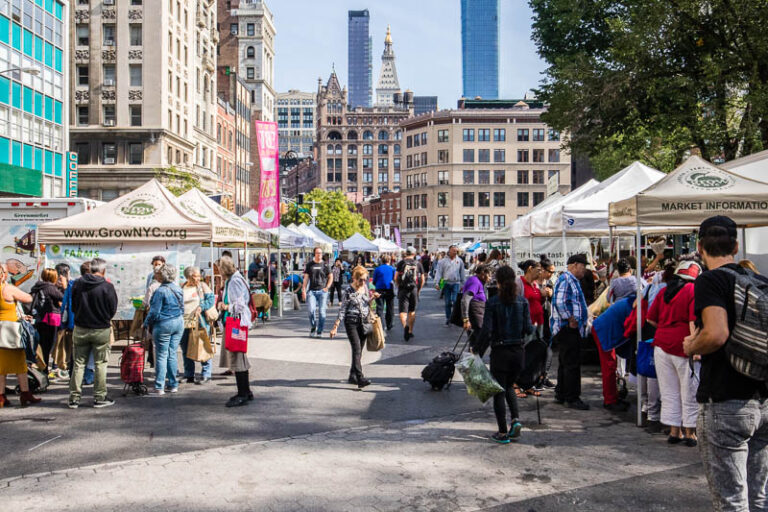
Another important aspect is that gourmet travel experiences often support local communities. By visiting family-owned restaurants, traditional markets, and artisanal farms, travelers contribute to sustaining local economies. These journeys allow travelers to form genuine connections with communities while enjoying world-class cuisine.
Real-World Examples of Gourmet Travel Experiences
1. Tuscan Wine and Culinary Tours in Italy

One of the most iconic gourmet travel experiences is found in Tuscany, Italy. Here, travelers immerse themselves in vineyards, olive groves, and rustic farmhouses. Visitors often take part in cooking classes where they learn to prepare fresh pasta, pair local wines with regional dishes, and understand the heritage of Italian cuisine. Tuscany is also famous for truffle hunting experiences, where trained dogs help locate these rare delicacies, followed by gourmet tasting sessions.
What makes Tuscany particularly appealing is its ability to combine food with culture. Ancient villages, Renaissance art, and traditional kitchens create a backdrop that transforms a simple meal into a journey through history. This blend of flavors and culture elevates Tuscany into one of the most desirable gourmet travel destinations.
2. Street Food Adventures in Bangkok, Thailand
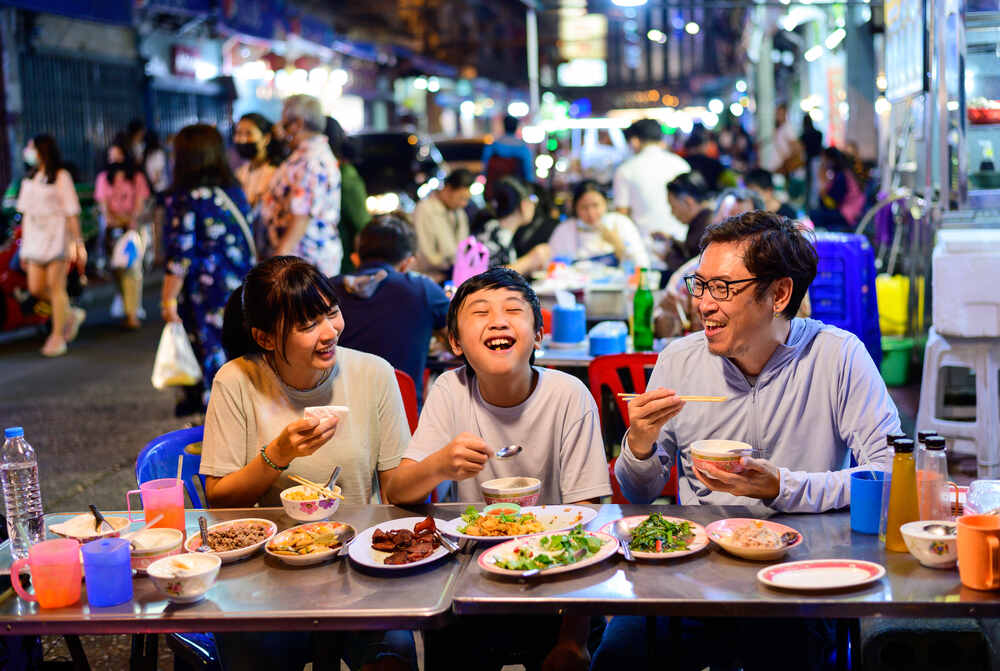
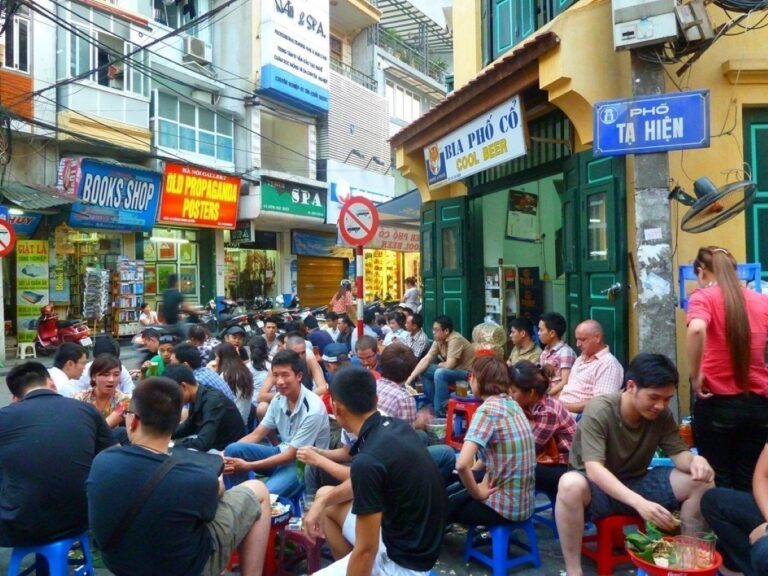
For travelers seeking vibrant flavors, Bangkok is an essential destination. Its street food culture is internationally recognized, offering dishes that blend spice, sweetness, and rich textures. From pad Thai to mango sticky rice, each dish reflects centuries of culinary evolution influenced by trade and migration.
Guided street food tours allow travelers not only to taste but also to understand the significance of each dish within Thai culture. Travelers often visit local markets, meet street vendors, and learn how these small businesses thrive in a dynamic environment. Bangkok’s gourmet travel experiences prove that luxury is not always tied to fine dining-it can also be found in the authenticity of street food traditions.
3. Wine and Cheese Journeys in Bordeaux, France
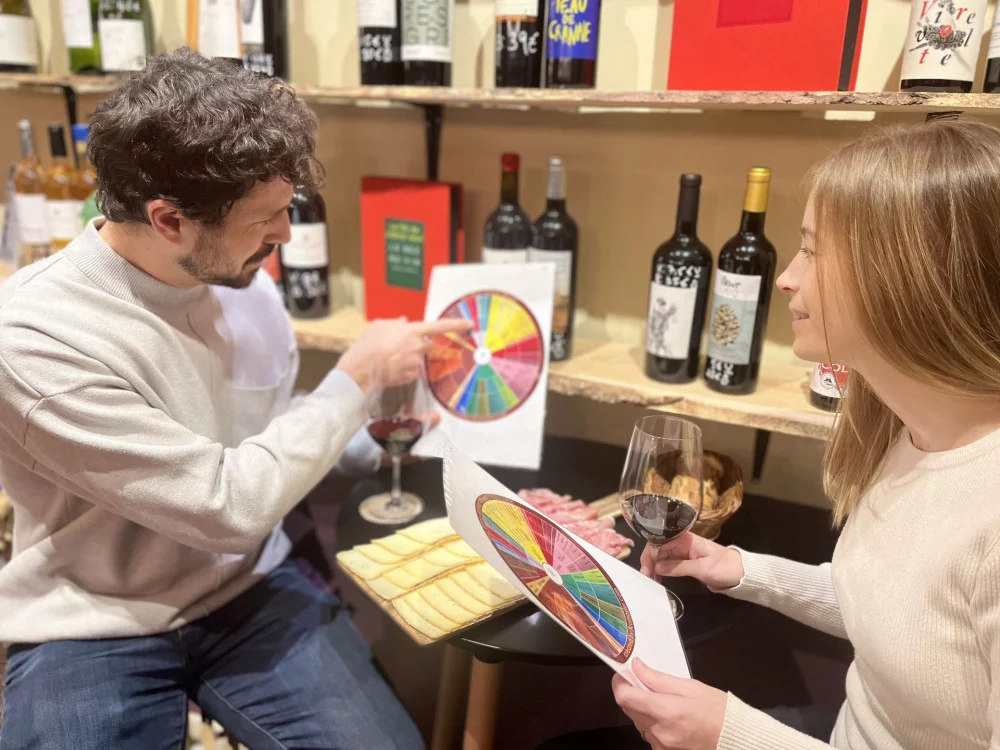
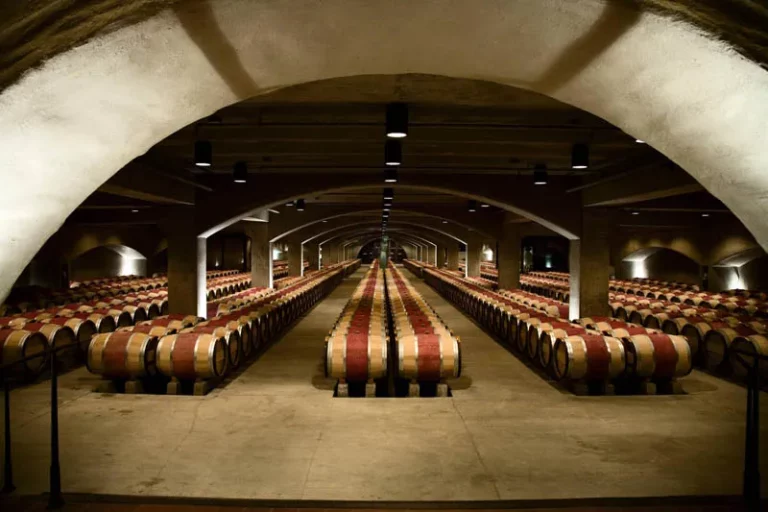
Bordeaux is synonymous with fine wines, but its gourmet travel experiences go deeper than simple tastings. Visitors are introduced to the art of winemaking, exploring the vineyards, fermentation cellars, and aging processes in oak barrels. Pairing these wines with artisanal cheeses curated by local experts provides a deeper appreciation of French gastronomy.
The Bordeaux region demonstrates how gourmet travel can merge sophistication with education. Guests learn not only how to taste wine but also how soil, climate, and tradition influence every bottle. The journey becomes a masterclass in flavor profiles, offering insights into how local culture shapes global culinary reputations.
4. Sushi Tasting Experiences in Tokyo, Japan
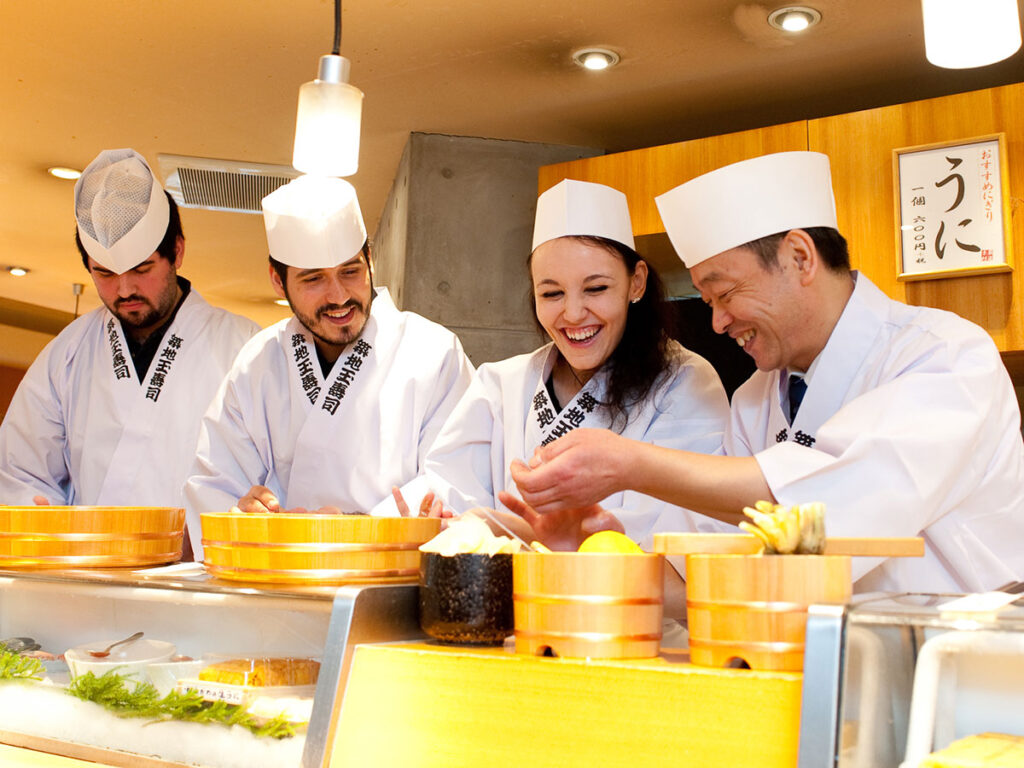
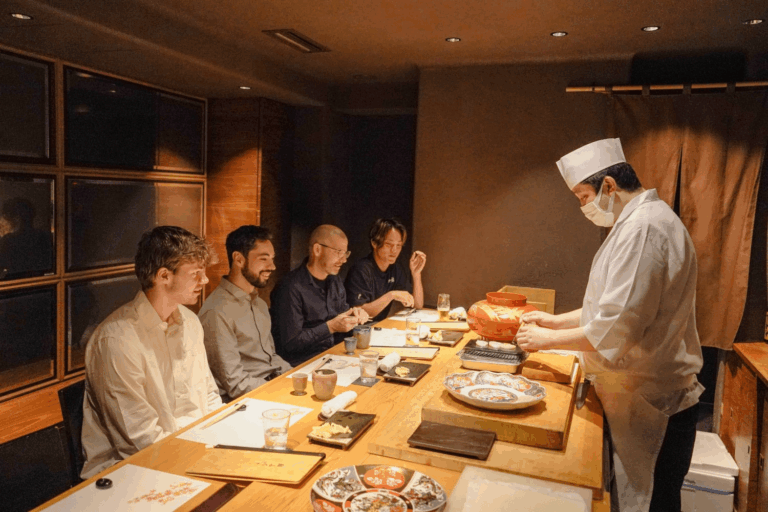
Japan is renowned for its culinary precision, and Tokyo offers one of the most refined gourmet travel experiences in the world-sushi tasting. At exclusive sushi bars, travelers watch as master chefs craft each piece with meticulous attention to detail. These experiences often include lessons about the fish market, knife skills, and the philosophy behind Japanese dining.
Sushi tasting in Tokyo demonstrates how food can embody art. The experience emphasizes respect for ingredients, cultural values, and presentation. This type of gourmet journey appeals to travelers who value craftsmanship and culinary traditions rooted in centuries of refinement.
The Role of Technology in Enhancing Gourmet Travel
Technology has significantly shaped the way gourmet travel experiences are designed and enjoyed. Today, travelers can research culinary destinations, book specialized food tours, and even preview menus before arrival. Mobile apps and digital platforms connect tourists directly with local chefs, tour operators, and artisans.
Virtual experiences also bridge geographical barriers. For example, virtual cooking classes allow participants to learn regional recipes from home, guided by chefs in real time. Augmented reality in museums and vineyards adds another layer, helping travelers visualize the journey from farm to table. Technology, therefore, enhances both accessibility and immersion, ensuring that gourmet travel experiences reach a wider audience.
Benefits of Gourmet Travel Experiences
One of the most significant benefits of gourmet travel is cultural immersion. Unlike sightseeing, where travelers observe, food-centered experiences invite active participation. By tasting, cooking, and interacting with locals, travelers develop a deeper sense of connection.
Additionally, gourmet travel experiences encourage mindfulness. Meals are no longer rushed but savored, with attention given to flavors, textures, and traditions. This focus promotes well-being, reduces stress, and enriches the overall travel journey. On a broader scale, such experiences contribute to sustainable tourism by valuing authenticity over mass production.
Use Cases of Gourmet Travel Experiences
For couples, gourmet travel offers romantic opportunities. A private vineyard dinner in Italy or a cooking class in Paris can transform an ordinary trip into a memorable milestone.
For families, these journeys offer educational value. Children can learn where their food comes from, how it is prepared, and why traditions matter. Such lessons foster appreciation for cultural diversity and healthy eating habits.
For solo travelers, gourmet journeys provide opportunities for community. Sharing meals and stories with strangers often leads to friendships and meaningful social interactions.
In every scenario, gourmet travel experiences solve a common challenge in tourism: how to create meaningful, lasting memories. They transform travel into a multi-sensory adventure that extends beyond photographs and souvenirs.
Frequently Asked Questions
Q1. What is the main difference between gourmet travel and regular travel?
Gourmet travel focuses primarily on food as the central theme, offering immersive culinary experiences such as cooking classes, tastings, and cultural exploration. Regular travel may include food as part of the journey, but not as the core purpose.
Q2. Are gourmet travel experiences only for luxury travelers?
No. While some experiences include fine dining and exclusive tours, many gourmet journeys-such as street food tours-are accessible and affordable. The emphasis is on authenticity and cultural immersion rather than price.
Q3. How can technology improve gourmet travel experiences?
Technology enables travelers to discover culinary opportunities, book experiences easily, and engage in virtual or augmented reality tours. It also provides educational resources, connecting people with chefs, guides, and cultural experts worldwide.