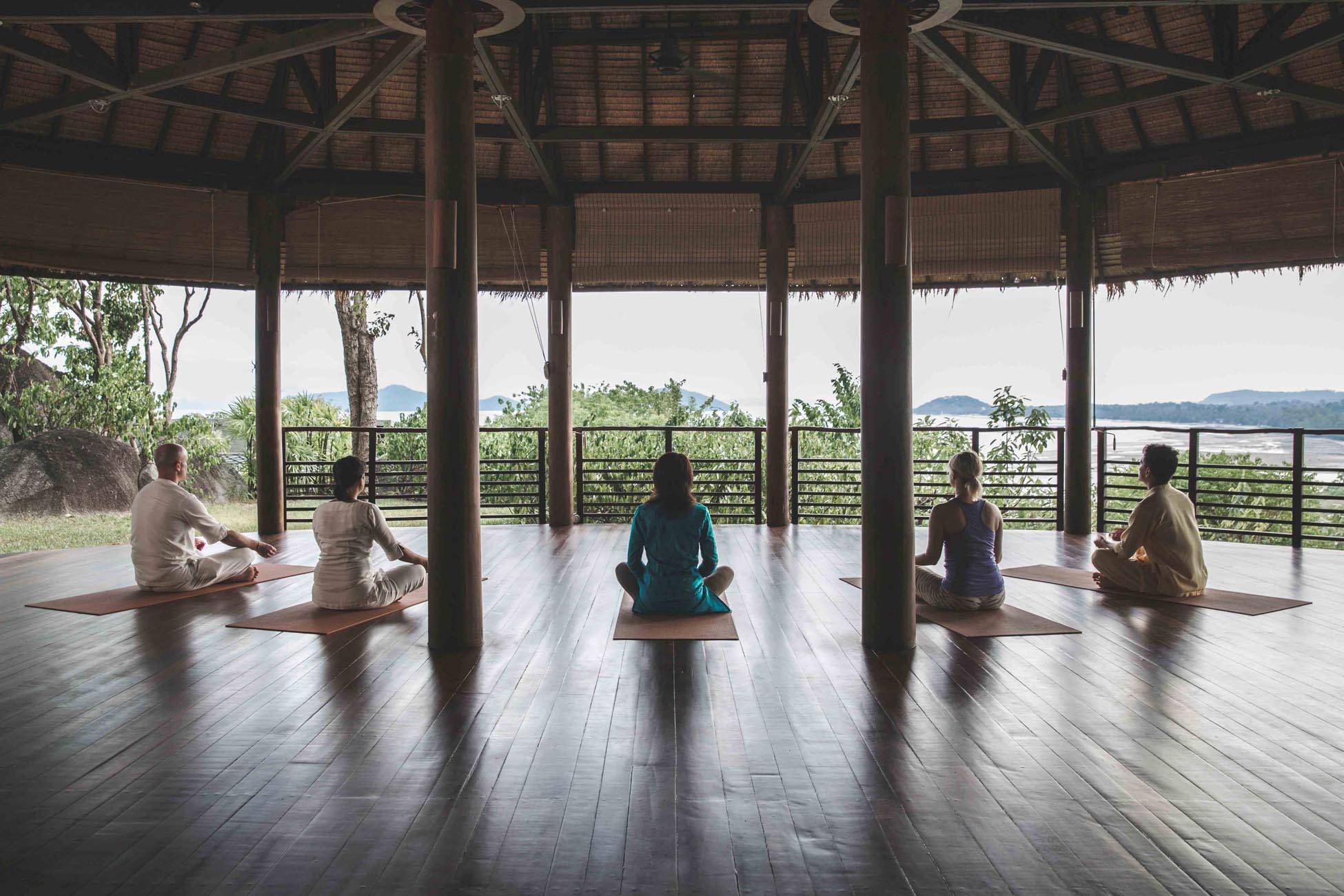
Digital Detox Retreats A Complete Guide to Recharging Your Mind and Body
In today’s fast-paced, hyperconnected world, the constant use of smartphones, laptops, and digital platforms has become unavoidable. While technology brings convenience, it also leads to digital fatigue, anxiety, and an overstimulated mind. This is where digital detox retreats come in. These retreats are designed to help people unplug from technology, reconnect with themselves, and embrace mindfulness in a calm, natural environment.
Digital detox retreats are wellness-focused programs where participants voluntarily disconnect from electronic devices. Typically set in serene natural locations, they emphasize relaxation, meditation, and mindful living. Guests are encouraged to focus on face-to-face interactions, outdoor activities, and self-reflection rather than being glued to screens.
Why Digital Detox Retreats Are Becoming Popular
The rise of burnout, insomnia, and anxiety linked to excessive screen time has driven interest in these retreats. Professionals, students, and families alike are realizing the need to escape digital noise and regain balance. The increasing popularity of remote work has further blurred the line between personal and professional life, making people crave an intentional break from technology.
Many retreats are designed not only for relaxation but also for long-term lifestyle improvements. Participants often return home with new habits such as setting screen-time boundaries, practicing mindfulness, and prioritizing self-care. This shift makes digital detox retreats more than just a temporary escape-it’s a sustainable wellness strategy.
Key Benefits of Digital Detox Retreats
Stress Reduction and Mental Clarity
One of the most profound benefits of digital detox retreats is stress relief. The absence of constant notifications allows the brain to rest, reducing mental overload. This leads to improved focus, clearer thinking, and better emotional regulation. When technology is removed, individuals often find it easier to be present in the moment, which enhances relaxation.
Improved Sleep Quality
Blue light from screens is known to disrupt circadian rhythms, leading to poor sleep. By stepping away from digital devices, retreat participants experience deeper, more restorative sleep. This contributes to improved mood, energy levels, and overall well-being.
Reconnection with Nature
Most retreats are hosted in natural settings such as forests, beaches, or mountains. Immersing oneself in nature has been scientifically proven to lower blood pressure, improve immune function, and increase happiness. Digital detox retreats harness these benefits by combining screen-free living with outdoor exploration.
Strengthened Relationships
By removing digital distractions, participants often engage in more meaningful face-to-face conversations. Whether with other retreat attendees or with family members, the lack of devices fosters genuine human connections.
Real-World Examples of Digital Detox Retreats
1. Shambhala Mountain Center – Colorado, USA

This retreat combines mindfulness practices with a digital detox policy. Guests are encouraged to leave their devices behind while participating in yoga, meditation, and silent reflection. The mountain setting provides an ideal backdrop for deep relaxation. Visitors often report improved concentration and a renewed appreciation for offline living.
2. Gaia Retreat and Spa – Byron Bay, Australia

Co-founded by Olivia Newton-John, this retreat emphasizes holistic healing. While technology use is limited, guests are guided through spa treatments, organic meals, and nature walks. The focus is on balancing physical health with mental calm, allowing visitors to reset and return to daily life more centered.
3. Kamalaya Wellness Sanctuary – Koh Samui, Thailand
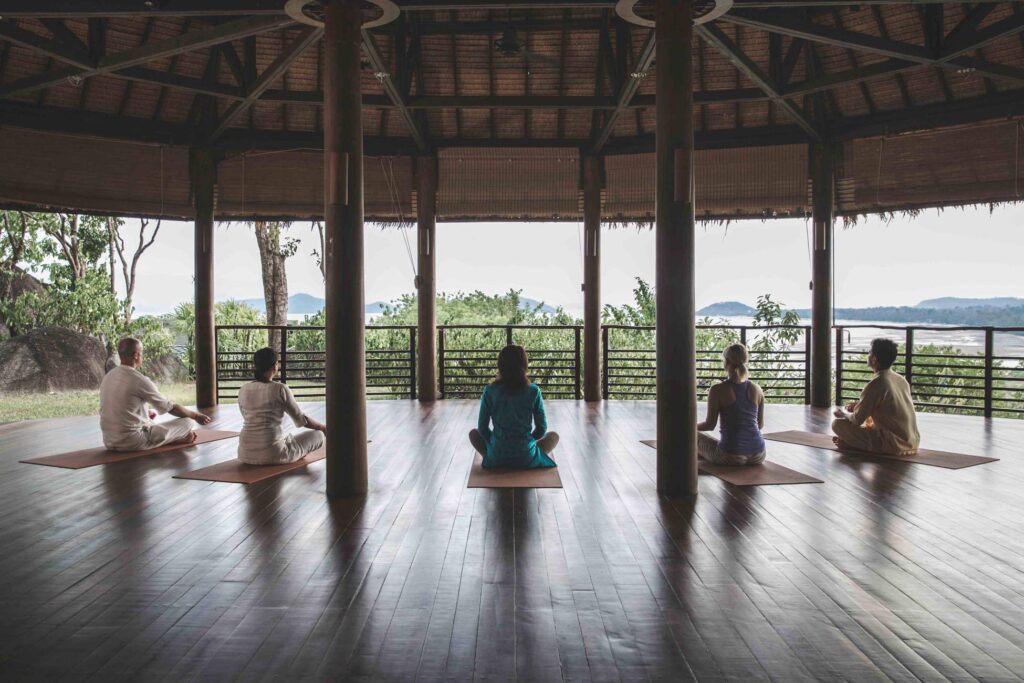
Kamalaya offers specialized digital detox programs tailored to individuals struggling with tech overuse. Guests receive consultations from wellness experts and practice guided mindfulness sessions. The tropical island setting makes it easy to embrace nature and leave behind digital distractions.
4. Eremito Retreat – Umbria, Italy

This retreat is often described as a “modern-day monastery.” Guests stay in minimalist rooms without Wi-Fi, television, or phones. The goal is complete immersion in silence, reflection, and slow living. Its simplicity is the main draw, helping visitors rediscover joy in the present moment.
Use Cases of Digital Detox Retreats in Real Life
Corporate Burnout Recovery
Professionals suffering from work-related stress often find relief in digital detox retreats. Without the constant buzz of emails and notifications, they can decompress, regain focus, and return to their careers more productive. Companies have even begun to sponsor such retreats for employees to improve workplace wellbeing.
Family Bonding
Families overwhelmed by technology distractions use digital detox retreats to reconnect. Without screens, parents and children spend more quality time together, engaging in activities like hiking, cooking, or storytelling. This strengthens family bonds and creates lasting memories.
Mental Health Support
Digital overload is linked to anxiety, depression, and attention problems. Retreats provide a structured break from triggers such as social media, allowing participants to practice mindfulness and improve emotional resilience. For many, it becomes an important step in managing mental health.
Creativity Boost for Artists and Writers
For creatives, a retreat without distractions often sparks inspiration. Many writers, musicians, and artists use these programs to reset their minds and access fresh ideas. The absence of screens provides the quiet needed for imagination to flourish.
How Technology Enhances the Benefits of Retreats
Although digital detox retreats emphasize disconnecting from devices, technology still plays an indirect role in enhancing the experience. For example, wellness apps and guided meditation recordings are sometimes introduced before or after the retreat to help maintain new habits. Some retreats also use data-driven wellness assessments to personalize mindfulness programs. This careful use of technology ensures participants receive ongoing support without undermining the detox process.
The Long-Term Impact of Attending a Digital Detox Retreat
The benefits of these retreats extend far beyond the days spent offline. Attendees often leave with:
-
Stronger habits around technology boundaries.
-
A deeper appreciation for mindfulness and present living.
-
Improved relationships due to better communication and focus.
-
Reduced dependence on digital devices.
These lifestyle shifts create sustainable wellness improvements that last well after the retreat ends.
Frequently Asked Questions
Q1. What is the purpose of a digital detox retreat?
A digital detox retreat helps participants disconnect from technology, reduce stress, and focus on mindfulness, nature, and real-world connections. The goal is to restore balance and improve overall well-being.
Q2. How long do digital detox retreats usually last?
They can range from a weekend to several weeks. Short programs provide a quick reset, while longer retreats support deeper lifestyle changes.
Q3. Do I have to completely give up technology during the retreat?
Most retreats strongly encourage leaving devices behind, though some allow limited use for emergencies. The intention is to minimize screen exposure as much as possible to maximize benefits.