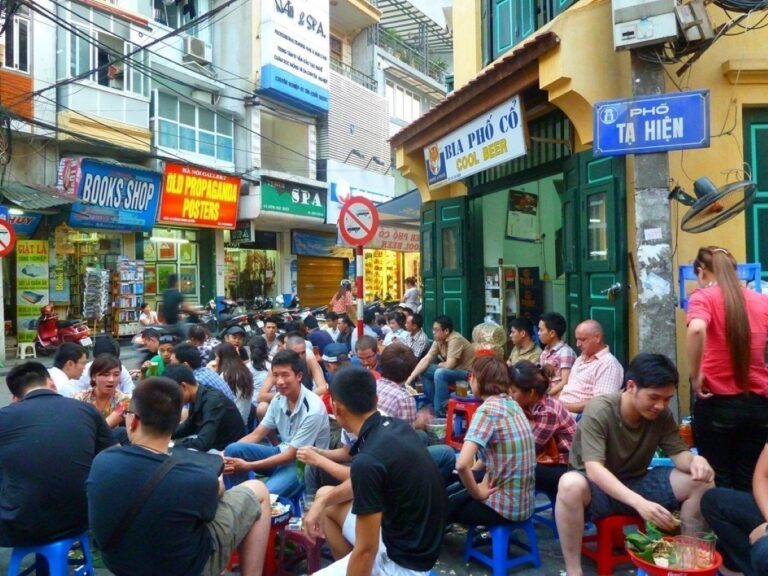
Culinary Travel Packages Discover the Best Food-Focused Journeys Around the World
Culinary travel packages are designed for travelers who want to explore the world through its flavors. Rather than simply sightseeing, these experiences immerse you in the food culture of a destination-giving you opportunities to taste authentic dishes, learn traditional cooking techniques, and meet local chefs. Culinary travel has become one of the most popular forms of experiential tourism because it combines leisure with cultural immersion.
Unlike standard vacations, culinary-focused packages are curated with food as the central theme. These packages often include guided market tours, cooking classes, vineyard visits, and fine dining experiences. The purpose is not just to eat well but to gain a deeper understanding of how food shapes traditions, communities, and history.
Why Culinary Travel Is Growing in Popularity
Culinary travel is not just a niche interest anymore. With the rise of food tourism, travelers want more than just sightseeing-they want meaningful encounters with local lifestyles. Tasting traditional street food in Bangkok, sipping wine in Tuscany, or learning to make paella in Valencia provides a richer connection to a place.
Another reason for its popularity is social media. Sharing food experiences through photos and stories has become an integral part of travel. Culinary travel packages cater perfectly to this trend by offering photogenic settings, unique flavors, and authentic cultural engagement. It’s a way of making memories that go beyond the usual tourist trail.
Real-World Examples of Culinary Travel Packages
1. Italian Wine and Pasta Tour in Tuscany

One of the most iconic culinary travel experiences is a food and wine tour in Tuscany, Italy. Travelers embark on a journey through the rolling hills of Chianti, visiting vineyards where they can sample world-class wines directly from the source. The package often includes pasta-making classes where chefs guide guests through the process of handcrafting tagliatelle or ravioli.
This type of experience highlights the essence of culinary travel-connecting people not just to food, but to the traditions behind it. Participants learn why Tuscan wines are so special, how regional ingredients shape Italian cuisine, and how centuries-old traditions are preserved in modern kitchens.
2. Street Food and Cooking in Bangkok
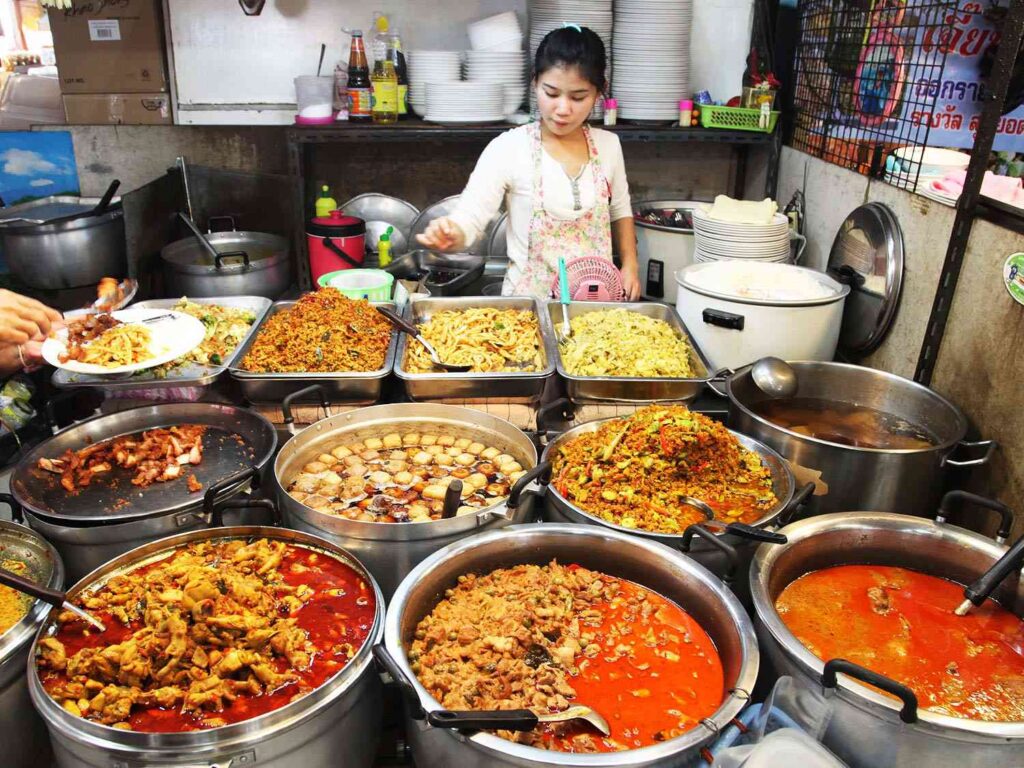
Thailand’s capital is one of the world’s greatest food destinations. Culinary travel packages in Bangkok often combine guided street food tours with hands-on cooking classes. Guests might stroll through bustling night markets, tasting everything from mango sticky rice to grilled satay. Then, they may join local chefs in a cooking school to learn how to balance flavors in iconic Thai dishes like tom yum soup and green curry.
Such packages give travelers both the tasting experience and the skills to recreate dishes at home. It bridges the gap between being a tourist and becoming part of a local community, even if only for a short time.
3. Culinary and Cultural Exploration in Morocco
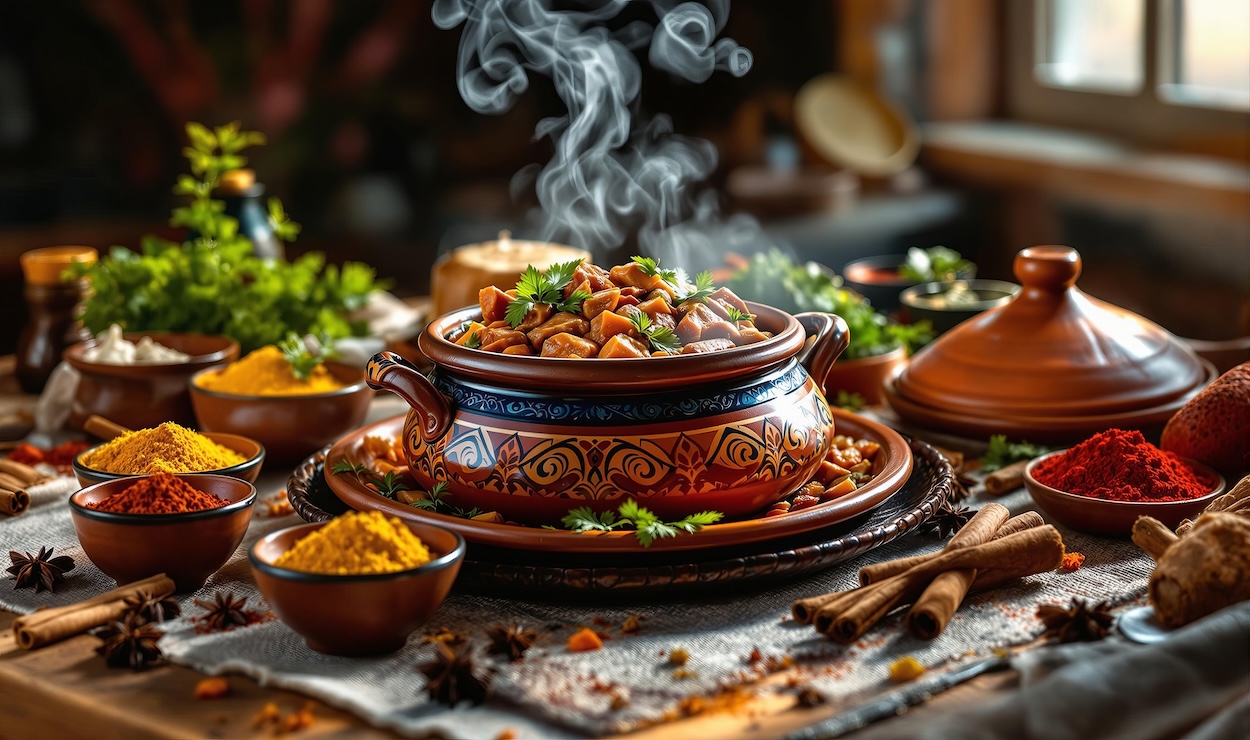
In Morocco, culinary travel packages often include visits to spice markets, traditional cooking demonstrations, and meals in family homes. Travelers may start with a guided walk through the souks of Marrakech, learning about the spices that define Moroccan cuisine. Later, they might participate in preparing tagine or couscous with local families.
This package combines food with cultural storytelling. It allows participants to understand how Moroccan hospitality and cuisine are deeply intertwined. The act of sharing a meal becomes a window into local values, making it a profound cultural exchange.
4. Gourmet Adventure in France’s Provence Region

France remains a cornerstone of culinary travel, and packages in Provence are among the most sought-after. These often include vineyard tours, cheese tastings, and visits to lavender farms that add a sensory layer to the food journey. Travelers may also explore Michelin-starred restaurants, where chefs reinterpret traditional French cuisine.
What makes Provence special is the balance between rustic traditions and fine dining. Guests gain insight into how terroir, climate, and history influence everything from wine production to regional dishes like bouillabaisse.
Benefits of Culinary Travel Packages
Culinary travel packages offer several advantages beyond the pleasure of eating well. One key benefit is cultural immersion. Food is often described as the universal language, and by engaging with local cuisines, travelers gain authentic insights into traditions and values.
Another benefit is the skillset acquired during the journey. Learning cooking techniques from local experts allows travelers to bring part of the experience back home. The hands-on approach makes these trips more memorable compared to passive sightseeing tours.
Culinary travel also enhances well-being. Savoring meals slowly, appreciating farm-to-table freshness, and sharing food with others creates a sense of mindfulness and connection. It encourages travelers to slow down and truly experience the destination.
How Technology Enhances Culinary Travel Experiences
Technology plays a growing role in shaping culinary travel packages. Mobile apps and virtual platforms allow travelers to preview experiences, read reviews, and even join virtual cooking classes before their journey. Augmented reality can bring food history to life during tours, while translation apps make it easier to navigate local markets.
Additionally, digital photography and social platforms enhance how travelers share their culinary journeys. Posting food adventures online has become part of the travel experience itself, inspiring others and creating communities centered on shared passions.
Use Cases When Culinary Travel Packages Make Sense
Couples Seeking Romantic Experiences
Culinary packages are perfect for couples who want more than just sightseeing. A vineyard dinner in Tuscany or a sunset cooking class in Santorini creates memories rooted in shared experiences. These trips bring romance and intimacy to travel through food.
Families Looking for Educational Trips
For families, culinary travel can be educational. Children and parents alike can learn about food sourcing, cooking methods, and cultural traditions. This makes travel more interactive and gives young travelers lessons that extend beyond the classroom.
Solo Travelers Wanting Connection
Solo travelers often find culinary packages rewarding because they provide structured social opportunities. Cooking classes and group tours foster interaction, making it easier to connect with locals and fellow travelers. Food becomes the bridge for building friendships on the road.
Professionals Seeking Relaxation and Inspiration
For professionals, culinary travel can be both a retreat and a source of inspiration. Experiencing new flavors may spark creativity, while immersive cooking activities provide stress relief. These packages combine leisure with enrichment, making them ideal for a refreshing escape.
Frequently Asked Questions
Q1. What makes culinary travel packages different from standard tours?
Culinary travel packages focus on food as the central theme, combining sightseeing with immersive food-related experiences like cooking classes, market tours, and tastings. They offer cultural depth that standard tours usually lack.
Q2. Are culinary travel packages suitable for beginners with no cooking experience?
Yes. These packages are designed for all levels. Many include guided experiences where professional chefs and local hosts walk participants through the steps. The focus is on enjoyment and cultural learning rather than technical expertise.
Q3. Do culinary travel packages only cover luxury experiences?
Not always. While there are luxury gourmet tours, many packages are designed to be accessible. They range from street food adventures to fine dining journeys, catering to different budgets and interests.