Cooking Classes A Complete Guide to Culinary Learning and Experiences
Cooking classes are more than just a way to learn how to prepare delicious meals-they are an immersive journey into culture, creativity, and community. With growing global interest in food culture, culinary education has expanded from professional training programs to widely accessible cooking lessons for beginners, families, and food enthusiasts. Whether online or in-person, these classes allow people to develop essential life skills, connect with others, and explore new cuisines from the comfort of their kitchens or professional environments.
Today, cooking classes are offered in multiple formats: traditional cooking schools, workshops hosted by chefs, online platforms with interactive streaming, and even travel-based culinary tours. Each option provides a different learning style, tailored for skill levels ranging from novices to advanced home chefs.
The Evolution of Cooking Classes
Cooking lessons have existed for centuries, but the modern concept has evolved dramatically. In earlier times, culinary knowledge was typically passed down within families. Over time, cooking schools emerged as formal institutions for aspiring chefs. However, in recent decades, the rise of the internet and global travel has expanded the possibilities for anyone interested in cooking.
Online platforms now connect learners with professional chefs worldwide, offering lessons in baking, regional cuisines, or specific cooking techniques. Meanwhile, experiential travel packages often include cooking workshops where participants learn about local dishes while immersing themselves in a culture. This blend of education, technology, and cultural exchange has made cooking classes a mainstream activity enjoyed by millions.
Benefits of Cooking Classes
Cooking classes offer a wide range of practical and personal benefits that extend beyond learning recipes.
Enhancing Culinary Skills
Cooking classes provide structured guidance, allowing learners to master new skills step by step. From knife-handling techniques to advanced pastry-making, classes ensure that participants gain hands-on experience and confidence.
Healthier Lifestyle Choices
By learning to cook at home, individuals often make healthier food choices. Classes frequently focus on fresh ingredients, portion control, and balanced meals, empowering participants to reduce reliance on processed or fast foods.
Building Confidence and Creativity
Cooking is a form of art. Classes encourage experimentation, helping students discover flavor pairings, plating techniques, and creative approaches to everyday cooking. This boosts self-confidence in the kitchen and turns meal preparation into an enjoyable process rather than a chore.
Cultural Appreciation
Many cooking classes highlight international cuisines, enabling participants to experience global flavors and traditions. This cultural immersion deepens appreciation for diverse food practices and fosters global connections.
The Role of Technology in Cooking Classes
Technology has transformed the way people learn to cook, making culinary education more accessible and interactive.
Online Learning Platforms
Streaming services and interactive cooking platforms allow participants to join live sessions with chefs, ask questions in real time, and receive instant feedback. This digital format brings professional expertise directly into home kitchens.
Mobile Applications and Recipe Integration
Apps now integrate cooking class experiences by providing guided recipes, video tutorials, and even AI-powered assistants that suggest ingredient substitutions or portion adjustments. These tools make cooking easier, especially for beginners.
Virtual Reality and Immersive Experiences
Emerging technologies like VR offer immersive cooking experiences where learners can simulate cooking environments, interact with 3D ingredients, and practice techniques before trying them in real life.
Real-World Examples of Cooking Classes
1. MasterClass with Gordon Ramsay

MasterClass has become a popular platform for learning specialized skills, and Gordon Ramsay’s cooking lessons are among the most famous. His classes guide learners through fundamental cooking techniques, such as preparing pasta from scratch or perfecting knife skills. The value lies not only in learning from a world-renowned chef but also in the structured lessons that inspire both beginners and advanced learners.
2. Sur La Table Cooking Classes
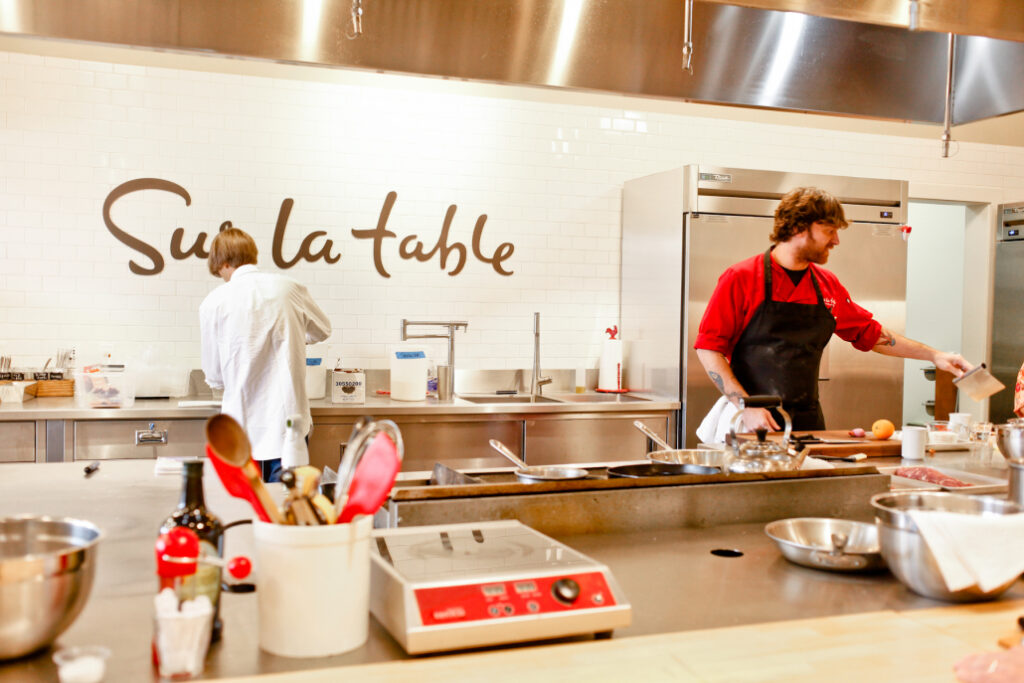
Sur La Table offers in-person and virtual workshops covering a variety of cuisines and cooking techniques. Their classes emphasize hands-on practice, often in small group settings, ensuring personalized guidance. These sessions are especially beneficial for people who enjoy collaborative learning and social interaction while improving their cooking skills.
3. Airbnb Online Experiences – Cooking Classes

Airbnb introduced online cooking experiences during the global travel slowdown, connecting learners with chefs and families worldwide. For example, participants can join a live session with an Italian grandmother teaching traditional pasta-making from her kitchen. These experiences combine cultural exchange with culinary education, making them unique compared to traditional classes.
4. America’s Test Kitchen Online Cooking School
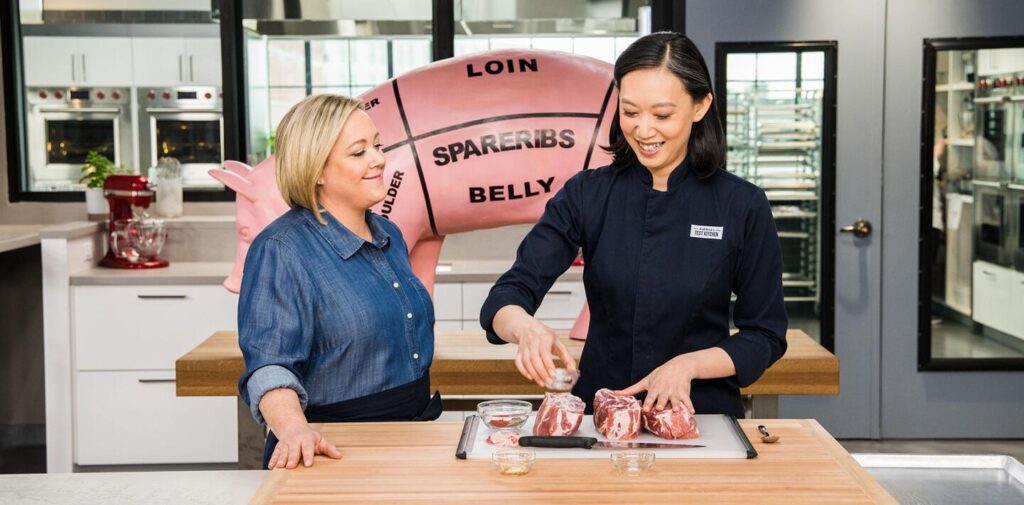
America’s Test Kitchen is widely respected for its detailed recipes and food science. Their online cooking school provides structured courses with video instructions, practice sessions, and feedback systems. The platform emphasizes not only the “how” but also the “why” behind cooking methods, empowering learners to become independent cooks.
Practical Use Cases for Cooking Classes
Solving the Challenge of Meal Planning
Many individuals struggle with preparing balanced meals on a daily basis. Cooking classes provide strategies for meal planning, teaching how to prepare multiple dishes with overlapping ingredients. This reduces food waste and saves time.
Enhancing Family Bonding
Cooking together strengthens family relationships. Classes designed for families encourage parents and children to collaborate in the kitchen, fostering teamwork while passing down essential life skills.
Career Development in Culinary Arts
For aspiring chefs, structured cooking programs are an essential step toward building a professional career. Specialized classes in pastry, fine dining, or regional cuisines prepare students for work in restaurants, catering, or even launching their own food businesses.
Stress Relief and Personal Growth
Cooking is therapeutic. Many people find cooking to be a relaxing, creative outlet after long days at work. Attending classes helps them channel stress into productive and enjoyable activities.
FAQs about Cooking Classes
Q1. Are cooking classes only for people who want to become chefs?
No, cooking classes are suitable for everyone, from beginners learning basic kitchen skills to food enthusiasts exploring new cuisines. While professionals benefit from advanced training, many classes are designed for home cooks seeking confidence and creativity.
Q2. What is the difference between online and in-person cooking classes?
In-person classes offer direct hands-on experience and social interaction, while online classes provide flexibility, access to global chefs, and the convenience of learning from home. Both have unique benefits depending on individual learning preferences.
Q3. How long does it take to see improvement from cooking classes?
Improvement varies based on frequency and effort, but many learners notice significant progress after just a few lessons. Consistent practice, combined with guidance from structured courses, accelerates skill development.