Coffee Plantation Tours A Complete Guide to Experiencing Authentic Coffee Culture
Coffee is more than just a beverage-it is a global cultural experience that connects farmers, traditions, and consumers. One of the best ways to appreciate this journey is through coffee plantation tours, which allow travelers to witness the art of cultivation, harvesting, and roasting firsthand. These tours provide authentic insight into the world’s favorite drink, blending education, culture, and sensory delight.
What Are Coffee Plantation Tours?
Coffee plantation tours are immersive travel experiences that bring visitors to the heart of coffee-growing regions. They typically include guided walks through lush plantations, demonstrations of harvesting methods, explanations of processing techniques, and opportunities to taste freshly brewed coffee straight from the source.
These tours are popular in countries known for their rich coffee heritage, such as Colombia, Brazil, Costa Rica, Ethiopia, and Indonesia. Each location offers a unique perspective shaped by its history, climate, and cultural approach to coffee production. By visiting these plantations, travelers gain a deeper appreciation for the hard work behind every cup.
The Cultural and Historical Importance of Coffee Tours
Coffee has shaped economies, cultures, and societies for centuries. Plantation tours are not just about agriculture-they also connect visitors to the cultural roots of coffee. In many regions, coffee farming has been passed down through generations, preserving traditions that define community identity.
Exploring these plantations reveals how coffee became a social ritual across the world. Whether it is Ethiopia’s coffee ceremonies, Colombia’s heritage farms, or Indonesia’s unique processing styles, each story enriches the experience. Visitors leave with more than just knowledge of cultivation-they gain cultural understanding.
How Technology Enhances Coffee Plantation Tours
While plantation tours are rooted in tradition, modern technology has significantly enhanced them. From smart farming tools to interactive visitor experiences, technology ensures better sustainability and engagement.
Digital tools allow farmers to monitor soil quality, weather patterns, and crop health, improving efficiency and reducing waste. Some plantations now incorporate augmented reality (AR) and virtual reality (VR) experiences for visitors, allowing them to visualize the bean-to-cup journey interactively. Additionally, mobile apps and QR codes provide instant access to educational resources, making tours more informative and engaging.
Technology not only benefits tourists but also helps farmers preserve traditions while adapting to modern challenges such as climate change and fluctuating demand.
Real-World Examples of Coffee Plantation Tours
1. Hacienda Alsacia Starbucks Coffee Farm – Costa Rica
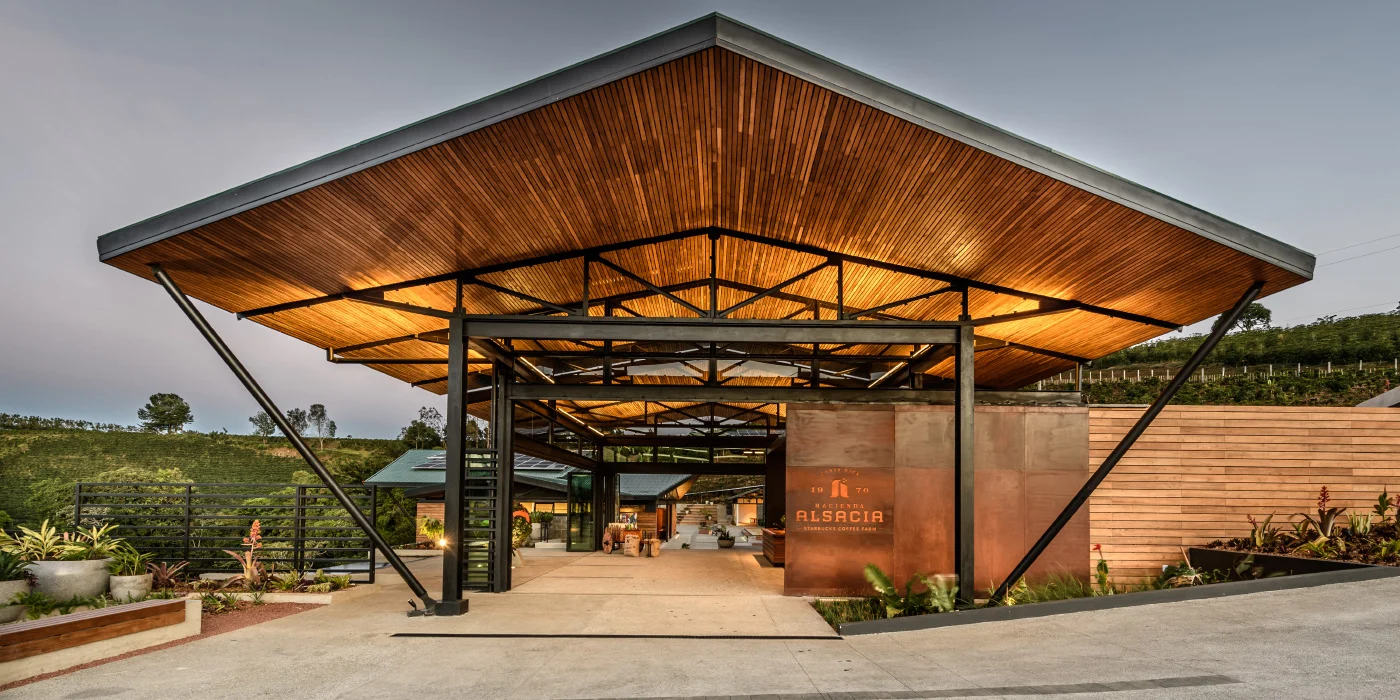
Located near San José, this plantation is Starbucks’ global research and development center. Visitors experience a working farm while learning about sustainability and innovation in coffee growing. The tour includes an immersive journey from seedling to cup, demonstrating how modern techniques coexist with traditional methods.
Hacienda Alsacia has become a benchmark in eco-tourism, showcasing how global brands can support local farmers and promote sustainability. Its educational approach makes it a favorite among both coffee lovers and curious travelers.
2. Finca El Ocaso – Colombia
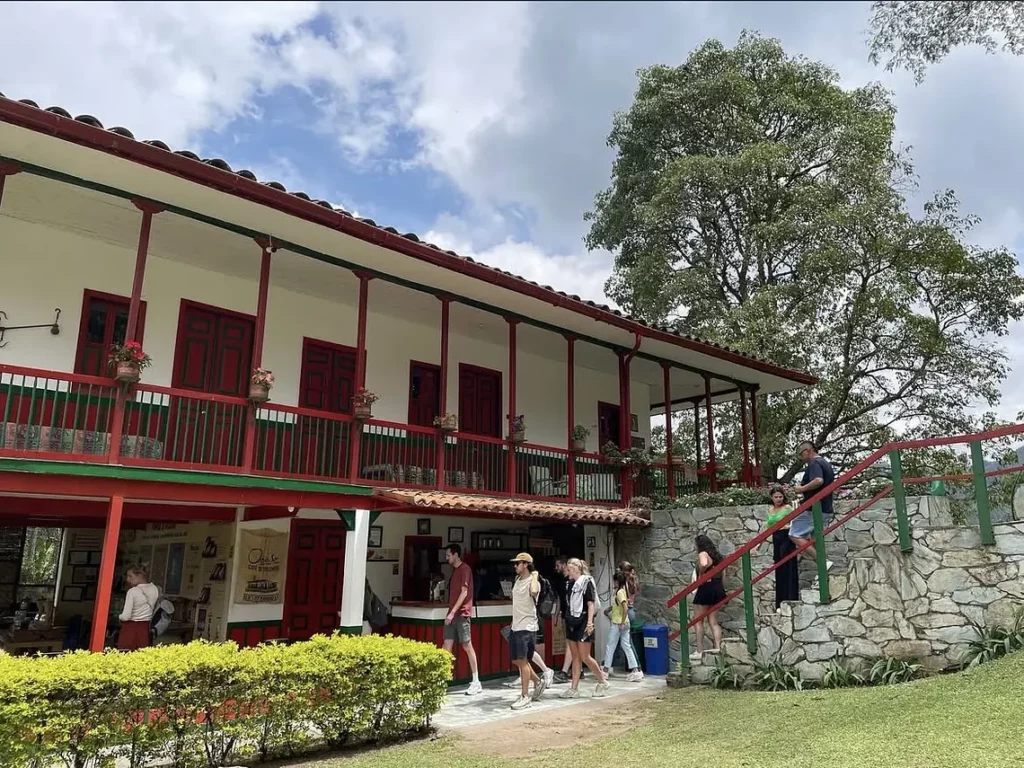
Situated in the heart of the Coffee Cultural Landscape (a UNESCO World Heritage Site), Finca El Ocaso offers authentic Colombian experiences. Guests can participate in the harvesting process, pick cherries alongside farmers, and understand the manual labor behind every bean.
The plantation also emphasizes cultural storytelling, sharing insights into Colombia’s deep-rooted relationship with coffee. Beyond learning, visitors enjoy breathtaking mountain views, making the tour a blend of culture and natural beauty.
3. Kona Coffee Living History Farm – Hawaii, USA
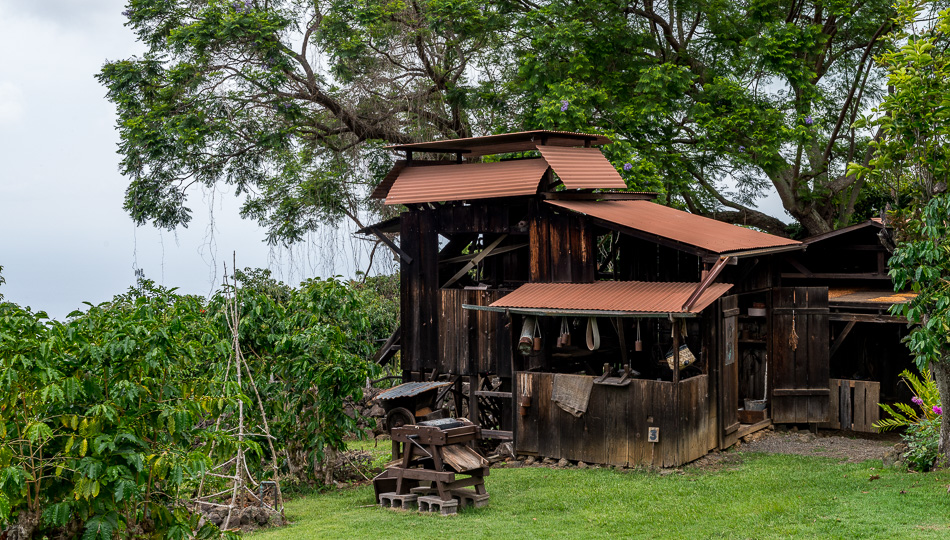
This plantation doubles as a living museum, offering a glimpse into the lives of coffee farmers in early 20th-century Hawaii. The site showcases historic equipment, traditional tools, and original farmhouses. Unlike modernized plantations, Kona Coffee Living History Farm emphasizes heritage preservation, making it a cultural treasure.
Visitors leave with a rare appreciation for the struggles and resilience of small-scale coffee farmers, along with the chance to taste world-renowned Kona coffee directly from its birthplace.
4. Bali Pulina Coffee Plantation – Indonesia
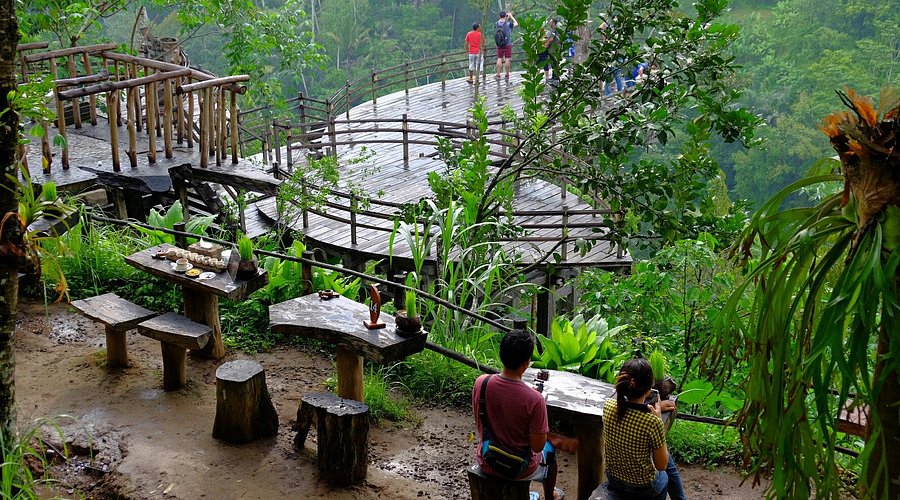
Famous for its scenic settings and unique coffee varieties such as kopi luwak, Bali Pulina combines natural beauty with cultural education. Guests can watch the roasting process, learn about local farming methods, and sip coffee while overlooking rice terraces.
The plantation also highlights traditional Balinese hospitality, making it more than just an agricultural tour. It demonstrates how coffee is woven into everyday life and local culture, making it a memorable destination for global travelers.
Benefits of Experiencing Coffee Plantation Tours
Coffee plantation tours provide more than sightseeing-they offer educational, cultural, and practical benefits that leave lasting impressions.
-
Educational Value – Visitors gain firsthand knowledge of cultivation, harvesting, and processing methods, enhancing their appreciation for coffee.
-
Cultural Connection – Tours highlight traditions, rituals, and stories that enrich the experience beyond just tasting.
-
Sustainability Awareness – Many plantations focus on eco-friendly farming, teaching travelers about responsible consumption.
-
Authentic Sensory Experience – Tasting coffee at its origin allows guests to enjoy fresher, richer flavors compared to mass-market brews.
-
Supporting Local Communities – Tourism supports farmers and local economies, empowering communities to preserve their traditions.
Practical Use Cases of Coffee Plantation Tours
-
For Coffee Enthusiasts – A deeper understanding of coffee-making enhances appreciation for daily brews, turning a routine drink into an art form.
-
For Students and Researchers – Plantation tours provide valuable insights into agriculture, sustainability, and cultural anthropology.
-
For Travelers Seeking Authenticity – These tours offer a genuine, non-commercialized look into local life and traditions.
-
For Sustainability Advocates – Learning about eco-friendly farming practices inspires conscious consumerism and sustainable living.
-
For Families and Groups – Plantation visits can be engaging, educational, and fun, making them suitable for diverse audiences.
Frequently Asked Questions
Q1. What is included in a typical coffee plantation tour?
Most tours include guided walks through the plantation, demonstrations of harvesting and processing, educational talks about history and culture, and coffee tasting sessions. Some also offer hands-on experiences like picking cherries or roasting beans.
Q2. Which countries are best known for coffee plantation tours?
Colombia, Costa Rica, Brazil, Ethiopia, Indonesia, and Hawaii are among the most popular destinations. Each region offers a unique experience shaped by its history, climate, and traditions.
Q3. Do coffee plantation tours support local farmers?
Yes, many plantation tours directly benefit local communities by providing income, promoting sustainable farming, and preserving cultural traditions. By participating, visitors contribute to both economic and cultural sustainability.