Chocolate Tasting Tours A Complete Guide to Indulgent Experiences Worldwide
Chocolate tasting tours are among the most indulgent and enriching experiences for food lovers, combining travel, culture, and gastronomy. These tours allow participants to immerse themselves in the art of chocolate-making, from bean to bar, while exploring different regions known for their rich traditions in cacao cultivation and confectionery.
Unlike a casual chocolate snack, tasting tours provide a guided journey where each sample is carefully crafted and paired with expert explanations. Travelers not only learn about the history and cultural significance of chocolate but also develop a refined palate that distinguishes subtle notes of flavor, texture, and aroma.
Whether in Europe’s famous chocolateries, South America’s cacao farms, or modern artisanal workshops, chocolate tasting tours cater to anyone who wishes to turn their sweet cravings into a truly educational and memorable adventure.
The History and Culture Behind Chocolate Tours
Chocolate has a long and fascinating history that stretches back thousands of years. Originating from ancient Mesoamerican civilizations, cacao beans were once considered sacred and even used as currency. The Aztecs and Mayans viewed cacao as a gift from the gods, often consumed as a bitter, spiced beverage during rituals and celebrations.
As European explorers brought cacao back to the Old World, it underwent a transformation. Sugar and milk were added, evolving chocolate into the sweet indulgence we know today. By the 19th and 20th centuries, chocolate-making became both an art and an industry, with regions like Belgium, Switzerland, and France gaining global reputations for their craft.
Chocolate tasting tours often weave this history into the experience, giving participants a deeper appreciation of the cultural journey of chocolate. From ancient ceremonial drinks to modern bean-to-bar artistry, these tours showcase how chocolate connects tradition, innovation, and indulgence.
What to Expect on a Chocolate Tasting Tour
Chocolate tasting tours vary widely depending on the location, but most include several core elements. The first is an introduction to cacao beans and their origins. Guests often see or taste raw cacao to understand the transformation it undergoes from bean to chocolate.
Next, professional chocolatiers or guides lead participants through structured tastings. This involves sampling different varieties of chocolate, paying attention to flavor notes, textures, and cocoa percentages. Some tours also pair chocolates with wines, spirits, or coffee for a multi-sensory experience.
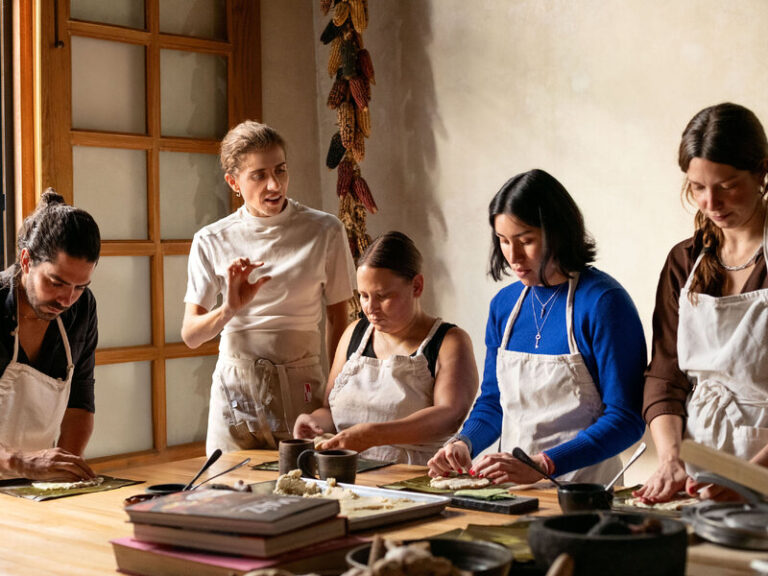
Finally, many tours incorporate live demonstrations or workshops where visitors can create their own chocolate bars or truffles. This hands-on element adds an engaging dimension to the tour, ensuring that guests leave with both knowledge and a personalized chocolate creation.
Benefits of Chocolate Tasting Tours
Chocolate tasting tours offer far more than a sweet indulgence. They provide a well-rounded cultural, sensory, and educational experience.
One of the greatest benefits is the development of a refined palate. Much like wine or cheese tasting, chocolate tasting trains participants to recognize nuanced flavors-from fruity and floral notes to earthy and nutty undertones. This skill enriches not only future chocolate enjoyment but also broader culinary appreciation.
Another benefit is the cultural immersion. Chocolate is deeply tied to the history and traditions of many regions, and tours often highlight these connections. Whether it’s learning about traditional Mexican cacao beverages or modern European artisan trends, visitors leave with insights that transcend the simple act of eating chocolate.
Lastly, chocolate tours are social and experiential. They provide opportunities to meet fellow travelers, engage with local artisans, and create lasting memories in a unique and delicious setting.
Real-World Examples of Chocolate Tasting Tours
1. Belgian Chocolate Workshops in Brussels
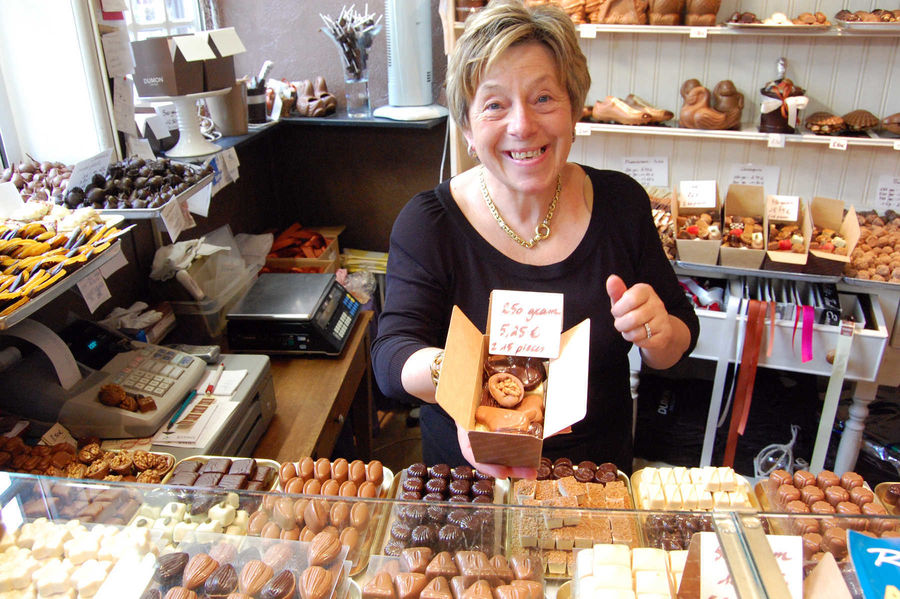
Belgium is often considered the heart of fine chocolate, and Brussels is home to some of the world’s most famous chocolatiers. Chocolate tasting tours here often include visits to artisanal boutiques such as Neuhaus, Pierre Marcolini, and Leonidas. Participants sample pralines, truffles, and ganaches while learning about Belgium’s chocolate-making traditions.
Some tours also feature workshops where guests can mold and decorate their own pralines under the guidance of expert chocolatiers. This blend of tasting and hands-on experience makes Belgian chocolate tours both indulgent and educational.
2. Swiss Chocolate Journeys in Zurich and Lucerne
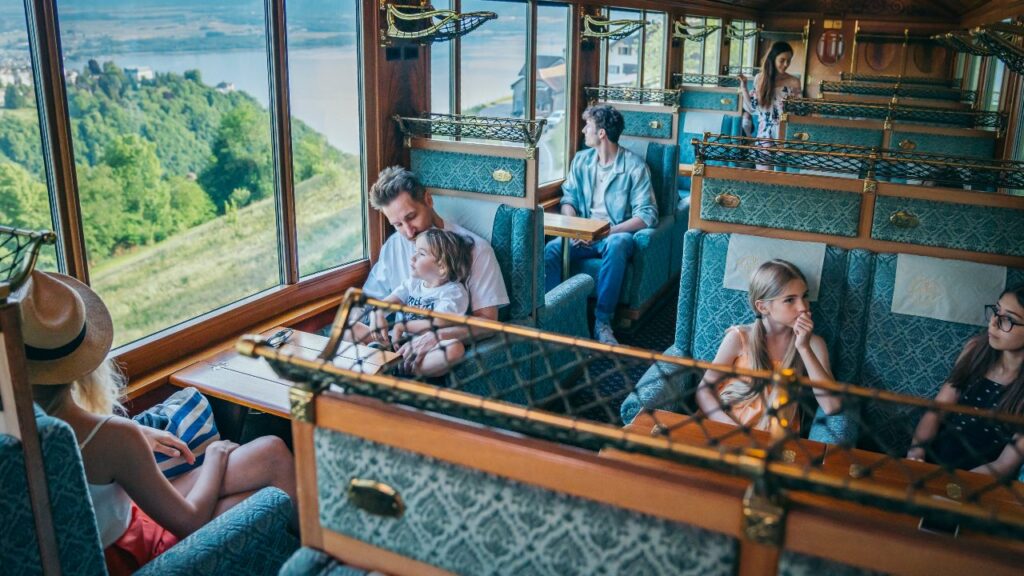
Switzerland’s reputation for creamy, high-quality milk chocolate makes it a top destination for chocolate lovers. Tours in Zurich and Lucerne often combine city sightseeing with visits to famous chocolate houses like Lindt and Läderach. Guests sample a wide range of chocolates, from classic milk bars to innovative flavor-infused creations.
Some unique tours even involve scenic journeys, such as the Swiss Chocolate Train, which combines breathtaking landscapes with gourmet tastings. This highlights how chocolate experiences in Switzerland often merge indulgence with luxury travel.
3. Cacao Farm Tours in Costa Rica
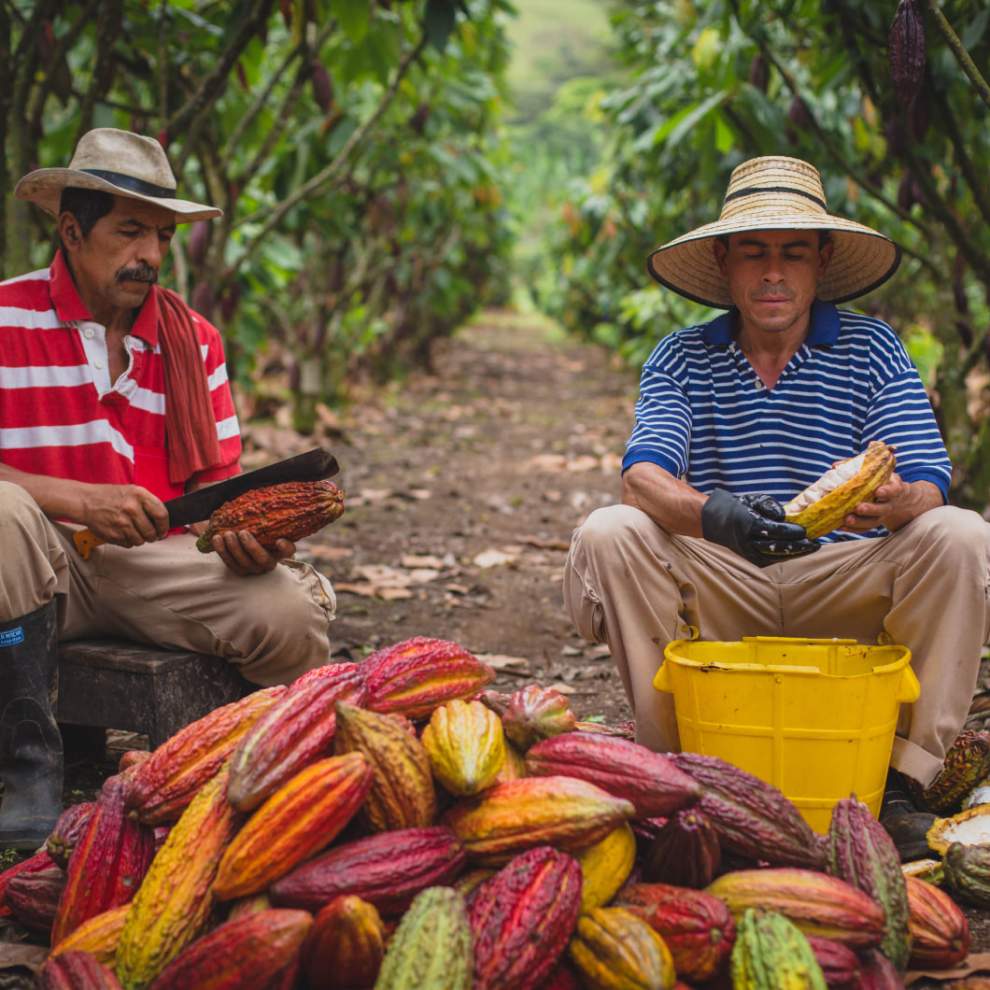
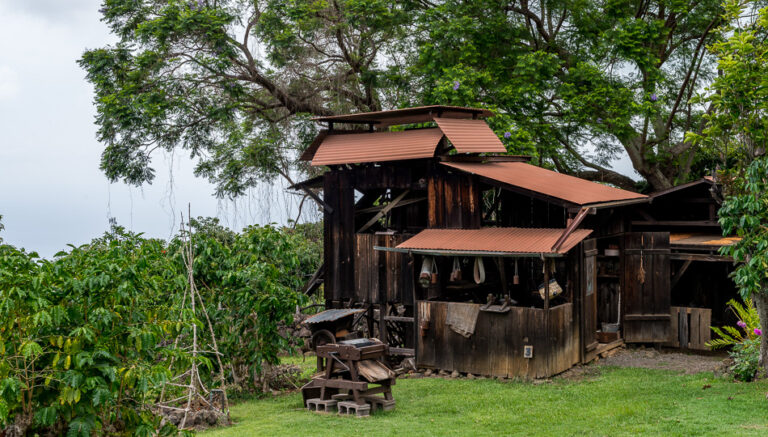
Costa Rica is renowned for its sustainable cacao farms, where visitors can experience the bean-to-bar journey firsthand. Chocolate tasting tours here start with guided walks through cacao plantations, where guests see how beans are cultivated, harvested, and fermented.
Afterward, participants taste chocolates made directly on-site, often prepared by small family-owned businesses. These tours highlight sustainability, fair trade practices, and the deep connection between local communities and cacao cultivation.
4. Artisan Chocolate Trails in Paris
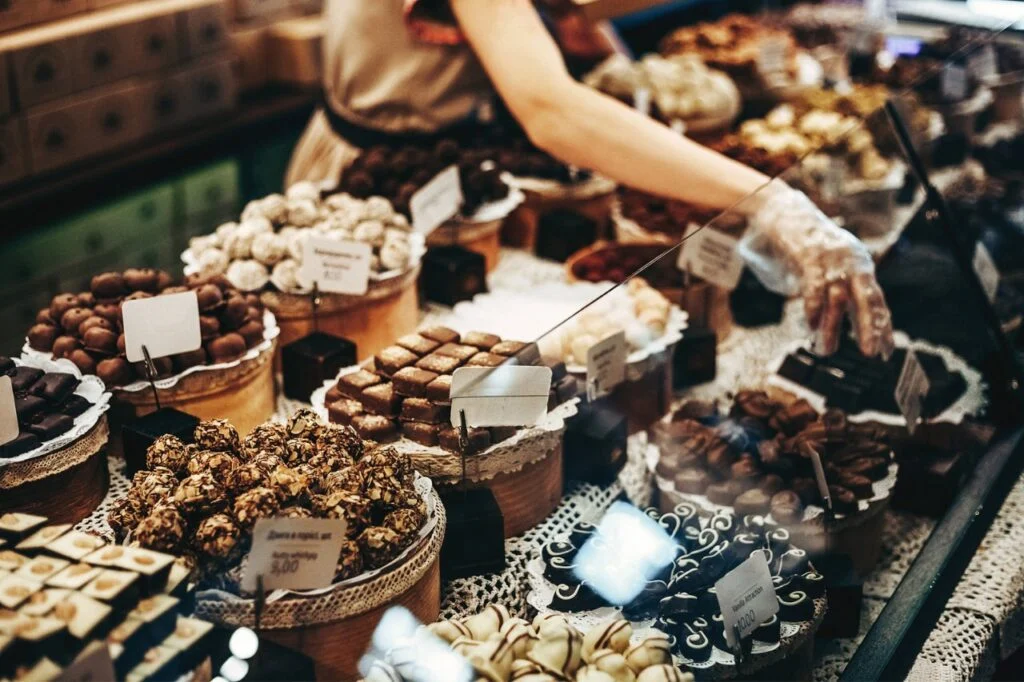
Paris, with its reputation for luxury and gastronomy, offers high-end chocolate tasting tours that rival wine tastings in sophistication. Guided walking tours take participants through boutique shops and patisseries, sampling everything from single-origin chocolates to innovative flavor fusions.
These tours often emphasize artistry, presentation, and pairing, showcasing chocolate as not just a treat but a refined culinary experience. For travelers who appreciate luxury and craftsmanship, Parisian chocolate trails offer a deeply indulgent journey.
Use Cases: Why Chocolate Tasting Tours Matter in Real Life
Chocolate tasting tours are not just about indulgence; they solve real travel and cultural needs. For food lovers, they provide a structured way to deepen appreciation of chocolate, turning a casual treat into an enriching sensory exploration.
For travelers seeking cultural immersion, these tours serve as a gateway into local traditions and artisanal practices. They provide authentic interactions with chocolatiers and farmers, bridging the gap between global travelers and local communities.
Additionally, chocolate tasting tours offer unique group experiences. Whether for couples, families, or corporate outings, these tours create memorable bonding opportunities that go beyond ordinary sightseeing.
The Role of Technology in Enhancing Chocolate Tours
Technology plays a growing role in making chocolate tasting tours more immersive and accessible. Virtual tours, for instance, allow participants to connect with chocolatiers worldwide without leaving their homes. Through live streaming, travelers can watch demonstrations, ask questions, and even receive tasting kits delivered beforehand.
In-person tours also benefit from technology. Many chocolatiers now use digital tools such as flavor-mapping apps, interactive displays, and augmented reality guides. These innovations help participants better understand the complexity of chocolate-making while making the experience engaging for younger audiences.
Technology also supports sustainability efforts. Some cacao farms use blockchain or QR codes to trace the origin of beans, giving visitors a transparent view of the supply chain. This integration of tech enhances trust and education in chocolate tourism.
Frequently Asked Questions
Q1. Are chocolate tasting tours suitable for children?
Yes, many chocolate tasting tours welcome children, especially those focused on artisanal shops or farm visits. However, some tours that include wine or spirits pairings may be restricted to adults.
Q2. How long does a typical chocolate tasting tour last?
Most chocolate tours last between two to four hours. Farm-based tours may be longer, often including plantation walks and workshops, while city boutique tours are usually shorter and focused on tastings.
Q3. Do chocolate tasting tours cater to dietary restrictions?
Many chocolatiers accommodate dietary needs, offering dairy-free, nut-free, or vegan-friendly chocolates. It’s always recommended to inform the organizers in advance to ensure suitable options are available.