Child-Friendly Museums Inspiring Learning and Fun for Young Explorers
Museums have traditionally been seen as places for quiet observation, where visitors admire artifacts and artworks from a distance. However, the evolution of modern museum design has introduced a new concept: child-friendly museums. These institutions are created with young visitors in mind, offering interactive, hands-on exhibits that make learning fun. Rather than being passive experiences, child-friendly museums encourage children to touch, explore, and experiment, transforming them into active participants in the learning process.
These museums go beyond entertainment by blending education with play. They often cover subjects such as science, history, art, and culture in ways that resonate with children’s curiosity. For families, they provide the perfect opportunity to spend time together while nurturing creativity, critical thinking, and a love of discovery.
Why Child-Friendly Museums Are Important
Child-friendly museums play an essential role in shaping how children perceive education. Unlike traditional classroom environments, museums offer learning experiences without pressure. Children are free to engage at their own pace, experimenting with activities and exhibits that spark their interests.
They also provide exposure to new ideas and concepts outside of the school curricula. Whether it’s experiencing the laws of physics through interactive experiments or learning about history by stepping into recreated environments, museums make abstract concepts tangible. By fostering curiosity, they help lay the foundation for lifelong learning.
Real-World Examples of Child-Friendly Museums
1. Children’s Museum of Indianapolis, USA
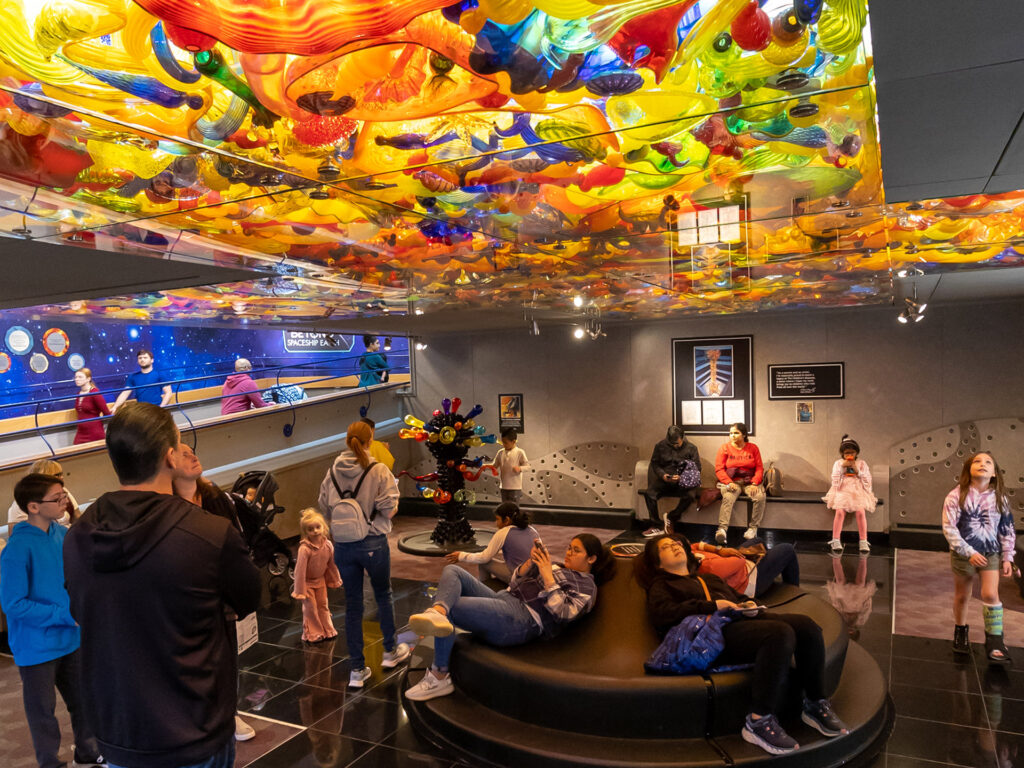
The Children’s Museum of Indianapolis is the largest of its kind in the world. It features an extraordinary range of exhibits designed for children of all ages. Highlights include a dinosaur exhibit where kids can “excavate” fossils, a space exploration area that simulates astronaut training, and cultural exhibits that introduce children to traditions from around the globe.
What makes this museum special is its combination of education and entertainment. By integrating science, history, and art into fun activities, it allows children to explore complex subjects in an accessible way. Its interactive design ensures that no two visits are ever the same, keeping young learners engaged and eager to return.
2. Exploratorium, San Francisco, USA
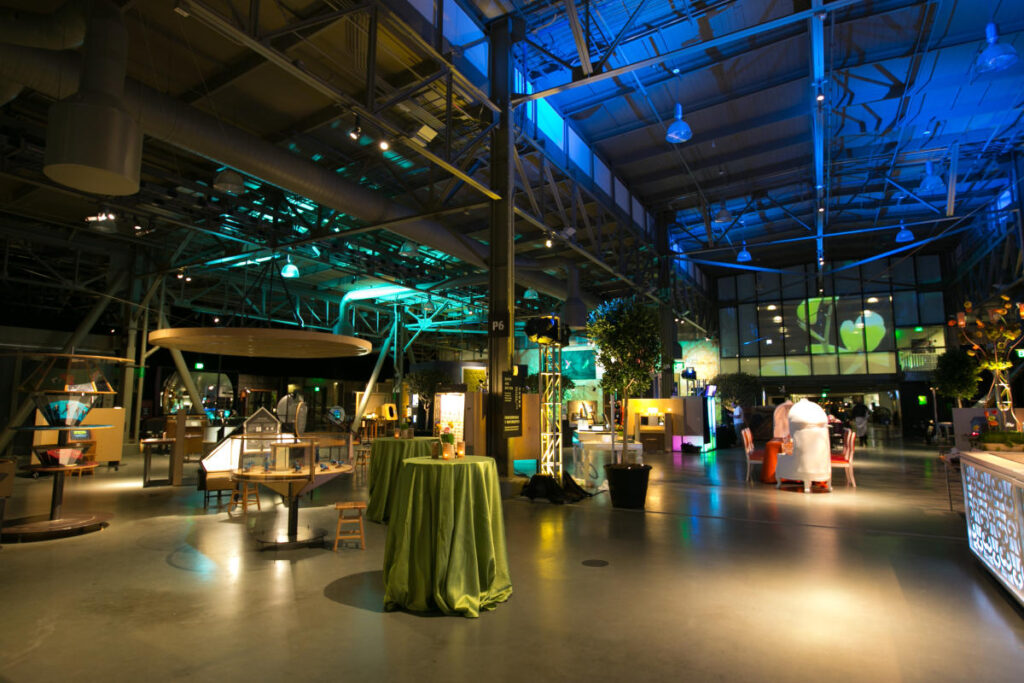
The Exploratorium is one of the most innovative science museums in the world, designed to inspire curiosity through hands-on exploration. Children can experiment with light, sound, motion, and even biology through more than 600 interactive exhibits. Unlike traditional museums, the Exploratorium encourages touching, playing, and experimenting with everything on display.
For families, this museum offers an ideal balance between fun and education. Kids not only learn scientific concepts but also develop problem-solving skills by experimenting independently. The open-ended nature of the exhibits ensures children feel like true explorers, capable of making their own discoveries.
3. Technorama, Switzerland
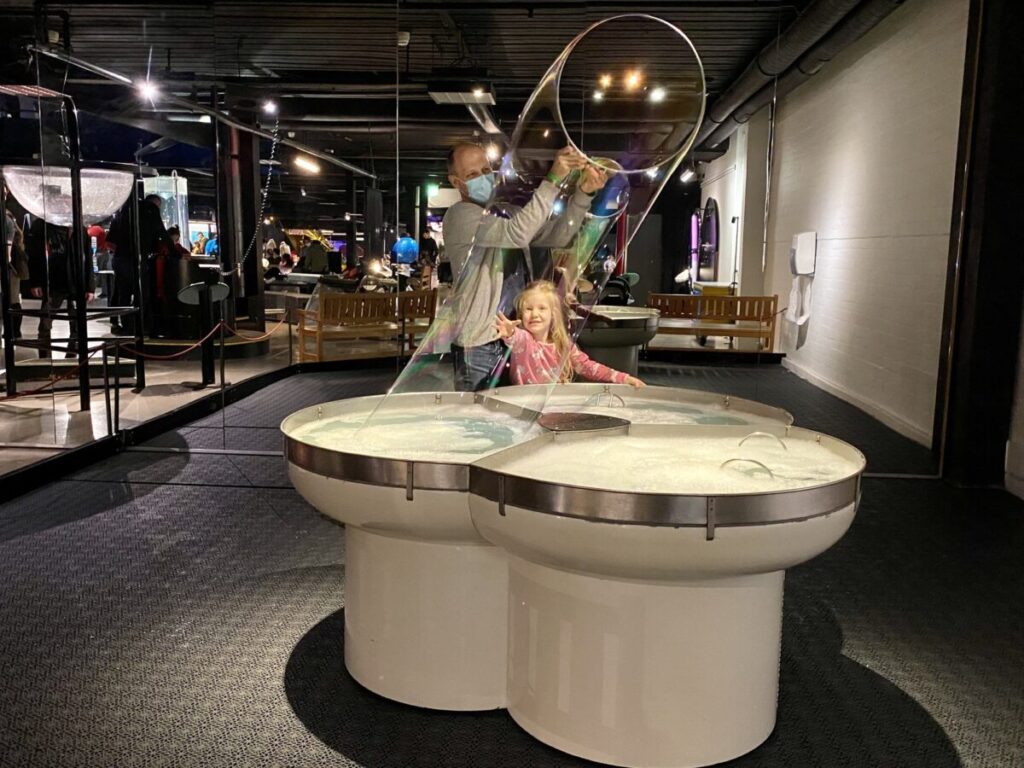
Technorama, located in Winterthur, Switzerland, is a museum dedicated to science and technology, created with children in mind. Its exhibits allow kids to experiment with natural phenomena such as electricity, magnetism, and fluid dynamics. With more than 500 hands-on stations, it provides one of Europe’s most comprehensive interactive science experiences.
The museum emphasizes experiential learning. Children can build, test, and modify experiments to see how scientific principles apply in real life. For families traveling in Europe, Technorama stands out as a destination that entertains while nurturing a deep appreciation for science and innovation.
4. Eureka! The National Children’s Museum, UK
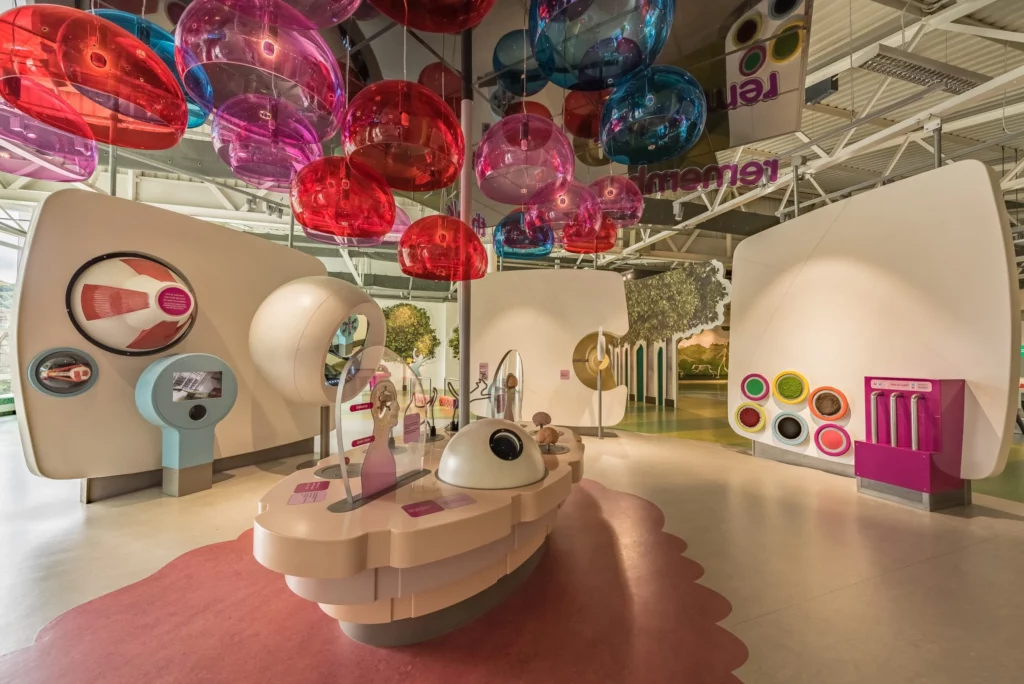
Eureka! in Halifax is the UK’s only fully interactive museum dedicated to children. Unlike traditional galleries, Eureka! is modeled as a discovery center where children can explore role-playing environments such as a child-sized town, post office, and bank. The aim is to teach life skills alongside education.
This museum places a strong focus on creativity and imagination. Combining everyday experiences with educational lessons helps children understand how the world works. Parents value the fact that their children are both entertained and educated through real-world simulations.
5. Papalote Children’s Museum, Mexico City, Mexico

Papalote Museo del Niño is one of Latin America’s most famous child-focused museums. It offers a wide range of interactive exhibits covering science, technology, communication, and the arts. Children can engage in activities like building structures, experimenting with water, and exploring digital media in creative ways.
The museum is designed with family participation in mind, ensuring parents are actively involved in the learning process. With a strong focus on imagination and collaboration, Papalote encourages children to think creatively while bonding with family members during shared activities.
Benefits of Child-Friendly Museums
Hands-On Learning
The greatest advantage of child-friendly museums is their emphasis on interactive learning. Children learn best through doing, and these museums provide opportunities to experiment, create, and explore, which deepens their understanding of complex ideas.
Inspiring Creativity and Curiosity
By offering open-ended exhibits, these museums encourage children to ask questions, seek answers, and explore their own ideas. This nurtures creativity and helps develop a natural love for learning.
Family Bonding Opportunities
Child-friendly museums are designed to involve both kids and parents. Shared activities strengthen family connections, turning museum visits into meaningful experiences that blend entertainment with education.
Building Confidence and Problem-Solving Skills
Many exhibits challenge children to test ideas, make mistakes, and try again. These experiences foster resilience, independence, and problem-solving abilities that are essential in real life.
The Role of Technology in Child-Friendly Museums
Technology has become an integral part of modern child-friendly museums. From augmented reality apps that bring dinosaurs to life to interactive touchscreens that explain scientific phenomena, technology enhances both engagement and learning.
Virtual reality experiences allow children to explore ancient civilizations or travel into space, making abstract subjects more accessible. Digital storytelling tools transform historical artifacts into captivating narratives. Additionally, many museums now offer mobile applications for scavenger hunts, quizzes, and guided tours, extending the learning experience beyond the museum walls.
Use Cases of Child-Friendly Museums in Real Life
Supporting Education Beyond Classrooms
Child-friendly museums complement school learning by offering practical, real-world applications of academic subjects. For example, physics concepts become tangible through experiments at science museums, while history comes alive in cultural exhibits.
Providing Safe Spaces for Exploration
These museums provide safe, supervised environments where children can test their ideas without fear of failure. This freedom fosters innovation and builds confidence.
Helping Families Introduce Complex Subjects
Subjects like climate change, biodiversity, and cultural diversity can be difficult to explain to children. Child-friendly museums simplify these topics through engaging exhibits, making them easier for young minds to grasp.
Promoting Inclusivity and Accessibility
Many child-friendly museums design their spaces to be inclusive, ensuring children of all abilities can participate. This promotes equality and ensures every child can enjoy learning through play.
Frequently Asked Questions
Q1. What makes a museum child-friendly?
A child-friendly museum is designed to be interactive, engaging, and educational. Exhibits encourage hands-on participation, are age-appropriate, and provide opportunities for children to learn while having fun.
Q2. Are child-friendly museums suitable for all age groups?
Yes. Most child-friendly museums design their exhibits for a range of ages, from toddlers to teenagers. They often include sections tailored to specific age groups to ensure every child has an engaging experience.
Q3. How do child-friendly museums benefit parents as well?
Parents benefit by spending quality time with their children in enriching environments. These museums also provide parents with tools and opportunities to discuss complex topics in ways that children can understand.