Best Seafood Restaurants for Authentic Dining Experiences in 2025
Seafood has always been a symbol of freshness, flavor, and cultural richness. From coastal towns to luxury urban dining, the best seafood restaurants provide more than just meals-they offer experiences that reflect heritage, creativity, and sustainability. In 2025, seafood lovers are spoiled with choices ranging from traditional oyster houses to innovative Michelin-starred establishments. This article explores in depth what makes the best seafood restaurants truly stand out, showcases real-world examples, and explains the practical benefits of dining in them.
What Defines the Best Seafood Restaurants
A seafood restaurant is more than a place that serves fish-it is an establishment that prioritizes quality, freshness, and culinary creativity. The best seafood restaurants go beyond the ordinary by sourcing responsibly, innovating with global flavors, and crafting dining experiences that balance tradition with modern gastronomy.
When diners look for the “best seafood restaurants,” they usually want three key factors:
-
Freshness and sourcing -Direct-from-sea supply, seasonal catches, and responsible fishing practices.
-
Menu variety and uniqueness -Signature dishes, regional seafood specialties, and innovative culinary styles.
-
Atmosphere and experience -Coastal charm, fine dining elegance, or casual seaside relaxation that complements the food.
Why Seafood Restaurants are Special
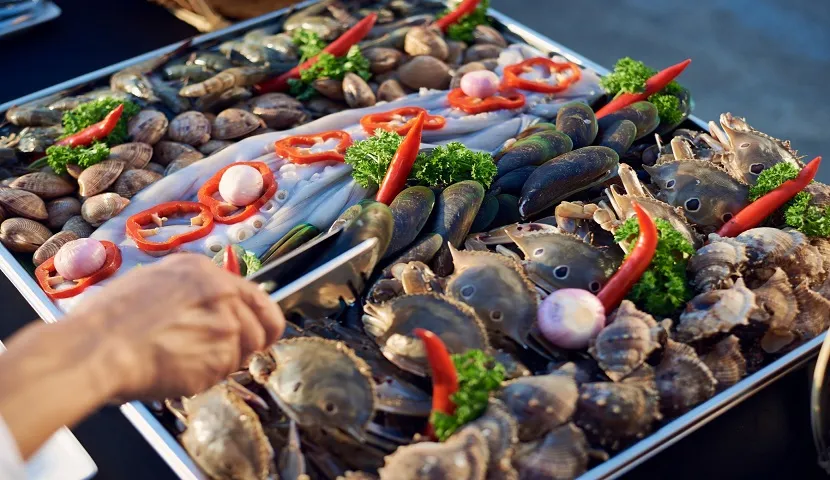
Seafood restaurants are distinct because they connect people with the ocean’s bounty in a way that few other cuisines can. They offer a fusion of tradition and innovation, where a freshly grilled lobster can be paired with a modern twist like truffle butter or exotic spices.
Another unique aspect is cultural storytelling. In Japan, sushi bars celebrate centuries-old traditions of preparing raw fish with precision. In the U.S., New England clam chowder tells the story of coastal heritage. Mediterranean seafood restaurants highlight olive oil-based cooking with fresh catches like octopus and sea bass.
This cultural depth is what elevates seafood dining from a simple meal to an unforgettable journey.
Real-World Examples of the Best Seafood Restaurants
1. Le Bernardin – New York City, USA
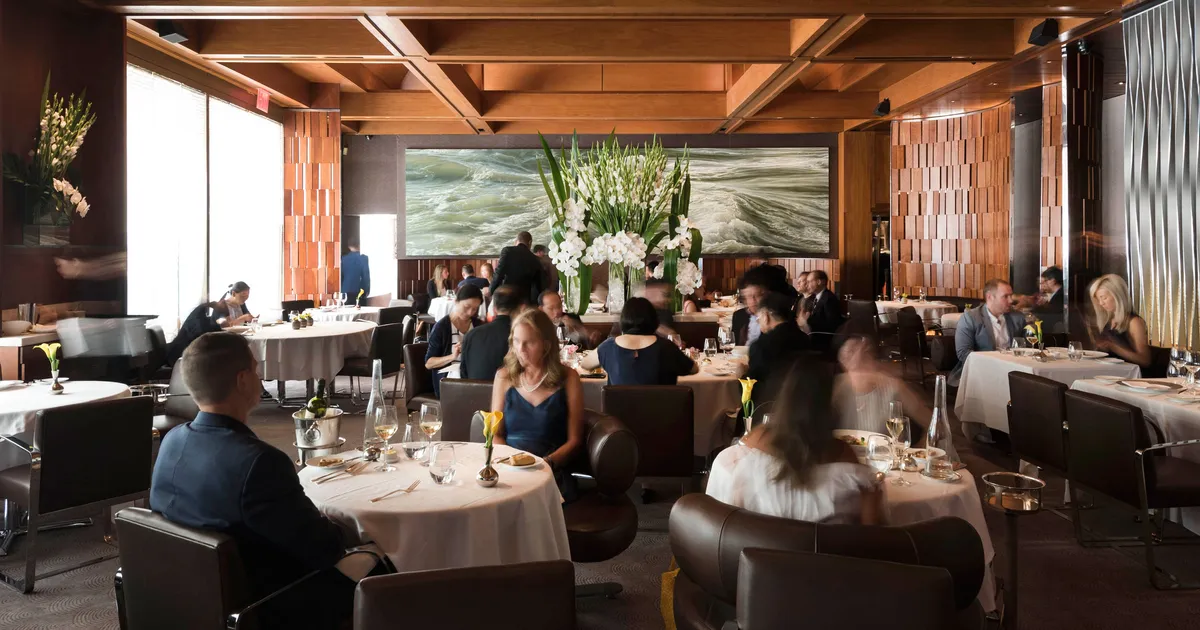
Le Bernardin is consistently ranked among the best seafood restaurants in the world. Known for its Michelin three-star status, it transforms seafood into an art form. The restaurant emphasizes purity of flavor, focusing on the natural qualities of the fish. Dishes such as barely cooked scallops with truffle essence showcase how seafood can be refined and elevated.
The atmosphere is equally elegant, attracting diners who appreciate world-class service and presentation. Le Bernardin sets the standard for luxury seafood dining, showing how a balance of innovation and tradition creates excellence.
2. Nobu – Tokyo, Japan
Nobu is globally famous, but its flagship in Tokyo stands out as one of the best seafood dining experiences. The restaurant combines Japanese techniques with Peruvian influences, creating a unique blend of flavors. Signature dishes such as black cod with miso highlight its mastery of seafood preparation.
What makes Nobu exceptional is its focus on creativity. By merging two culinary worlds, it attracts both traditionalists and modern diners. This fusion approach demonstrates how seafood can be reinvented while still respecting its origins.
3. The Crab Shack – Savannah, Georgia, USA
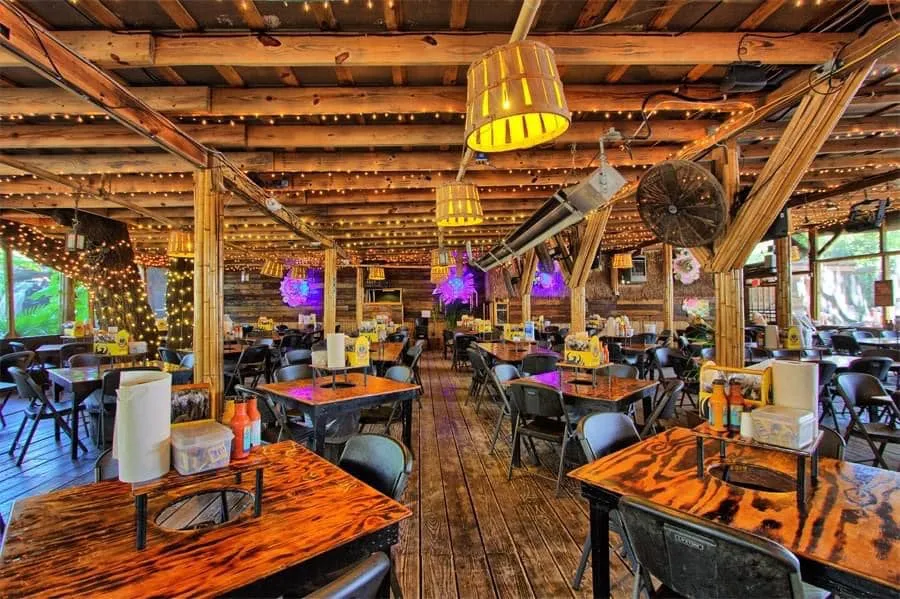
For a more casual yet iconic experience, The Crab Shack is a landmark. Known as “where the elite eat in their bare feet,” it offers a relaxed atmosphere with fresh local catches like crab, shrimp, and oysters. Seafood is served on large platters, perfect for communal dining.
This restaurant shows that the best seafood dining is not always about fine dining—it can also be about authenticity, atmosphere, and community. Tourists and locals alike appreciate its rustic charm and coastal flavors.
4. Odette – Singapore
A fine dining gem in Singapore, Odette combines French techniques with Asian flavors. Although not exclusively a seafood restaurant, its seafood dishes stand out. For example, its Hokkaido uni and crab dishes are praised for their balance of texture and taste.
Odette demonstrates how seafood can adapt to diverse culinary styles and remain central to fine dining. Its international recognition proves the versatility and universal appeal of seafood cuisine.
5. Rick Stein’s Seafood Restaurant – Cornwall, UK
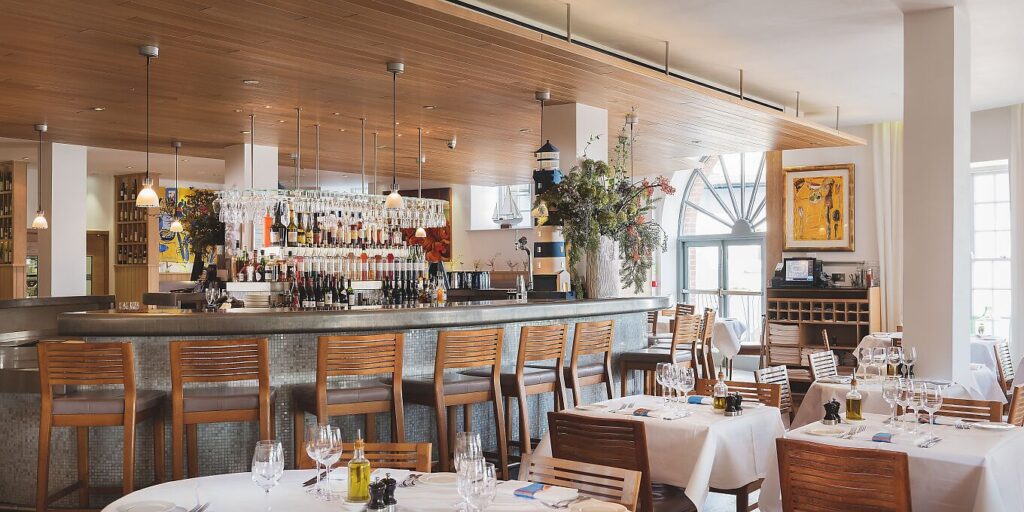
Located in the coastal town of Padstow, Rick Stein’s restaurant is a cornerstone of British seafood culture. It emphasizes locally sourced fish, from Cornish lobster to Dover sole. The menu combines traditional British recipes with international inspirations.
This restaurant highlights the importance of local sourcing and sustainability. By focusing on regional catches, it supports local fishermen while delivering fresh, seasonal seafood to diners.
Benefits of Seafood Restaurants in the Modern Era
Seafood restaurants in 2025 are not just about food; they are about sustainable choices, global culinary connections, and technology-driven freshness.
-
Sustainability Practices: Many top seafood restaurants are now committed to ethical sourcing. They partner with fisheries that follow responsible practices, ensuring marine ecosystems remain balanced.
-
Health Benefits: Seafood is rich in omega-3 fatty acids, vitamins, and lean protein. Dining in seafood restaurants supports a healthy lifestyle while offering delicious meals.
-
Culinary Innovation: Technology in the food industry, such as flash-freezing and tracking supply chains, ensures seafood remains fresh even when transported globally. This allows chefs to work with top-quality ingredients year-round.
-
Experiential Dining: Many seafood restaurants now integrate interactive experiences like open kitchens, oyster-shucking stations, or chef-led tasting menus, making dining more engaging.
Use Cases: Why Seafood Restaurants Matter in Real Life
-
Celebrating Special Occasions – Many people choose seafood restaurants for birthdays, anniversaries, or business events because of their premium reputation and unique experiences.
-
Cultural Exploration – Dining in seafood restaurants introduces people to different traditions, from Japanese sushi to Mediterranean grilled fish.
-
Health-Conscious Choices – For individuals seeking nutritious meals, seafood restaurants provide a wide variety of lean, heart-healthy dishes.
-
Travel and Tourism – Seafood restaurants often become travel highlights. A trip to New England isn’t complete without clam chowder, and a visit to Spain isn’t the same without fresh paella.
These use cases highlight how seafood restaurants are more than dining venues—they are cultural, social, and wellness-driven experiences.
Frequently Asked Questions
Q1. What makes a seafood restaurant the “best”?
The best seafood restaurants prioritize freshness, sustainability, creativity, and customer experience. They source responsibly, innovate with flavors, and create memorable dining atmospheres.
Q2. Are seafood restaurants always expensive?
Not necessarily. While fine dining seafood restaurants can be costly, many casual spots, such as local crab shacks or oyster bars, provide high-quality seafood at affordable prices.
Q3. How do seafood restaurants ensure freshness?
Many restaurants partner directly with fishermen, use seasonal catches, and rely on modern technology like flash-freezing to maintain freshness from sea to table.