Best Food Tours Around the World A Complete Guide to Culinary Travel Experiences
Food tours have become one of the most sought-after experiences for travelers who want to dive deeper into a destination’s culture. Rather than simply visiting landmarks, food tours allow participants to taste, smell, and experience the heart of a city through its cuisine. These tours range from exploring bustling street food markets to dining in Michelin-starred restaurants, often guided by local experts who share history, traditions, and stories behind every dish.
The concept of food tours is rooted in the belief that food is a universal language. No matter where you travel, cuisine acts as a bridge between cultures. By joining the best food tours, travelers not only savor unique flavors but also connect with local communities, learn about traditional cooking methods, and explore how history has shaped regional dishes.
Why Food Tours Are Gaining Global Popularity
In recent years, culinary travel has surged in popularity. With the rise of social media and digital platforms showcasing food cultures, travelers increasingly seek immersive experiences that go beyond traditional sightseeing. Food tours provide just that-an authentic way to engage with local culture.
Another reason for their popularity is their flexibility. Food tours can cater to different preferences: street food lovers, wine enthusiasts, dessert seekers, or fine-dining aficionados. Whether walking through the alleys of Bangkok or attending a cooking class in Tuscany, the experience offers something for everyone.
Benefits of Experiencing the Best Food Tours
The advantages of joining food tours extend far beyond just satisfying your appetite. One of the primary benefits is cultural immersion. A country’s cuisine reflects its history, climate, and lifestyle. By tasting local dishes, travelers gain a deeper understanding of the region’s identity.
Another significant benefit is social interaction. Food tours often bring people together, fostering connections among fellow travelers. In addition, guided food tours ensure safety and convenience, especially in destinations where navigating local eateries alone might be challenging.
Technology also enhances food tour experiences. From GPS-guided routes to apps that highlight hidden gems, travelers can now explore culinary landscapes with greater ease. Many tours integrate digital storytelling tools, offering historical context and multimedia content that enrich the journey.
Real-World Examples of the Best Food Tours
1. Bangkok Street Food Night Tour
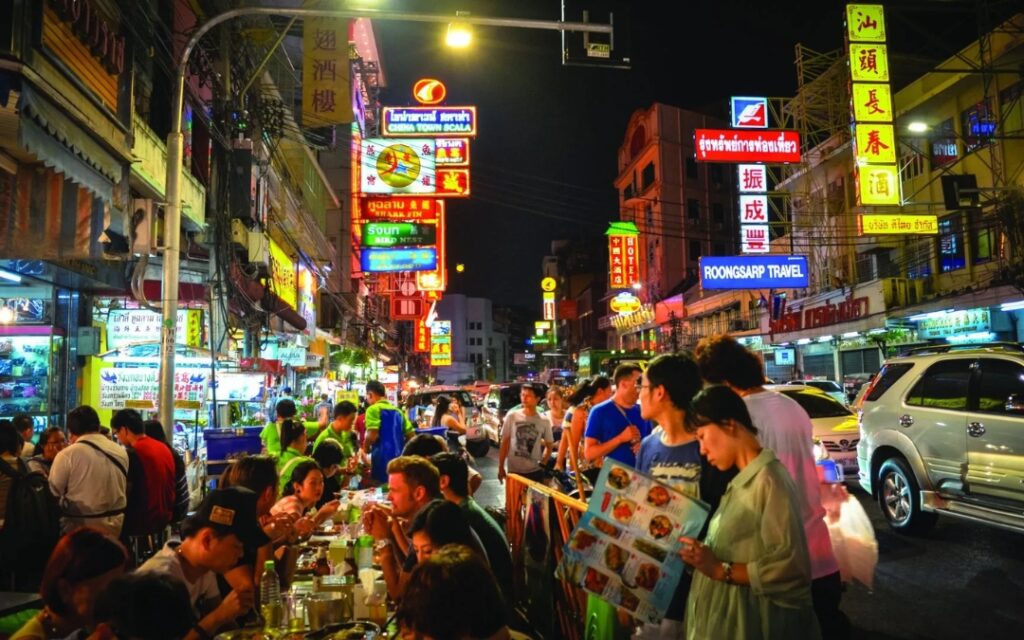
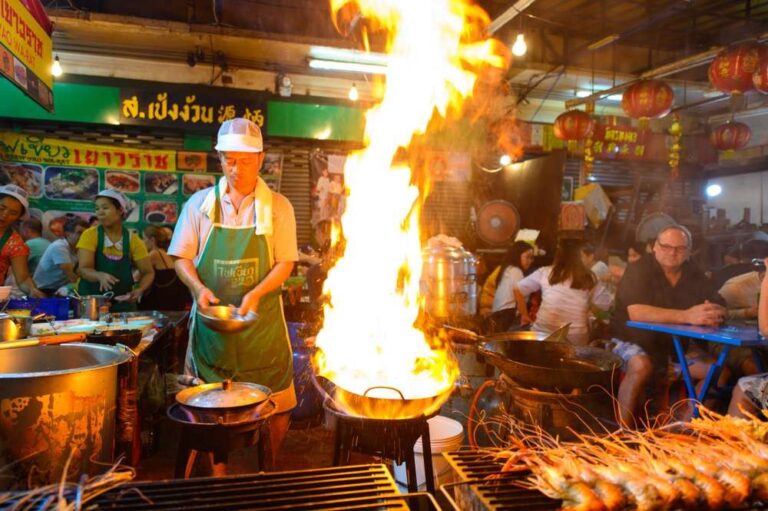
One of the most famous food tours in Asia is the Bangkok Street Food Night Tour. Known for its vibrant night markets, Bangkok is a paradise for food lovers. Participants often explore neighborhoods like Chinatown, where they can sample dishes such as satay skewers, pad thai, and mango sticky rice.
The relevance of this tour lies in its ability to introduce travelers to authentic Thai flavors that go beyond restaurant menus. Guided by locals, participants learn the cultural significance of dishes, from the balance of sweet, sour, salty, and spicy to the role of street food in Thai daily life.
2. Barcelona Tapas Walking Tour
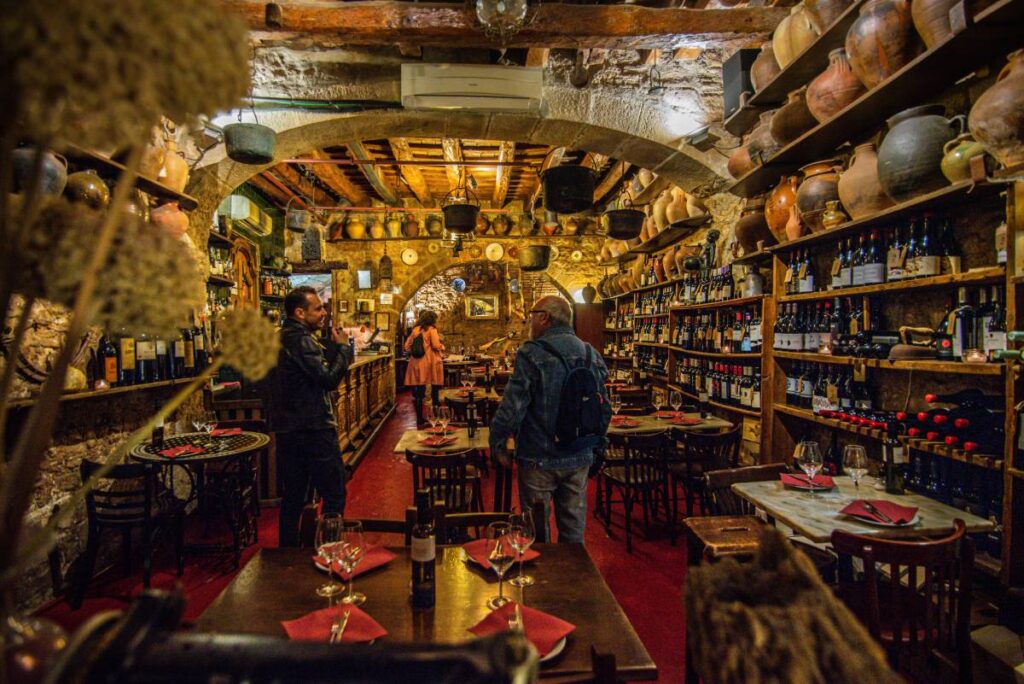
Spain is synonymous with tapas culture, and a Barcelona Tapas Walking Tour is an excellent way to immerse oneself in it. The tour typically includes visits to traditional bars where participants try patatas bravas, jamón ibérico, and seafood dishes paired with local wines.
This experience is relevant because it highlights Spain’s communal dining culture. Tapas are not just about food-they are about sharing and connecting. Tour guides often explain the history behind tapas, how they evolved, and their significance in social gatherings.
3. Tuscany Wine and Food Tour
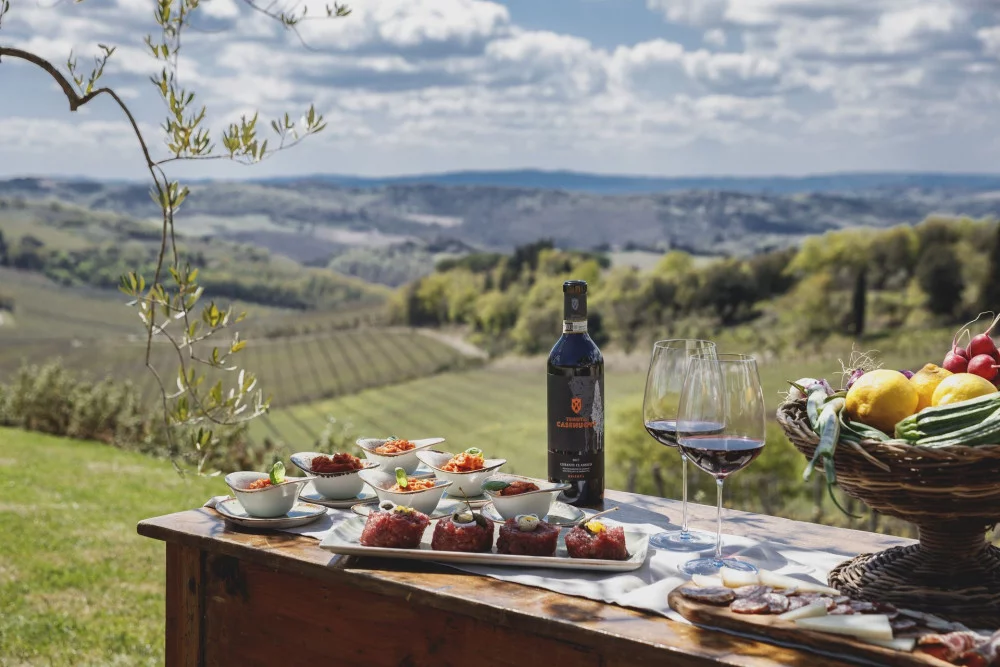
Italy’s Tuscany region is celebrated for its wine and culinary heritage. A Tuscany Wine and Food Tour combines vineyard visits with traditional Italian meals. Guests enjoy pasta-making classes, wine pairings, and tastings of olive oil, cheese, and cured meats.
The relevance of this tour lies in its focus on farm-to-table experiences. Travelers not only enjoy delicious meals but also understand sustainable farming practices and artisanal food production. This makes it one of the most enriching food tours globally.
4. New York City Food and Culture Tour
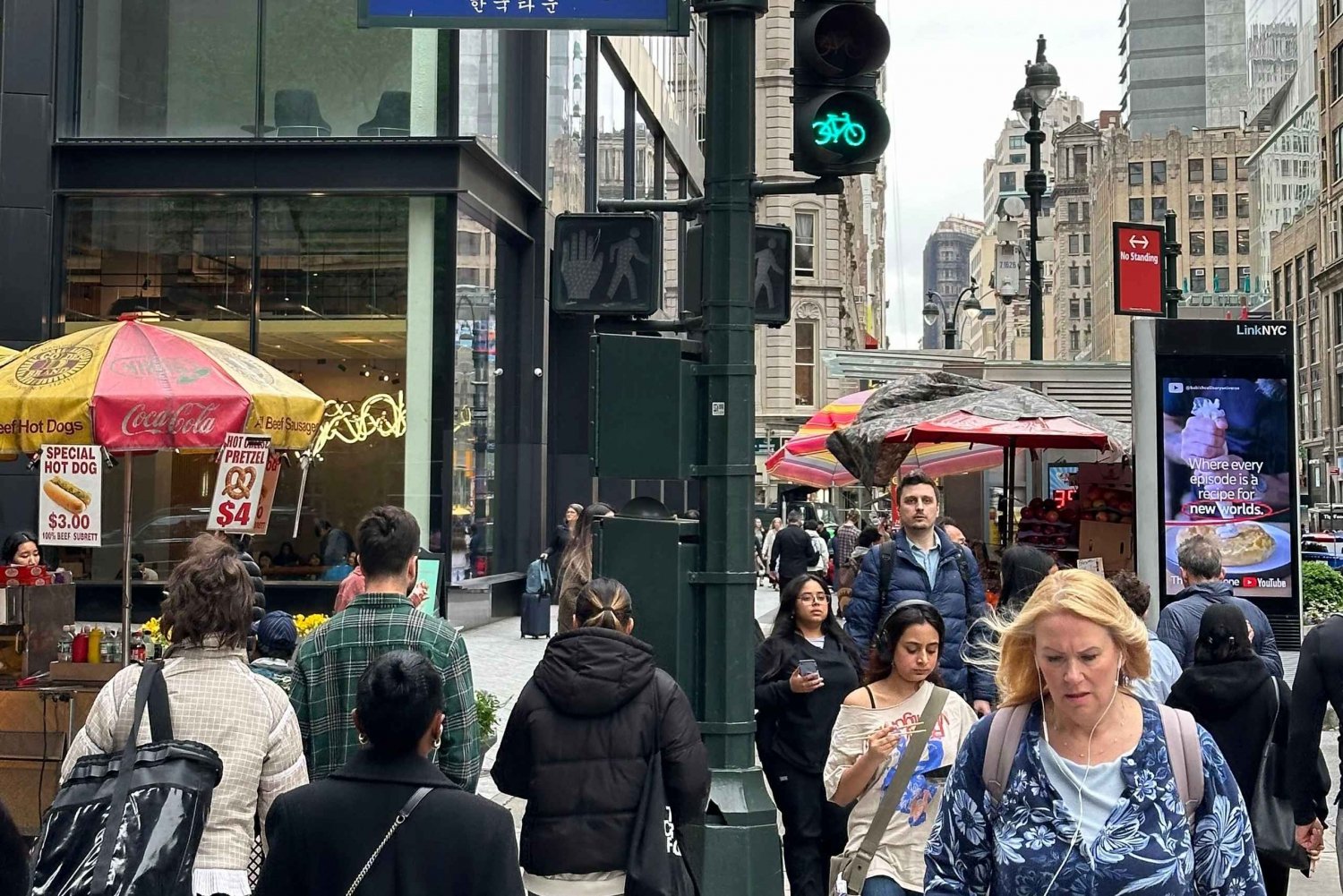
For urban food lovers, the New York City Food and Culture Tour is among the best. Covering neighborhoods like Chinatown, Little Italy, and Greenwich Village, this tour blends culinary exploration with cultural history. Participants sample everything from dumplings to bagels and New York-style pizza.
Its significance comes from showcasing America’s melting pot of cultures. The tour demonstrates how immigration shaped New York’s culinary identity, making it an ideal example of food and history blending seamlessly.
How Food Tours Solve Traveler Problems
One of the common challenges travelers face is finding authentic dining experiences. Many rely on tourist-heavy restaurants, which may not offer genuine flavors. Food tours solve this problem by guiding visitors to hidden gems known mainly to locals.
Another issue is the language barrier. Ordering unfamiliar dishes in foreign countries can be intimidating. Food tours eliminate this challenge by providing expert guides who explain menus and ingredients, ensuring travelers feel confident and safe trying new foods.
Food tours also solve the problem of limited time. Instead of spending days researching and locating the best places to eat, travelers can cover multiple culinary highlights within a few hours. This makes food tours efficient for short trips while still offering deep cultural immersion.
Practical Advantages of Food Tours in Real Life
In real-life scenarios, food tours offer unmatched convenience. Travelers no longer need to plan every meal or worry about dietary restrictions, as many tours accommodate special needs. This makes them accessible to a wide range of participants.
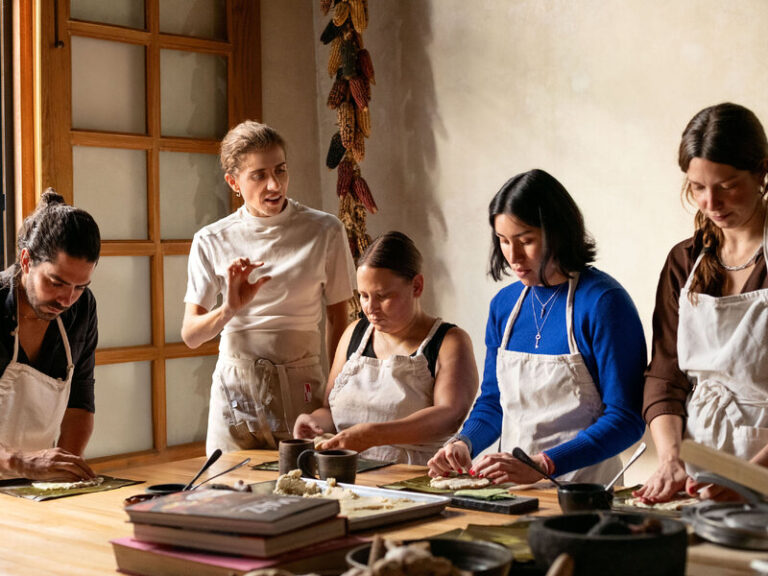
Another practical advantage is the opportunity to learn skills. Many tours include cooking demonstrations, allowing participants to replicate dishes back home. This transforms food tours into educational experiences, providing long-term value beyond the trip itself.
Food tours also serve as memory-makers. Sharing a meal in a local market or vineyard creates lasting impressions. These experiences become highlights of a trip, often remembered more vividly than visits to monuments or attractions.
Frequently Asked Questions
Q1. Are food tours suitable for all ages?
Yes, most food tours are designed to be family-friendly. Some tours may include alcohol tastings, but alternatives are usually provided for younger participants or those who prefer non-alcoholic beverages.
Q2. How long do typical food tours last?
The duration varies, but most tours last between 3 to 5 hours. Some immersive experiences, like vineyard visits or cooking classes, may extend to a full day.
Q3. Can food tours accommodate dietary restrictions?
Yes, many food tours offer vegetarian, vegan, gluten-free, or allergy-friendly options. It is important to inform the organizers in advance so they can tailor the experience accordingly.