Best Aquariums in the World Exploring Marine Life and Ocean Wonders
Aquariums have long fascinated people by offering a window into the mysteries of the ocean. They bring marine ecosystems to life in ways that are both entertaining and educational. The best aquariums around the world are more than just tourist attractions; they are centers of conservation, research, and learning. By showcasing rare species and immersive exhibits, these facilities allow visitors to appreciate the importance of marine preservation.
Whether for families, students, or travelers, aquariums provide an opportunity to explore the beauty of underwater life without stepping into the ocean. They connect us with marine biodiversity and highlight the critical role oceans play in the planet’s health. Understanding which aquariums stand out and why they are significant helps travelers and enthusiasts choose meaningful experiences.
The Importance of Visiting the Best Aquariums
Aquariums serve multiple purposes that go beyond recreation. They are vital institutions that inspire curiosity about marine science while supporting conservation efforts. The best aquariums also play an active role in rehabilitating injured marine animals and protecting endangered species.
For visitors, aquariums are powerful educational spaces. Children, in particular, learn about marine life through hands-on exhibits and interactive programs. Adults gain insights into pressing issues such as climate change, ocean pollution, and overfishing. These experiences encourage a deeper appreciation of the oceans and foster more sustainable attitudes toward the environment.
Real-World Examples of the Best Aquariums
1. Georgia Aquarium, Atlanta, USA
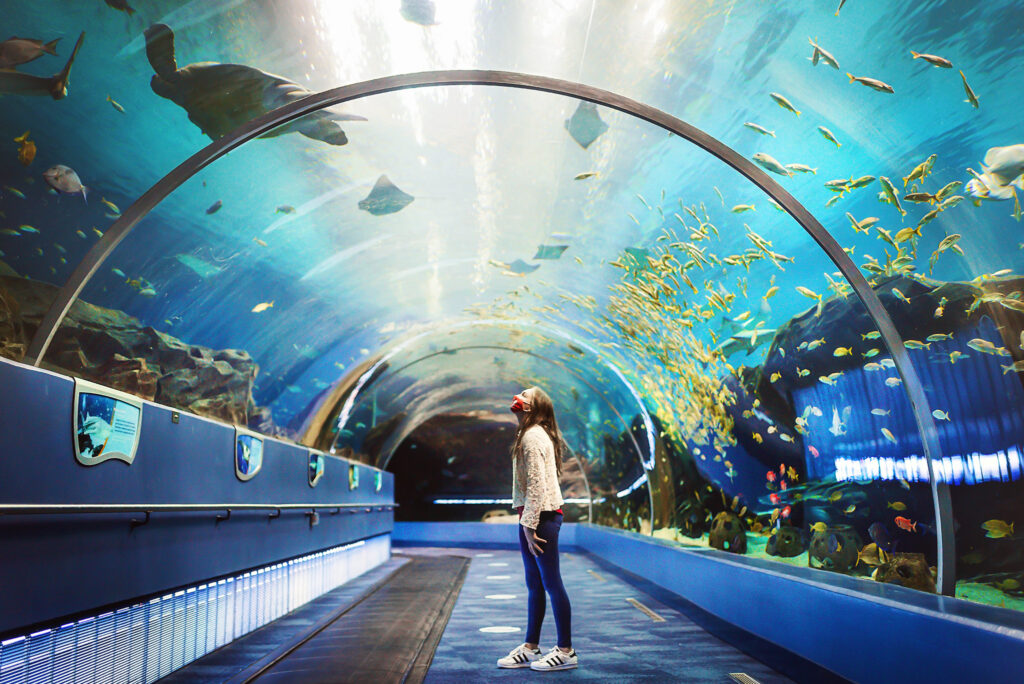
The Georgia Aquarium is one of the largest and most impressive aquariums in the world. It is home to thousands of species, including whale sharks, manta rays, and beluga whales. The facility is designed with massive tanks that replicate natural habitats, allowing visitors to see marine life in near-authentic environments.
One of the most striking features is its Ocean Voyager exhibit, a tank that contains over 6 million gallons of water. Visitors can walk through a tunnel surrounded by ocean giants, creating an awe-inspiring, immersive experience. The Georgia Aquarium also plays a significant role in marine research and conservation, participating in global efforts to protect endangered species.
2. Monterey Bay Aquarium, California, USA
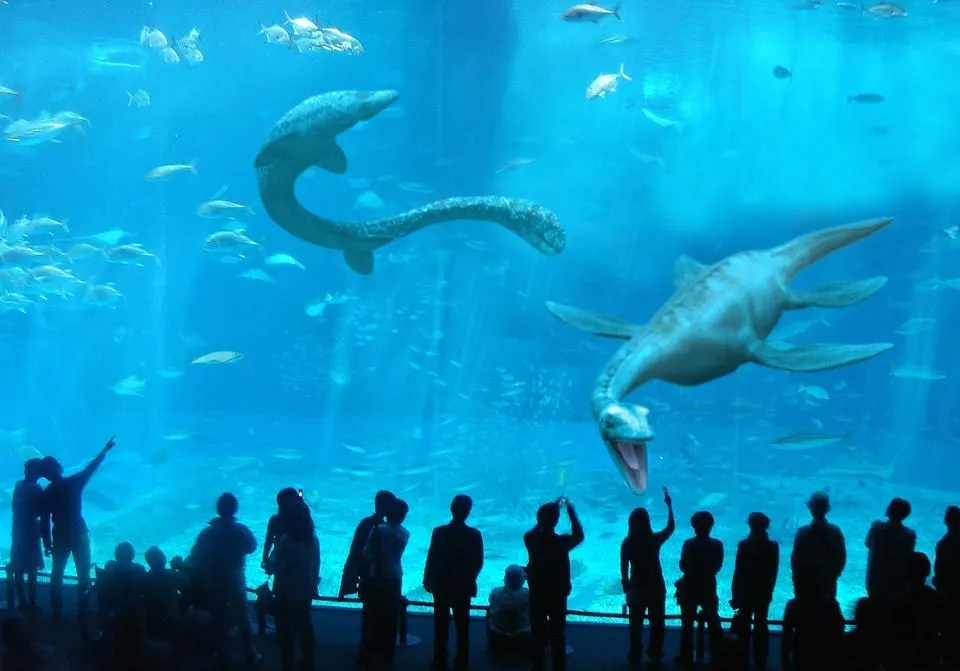
Located on the Pacific coast, Monterey Bay Aquarium is celebrated for its innovative exhibits and dedication to ocean conservation. It showcases the unique marine ecosystems of California, including kelp forests, sea otters, and jellyfish. Its design emphasizes sustainability, blending science and education with engaging displays.
The aquarium has also been a pioneer in marine awareness campaigns. Through partnerships and outreach, it educates millions about ocean conservation. Its exhibits, such as the Open Sea gallery, provide insights into marine ecosystems that are both scientifically accurate and visually captivating. For families and educators, Monterey Bay Aquarium is a benchmark for how aquariums can inspire environmental stewardship.
3. S.E.A. Aquarium, Singapore
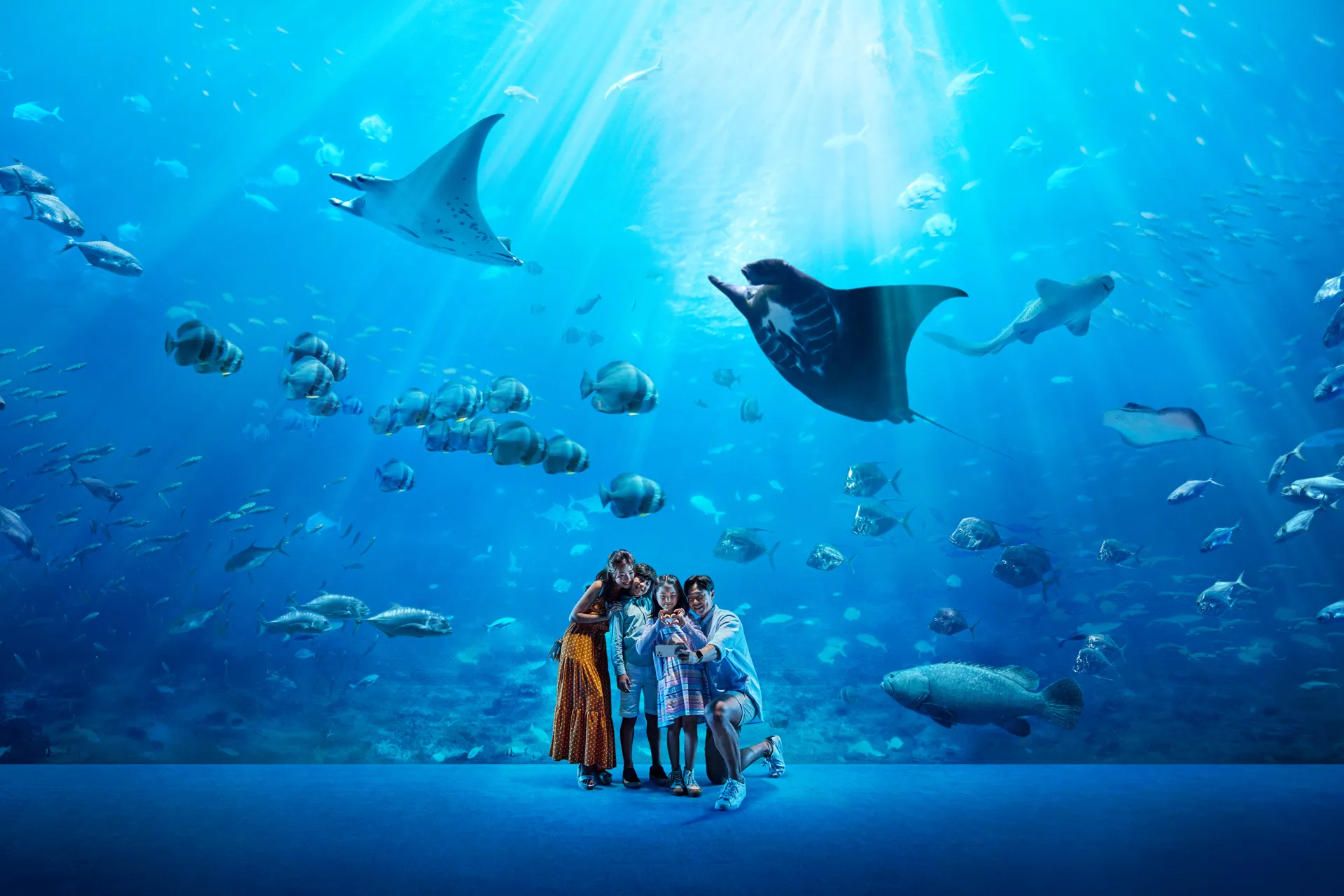
The S.E.A. Aquarium at Resorts World Sentosa is one of Asia’s most spectacular aquariums. It houses over 100,000 marine animals across 50 diverse habitats, making it a global attraction. Its centerpiece is the Open Ocean tank, where visitors can marvel at manta rays, sharks, and countless schools of fish in a single panoramic display.
What makes S.E.A. Aquarium stand out is its ability to combine entertainment with education. Visitors not only enjoy the grandeur of marine life but also learn about ecological balance, conservation challenges, and the importance of sustainable fishing. The aquarium provides experiences for all ages, from interactive touch pools for children to in-depth educational tours for adults.
4. Okinawa Churaumi Aquarium, Japan
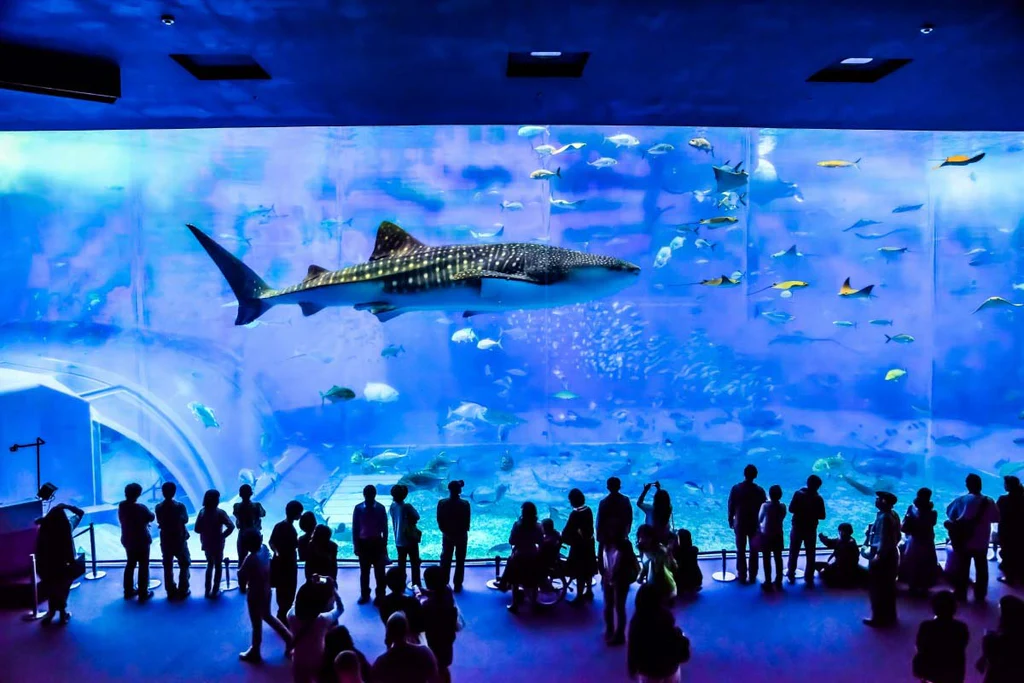
Okinawa Churaumi Aquarium is a world-renowned facility located within Ocean Expo Park in Japan. It is best known for its massive Kuroshio Sea tank, which contains whale sharks and giant manta rays. The aquarium’s design reflects the natural beauty of Okinawa’s marine environment, emphasizing the richness of the Kuroshio Current.
In addition to its large-scale displays, the aquarium also focuses on coral reef ecosystems, offering a closer look at delicate and colorful marine habitats. This emphasis on coral conservation highlights its role not just as an attraction but as a research hub dedicated to marine preservation. Okinawa Churaumi Aquarium combines scientific excellence with a breathtaking visitor experience.
5. Dubai Aquarium and Underwater Zoo, UAE
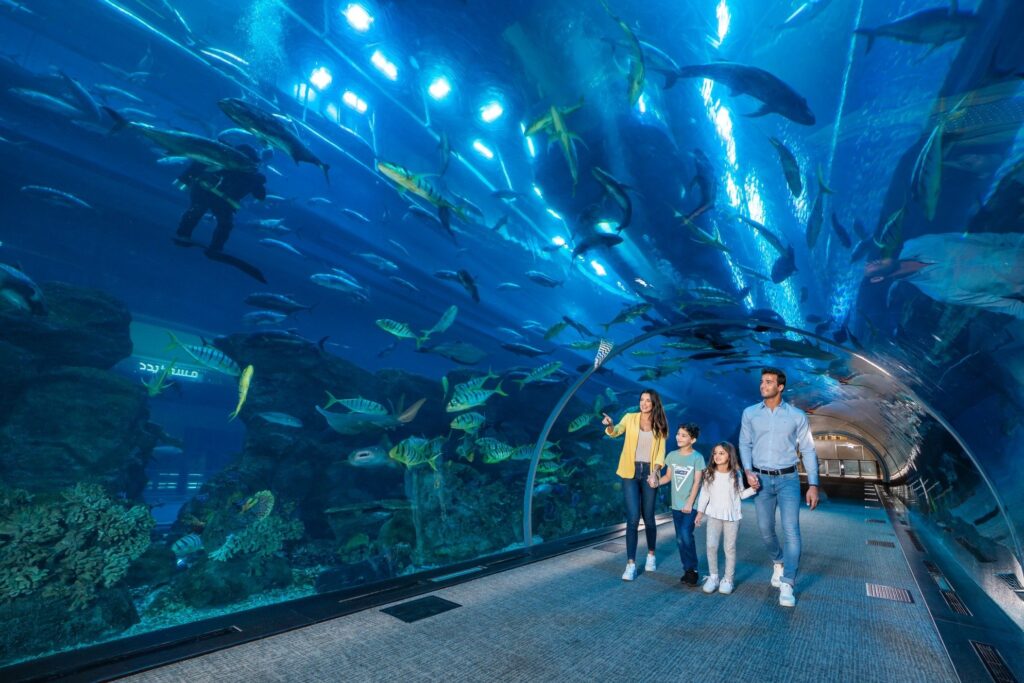
Located inside the Dubai Mall, the Dubai Aquarium is a modern marvel. It features one of the largest suspended aquarium tanks in the world, holding thousands of marine animals, including sharks and rays. Visitors can explore its massive tunnel, walk through glass-bottom platforms, and even participate in cage snorkeling experiences.
The Underwater Zoo adds an extra layer of interaction by showcasing crocodiles, penguins, and other creatures beyond typical marine life. This blend of entertainment and education demonstrates how aquariums can adapt to urban spaces while still promoting marine awareness. Dubai Aquarium exemplifies how technology and innovation enhance the aquarium experience.
Benefits of Technology in the Best Aquariums
Enhancing the Visitor Experience
Technology has transformed aquariums into immersive learning centers. Augmented reality guides, interactive touchscreens, and digital exhibits provide engaging ways to learn about marine life. These features make the experience more interactive for children and more informative for adults.
Improving Conservation and Research
Behind the scenes, technology plays a crucial role in aquarium operations. Advanced water filtration systems ensure the health of marine species, while monitoring devices track environmental conditions in tanks. Technology also supports breeding programs for endangered species, helping to maintain biodiversity.
Expanding Educational Access
Aquariums now use technology to reach global audiences. Live-streamed exhibits, virtual tours, and online educational resources allow people who cannot physically visit to still experience marine wonders. This democratization of access makes aquariums more impactful worldwide.
Use Cases of the Best Aquariums in Real Life
Inspiring Future Generations
For children, visiting aquariums sparks curiosity about science and nature. Many future marine biologists, conservationists, and educators first discovered their passion during a visit to an aquarium.
Promoting Sustainable Practices
Aquariums often lead initiatives on sustainable fishing, plastic reduction, and ocean preservation. Visitors leave with a better understanding of how their daily choices impact marine ecosystems, encouraging more eco-friendly lifestyles.
Supporting Tourism and Local Economies
The best aquariums attract millions of visitors annually, boosting tourism and supporting local businesses. They become iconic landmarks, drawing both domestic and international travelers.
Providing Therapeutic Benefits
Beyond education, aquariums have therapeutic effects. Watching marine life has been shown to reduce stress and improve mental well-being, making aquariums popular destinations for relaxation and family bonding.
Frequently Asked Questions
Q1. What makes an aquarium one of the best in the world?
The best aquariums stand out for their size, diversity of species, innovative exhibits, conservation efforts, and ability to educate and inspire visitors. They go beyond entertainment by contributing to scientific research and marine preservation.
Q2. Are aquariums ethical for marine life?
Many modern aquariums prioritize ethical practices by replicating natural habitats, supporting conservation, and rehabilitating animals. While older models faced criticism, today’s leading aquariums are dedicated to sustainability and animal welfare.
Q3. Can aquariums benefit people who never visit the ocean?
Yes. Aquariums make marine life accessible to people living far from coastal areas. They provide educational insights, immersive experiences, and conservation awareness, allowing everyone to connect with the ocean’s importance.